
Last updated November 15, 2026
 AC repair
 Furnace & heating
 Heat pumps
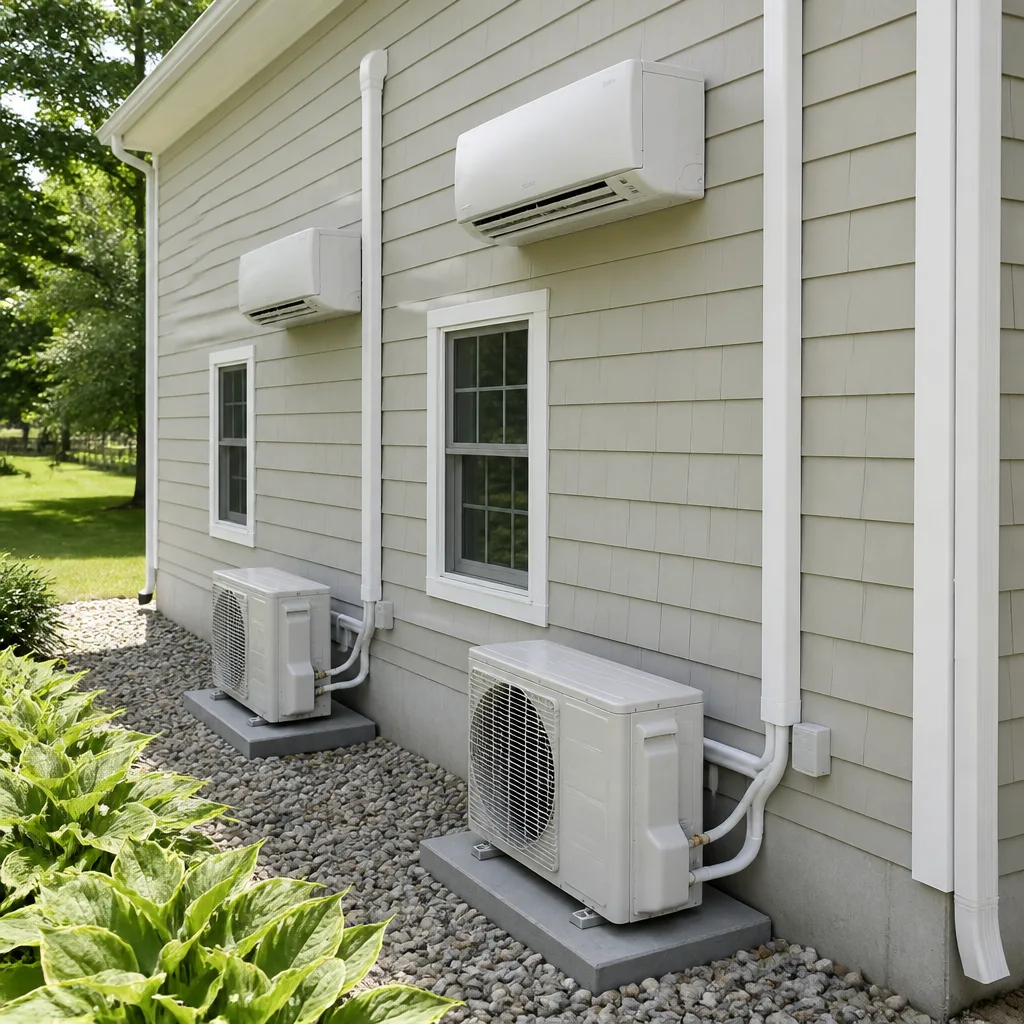 Ductless mini splits
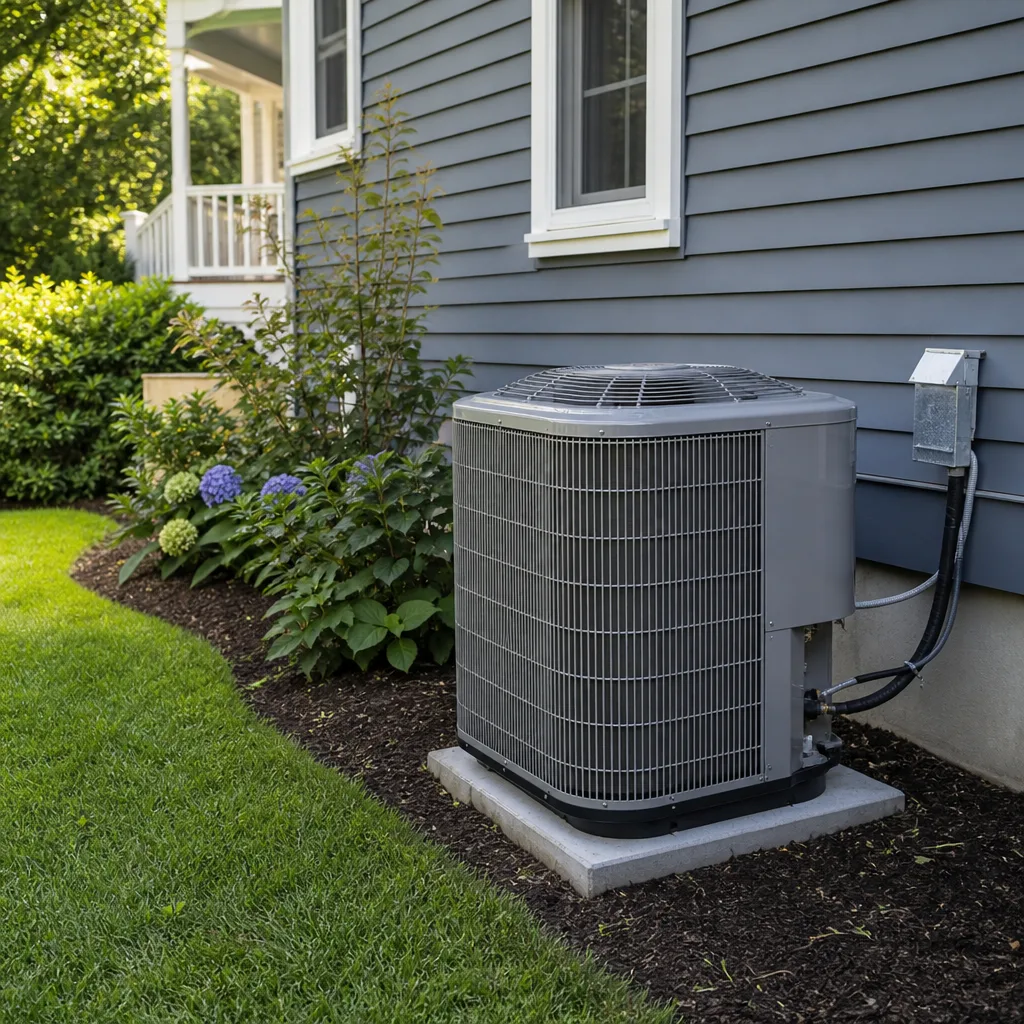 Carrier
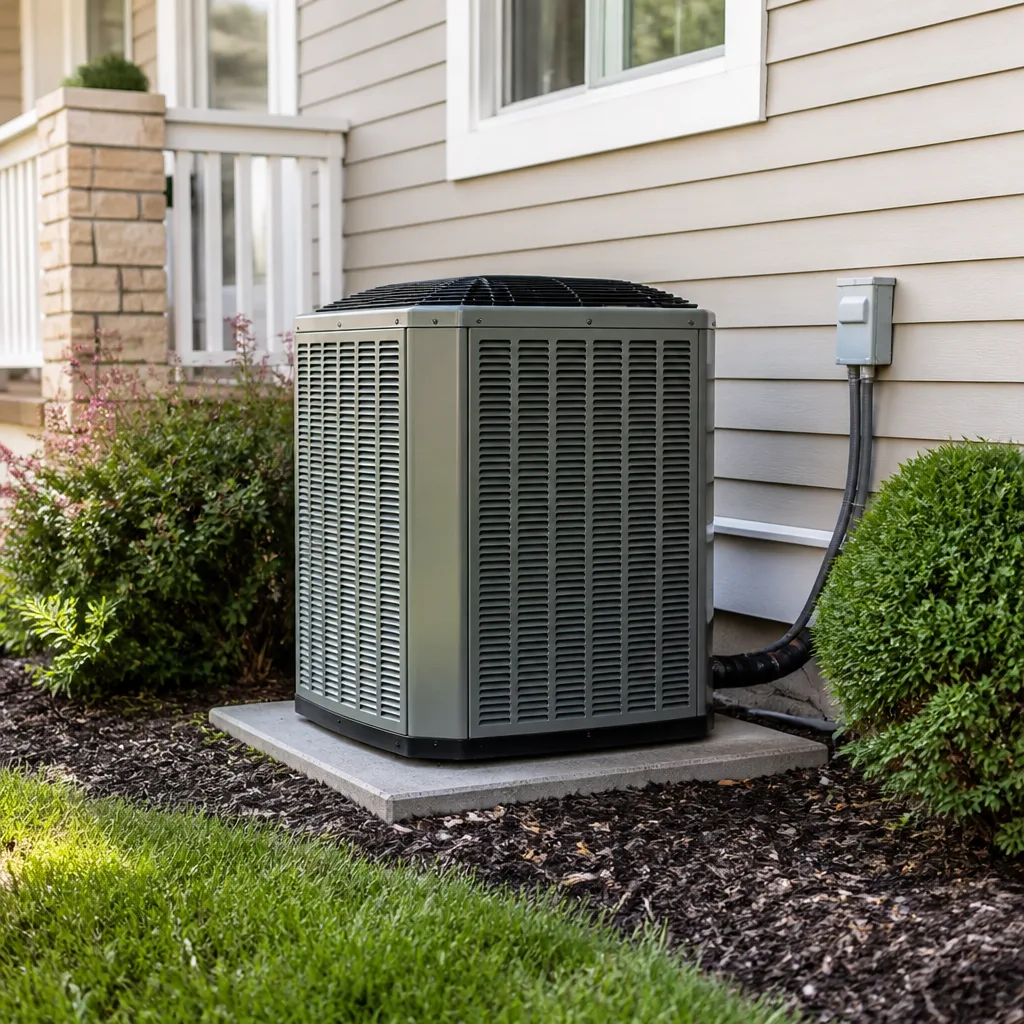 Trane
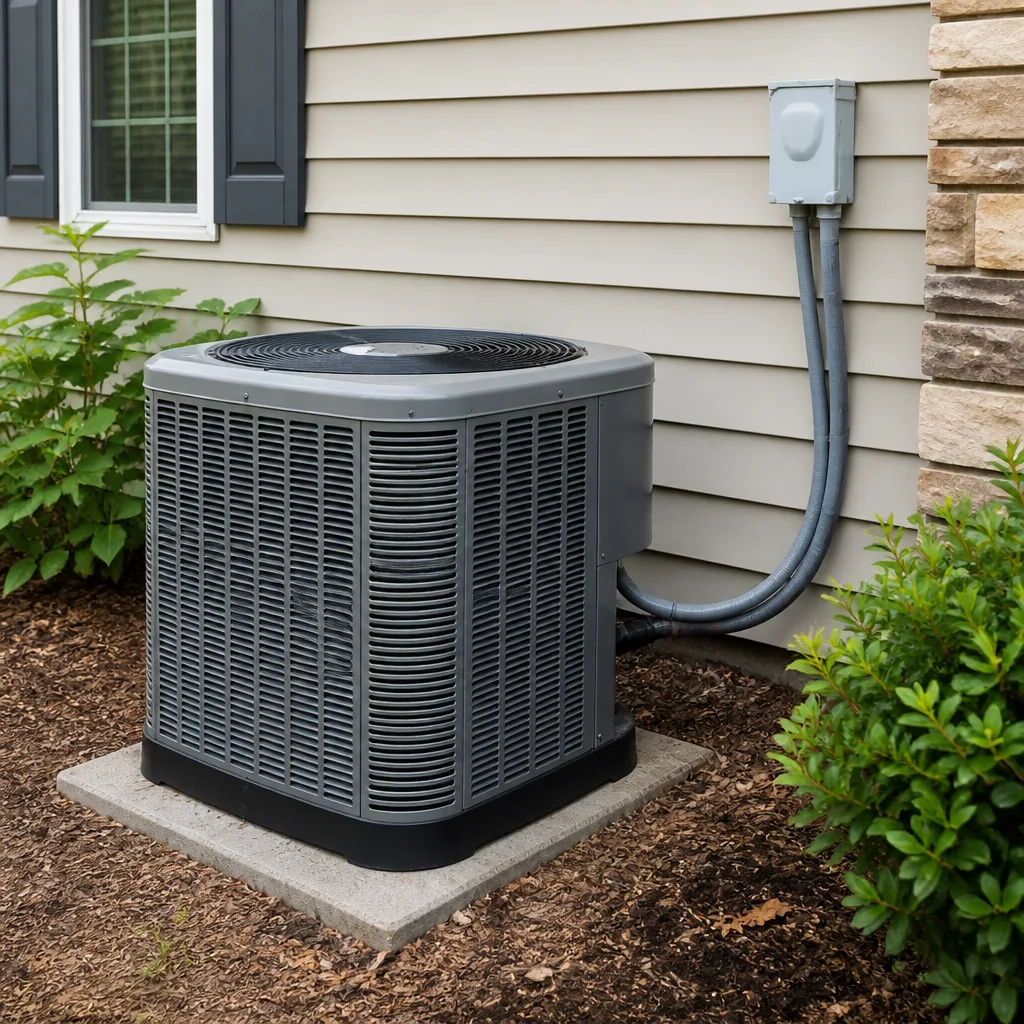 Goodman
Seasonal tune-up and full diagnostic on your Carrier, Trane, or Goodman system - readings shown to you before any repair is proposed
Diagnosis first, numbers second - you approve the repair price before a single part goes in.
Get your free estimateHow to Hire an HVAC Contractor in The Woodlands: A Step-by-Step Guide
Here’s the counterintuitive part: the most expensive mistake The Woodlands homeowners make doesn’t start with a bad contractor. It starts with a good contractor being steered toward the wrong job and saying yes to a replacement when a repair was all that was needed. A brand-exclusive shop, or a sales-driven company with a quota to fill, will always find a reason to sell you a new system. Most homeowners never see the moment that decision gets made. This guide shows you how to see it coming before you sign anything, and how to ask the questions that separate a technician who works on your system from one who is working a sales pitch.
Quick Answer
To hire an HVAC contractor in The Woodlands, verify two things independently: the contractor’s Texas license (TACL) and the technician’s EPA 608 refrigerant certification – both searchable through the TDLR. Ask five questions before anyone touches your system: what’s the diagnostic fee, is it credited toward a repair, can you service my brand, do you pull permits, and what’s the warranty on labor. A multi-brand, repair-first contractor will answer all five without hesitating, and will complete diagnostics before quoting a replacement.
Styles & brands we work with
- AC repair
- Furnace & heating
- Heat pumps
- Ductless mini splits
- Carrier
- Trane
- Goodman
Table of Contents
- What Licenses and Certifications Should You Verify?
- How Do You Spot a Brand-Exclusive Contractor?
- The Five Questions to Ask Before Anyone Touches Your System
- Why Diagnostics Must Come Before Any Replacement Quote
- Red Flags Specific to The Woodlands HVAC Market
- How to Use BBB, Google Reviews, and TDLR Records Together
- What The Woodlands Climate Does to Your HVAC System
- Step-by-Step: How to Actually Hire an HVAC Contractor Here
What Licenses and Certifications Should You Verify?
Two separate credentials matter, and homeowners confuse them all the time. A Texas HVAC contractor license (often called a TACL) is held by the business and covers the legal authority to perform HVAC work in the state. An EPA 608 refrigerant certification is held by the individual technician and covers the federal requirement to handle refrigerants. One does not automatically guarantee the other, and a contractor who can show you a Texas license may still send out a technician without EPA 608. That’s why you verify both, and you verify them separately.
Both checks live on the Texas Department of Licensing and Regulation (TDLR) website. It takes a few minutes and it’s free.
- Look up the contractor’s Texas HVAC license on TDLR. Search by business name and confirm the license is active, not suspended, and hasn’t expired.
- Ask for the name of the technician who will service your system. Then confirm that person holds an active EPA 608 certification. Some contractors publish this; others you’ll need to ask about directly.
- Check TDLR complaint records for the business. A clean record isn’t proof of quality, but a pattern of complaints is a real signal. Look at how the complaints were resolved, not just how many there were.
- Confirm insurance. A legitimate contractor carries both general liability and workers’ compensation coverage. Ask for a certificate, not just a verbal yes.
If a contractor gets defensive about these questions, treat that as your answer. Legitimate technicians expect them. At Wexford AC Repair, we can work with your schedule to confirm credentials before the visit, and our technicians have up to 11 years of experience across nine major brands – but the proof is always in the paperwork, not in what we tell you.
How Do You Spot a Brand-Exclusive Contractor?
A brand-exclusive contractor is a shop that primarily installs and services one manufacturer’s equipment, sometimes with an incentive tied to selling that equipment. A brand-neutral, multi-brand contractor works across whatever the homeowner already owns. The distinction sounds technical. In practice, it determines whether the diagnostic advice you get is objective.
Think about it from the technician’s side. If a shop’s business model centers on, say, Trane replacements, then every repair call carries a subtle pull: replace it, and the business benefits. That doesn’t make the technician dishonest. It makes the business model structurally biased. A brand-neutral shop has no financial reason to declare your Carrier or Lennox system beyond repair if a compressor change or a control board replacement will solve the problem.
Watch for these signals of brand exclusivity:
- The company website shows a single manufacturer’s logo prominently, or states an exclusive partnership.
- You ask whether they service your brand and the answer is “we mostly do [one brand]” instead of a plain yes.
- The diagnostic report focuses on age and efficiency rather than what’s actually failed.
- The first recommendation on a repair call is “upgrade to a new system.”
A multi-brand shop answers “can you service my American Standard?” with an unqualified yes. We’re certified to service nine of the most widely installed residential brands – including American Standard, Carrier, Trane, and Lennox – which means the recommendation is based on your system’s condition, not a preferred vendor relationship. That’s the difference between AC repair as a genuine first call and AC repair as the back page of a sales pitch.
The Five Questions to Ask Before Anyone Touches Your System
Before a technician opens a panel, walks in the door, or puts a tool on your condenser, ask these five questions. The answers tell you almost everything you need to know about whether the contractor intends to diagnose first or sell first.
1. “What is your diagnostic fee, and is it credited toward the repair?” A diagnostic fee is normal. It covers the time and expertise to determine what’s actually wrong. What matters is whether that fee disappears if you authorize the repair, or whether you pay it on top of the work. Ask for the exact number before booking.
2. “Can you service my specific brand and model?” Not “can you service HVAC in general.” Your specific brand. A shop that works across Carrier, Trane, Lennox, Rheem, and the rest will say yes without hesitation. A brand-exclusive shop will often suggest you go elsewhere, then pivot into a sales discussion anyway.
3. “Do you pull permits for the work being done?” Most jurisdictions require a permit for a system replacement, and in many cases for major wiring or refrigerant work. Ask which permits apply, and get it in writing that the contractor will pull them. An unpermitted install can become your problem later during a sale, an inspection, or an insurance claim.
4. “What is the warranty on labor?” Equipment warranties are usually manufacturer-backed and well documented. Labor warranties are contractor-specific. A one-year labor warranty is common. Anything less should be flagged, and anything promised verbally should be written into the estimate.
5. “Will I get an itemized quote with parts, labor, and the diagnosis on it?” An itemized quote is fundamental. If the answer is a lump sum, or “we’ll work it out,” you’re talking to someone setting up a sales conversation, not documenting a repair.
Ask these before you book, not after the technician is in your driveway. The answers change what you do next.
Why Diagnostics Must Come Before Any Replacement Quote
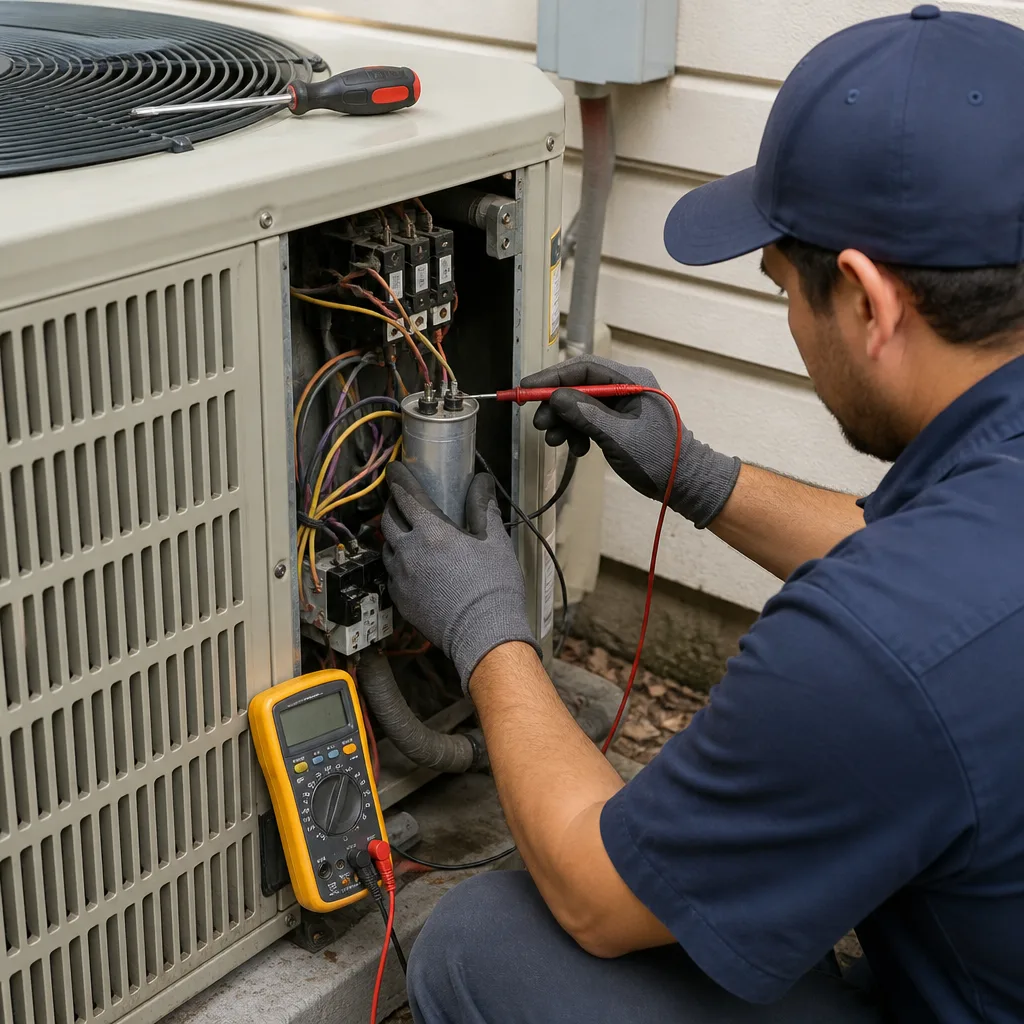
A replacement quote issued without a completed diagnostic is the single most common failure point in HVAC hiring, and it’s invisible to most homeowners. It looks like this: a technician arrives, looks at the system, see its age, asks how often it’s been serviced, and recommends replacement. No refrigerant pressure test. No electrical continuity check. No compressor assessment. No airflow measurement. No capacitor test. Just a number.
That’s a sales visit dressed up as a service call. A legitimate diagnostic tells you exactly what’s failed, what’s still working, and what the realistic repair path looks like before any talk of replacement.
Here’s what a real diagnostic in The Woodlands should involve, at minimum:
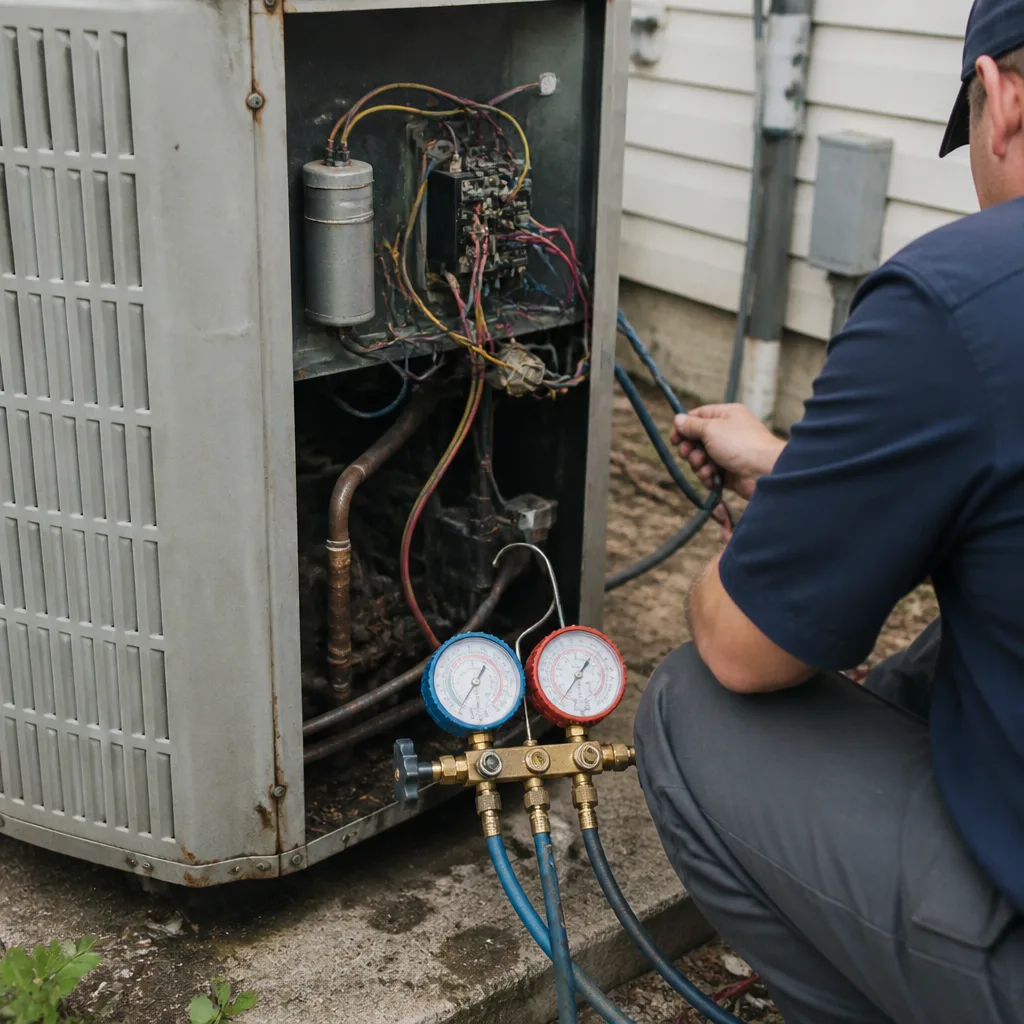
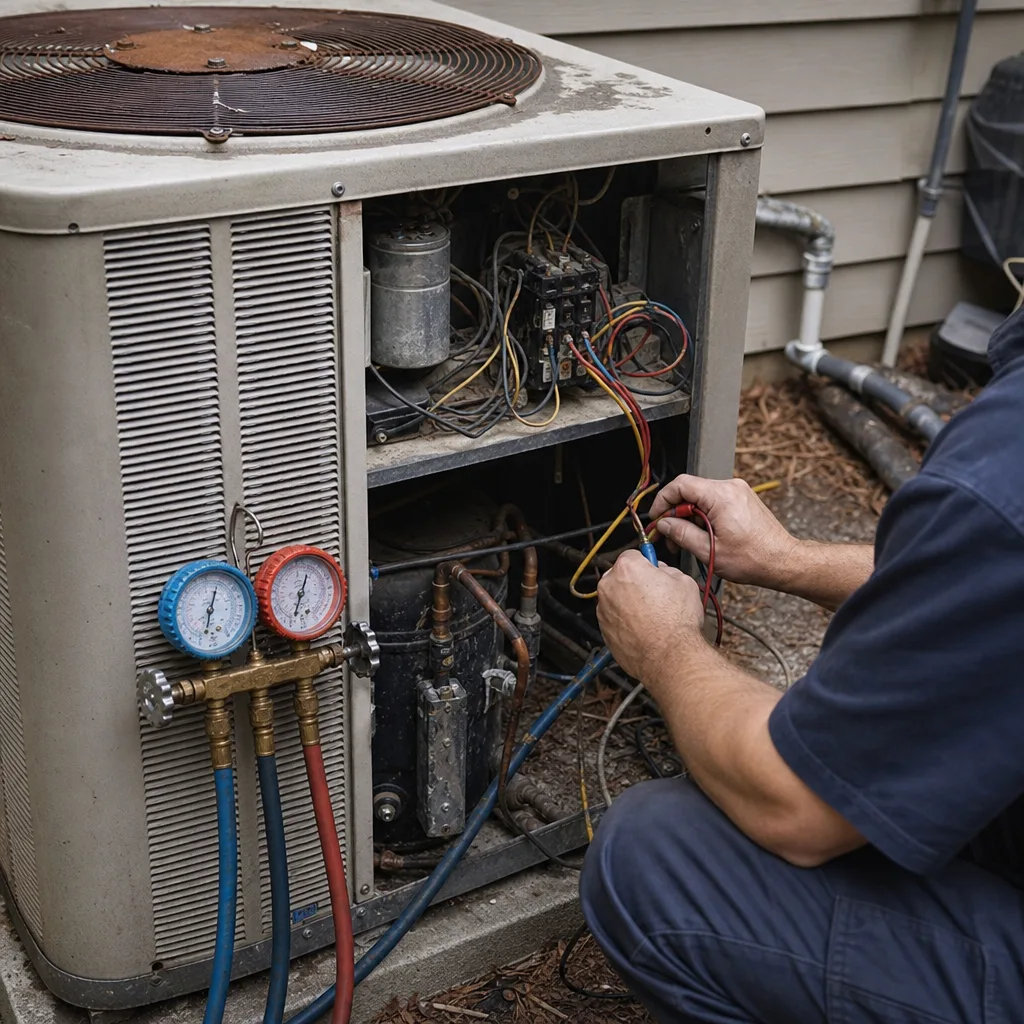
- Refrigerant charge: a pressure test tells you whether the system is low, and whether there’s a leak. A system that’s only low because of a slow leak is a different problem than one that’s low because the compressor is failing.
- Compressor amperage draw: a compressor pulling high amps or failing to start often points to a capacitor, contactor, or start winding – repairs, not a system change.
- Electrical check: contactors, capacitors, control boards, and wiring all wear out and are typically replaceable on their own.
- Airflow: a clogged filter, a blower motor on its way out, or a duct problem can look like “the system’s failing” when it’s a much smaller repair.
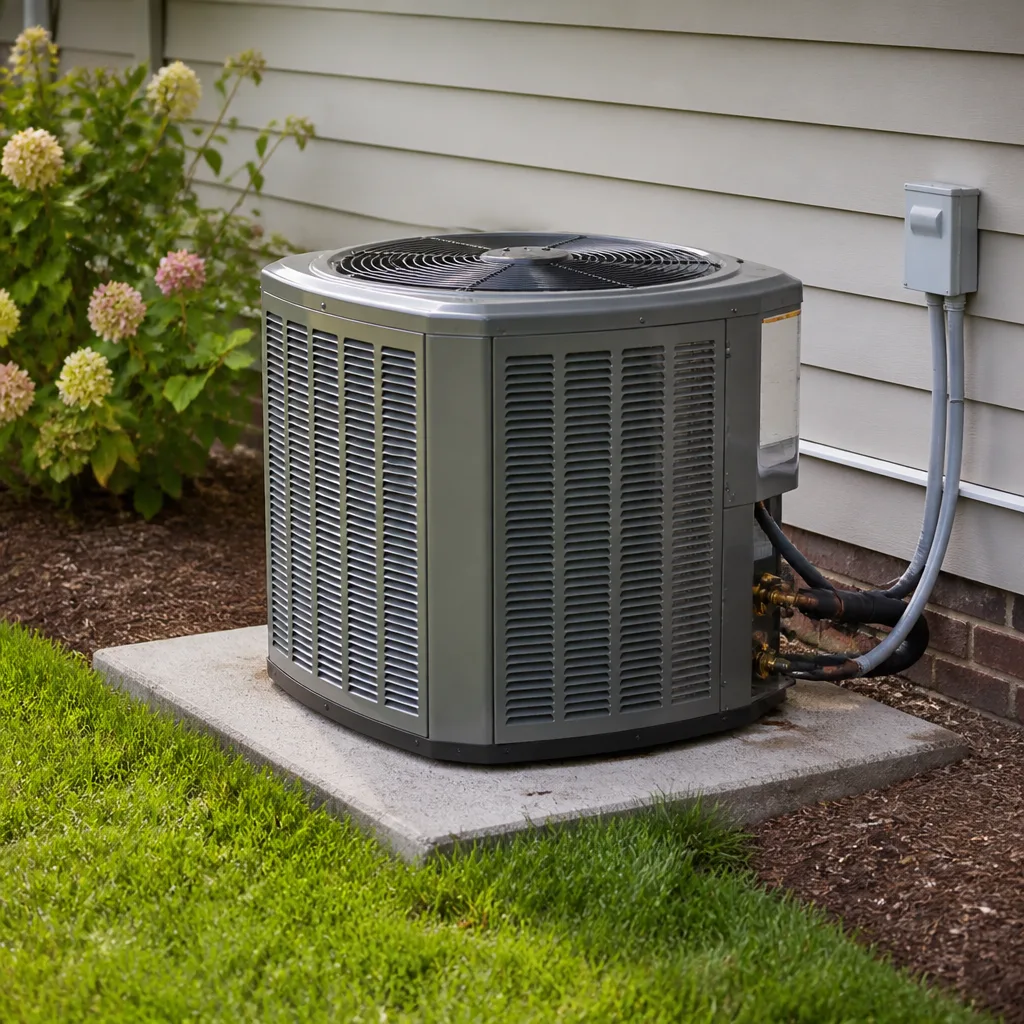
- Condensate drainage: in The Woodlands humidity, a plugged drain line can shut down a system that’s otherwise healthy.
Only after those checks does a repair-versus-replace discussion make sense. Our approach with AC repair starts at diagnosis, and a replacement recommendation only follows when the diagnostic actually justifies it. If your current contractor quoted a replacement without listing what they tested, that’s your signal to get a second diagnostic before you spend money.
Red Flags Specific to The Woodlands HVAC Market
The Woodlands is a competitive HVAC market with a lot of legitimate contractors and a handful of aggressive sales operations dressed up as service companies. The tells are consistent, and they’re worth recognizing before you commit.
Unusually low tune-up specials
A tune-up priced dramatically below the local norm isn’t a tune-up. It’s an appointment where a technician gets inside the home and finds something to sell. Tune-ups have a real cost: time, travel, and a technician’s hour. When the advertised price is far below that cost, the business model is clearly not the advertised service. Expect a recommendation for repairs that weren’t your reason for calling, usually in the first visit.
Refusing to provide an itemized quote
An itemized quote shows parts, labor, and diagnostic on separate lines. A sales operation often refuses to itemize because itemization exposes the markup and makes comparison shopping possible. If a contractor won’t put the price breakdown in writing, they’re not offering you a quote – they’re offering you a decision made under pressure.
Quoting replacement before a diagnostic
This is the biggest red flag in the local market. The order is: diagnostic first, then a repair recommendation or a replacement recommendation, whichever the diagnostic supports. A contractor who skips straight from “let me look at it” to “you need a new system” hasn’t diagnosed anything.
Pressure language on the first visit
Phrases like “this price is only good today” or “we can only hold this slot for another hour” have no place in an HVAC estimate. The equipment is not going anywhere. Take the quote, get a second opinion, and compare.
Manufacturer-driven language
When every recommendation comes back to one brand and one model, the diagnosis probably isn’t driving the conversation. A shop that can work with your Carrier, your American Standard, your Trane, or your Lennox system should never be in a position where the only solution is one manufacturer’s equipment.
How to Use BBB, Google Reviews, and TDLR Records Together
Every review source is imperfect on its own. Google reviews can be gamed and often cluster around installation work rather than repair, so a 4.8-star average might reflect a good sales pitch more than a good repair. BBB ratings reflect complaint-handling patterns but can lag behind current ownership or management. TDLR records show license status and formal complaints but nothing about day-to-day quality. The trick is to use all three together and look for where they disagree.
- Start with TDLR. Confirm the license is active and check for formal complaints. If the record shows a pattern of unresolved complaints around billing or workmanship, that’s a hard stop regardless of reviews.
- Read Google reviews for keywords, not stars. Search the review text for words like “repair,” “diagnosis,” “brand,” “replacement,” and “estimate.” Reviews that talk about a fair repair outcome matter more than reviews that talk about a smooth replacement install. Look at the most recent six months, not the all-time average.
- Check BBB for complaint resolution style. The BBB is less about the rating and more about how a business responds to complaints. A business that engages with complaints and closes them is different from one that ignores them.
- Cross-reference the three. If TDLR has active complaints, Google reviews regularly mention upsell pressure, and BBB shows unresolved disputes, you have a consistent story. If a low BBB rating sits alone with strong TDLR and Google records, it might reflect an isolated event.
- Ask about your specific brand in the reviews. Search for your brand name in the reviews. Mention of Carrier or Trane or American Standard in the context of a successful repair tells you the shop actually works on your equipment.
Combine that review research with a live conversation. When we talk to homeowners in The Woodlands, the review pattern often matches what they experienced on the call – technicians who explain what they found before suggesting what to do about it.
What The Woodlands Climate Does to Your HVAC System
HVAC in The Woodlands runs hard, and the environment explains a lot of what fails. Long cooling seasons mean the system operates through more hours each year than in most of the country, which shortens the service life of capacitors, contactors, and compressors. High humidity means condensate drains work constantly, and when they clog, water damage and shutdowns follow. Pollen seasons are heavy, so filters load up faster than the manufacturer’s “replace every 90 days” recommendation assumes. And the pine and hardwood canopy in much of the area means outdoor condenser coils get covered in debris that reduces efficiency and strains the compressor.
This has real hiring implications. Contractors who know the local climate ask about filter change frequency and outdoor coil cleaning as standard diagnostic questions. They take condensate management seriously, because a poorly pitched drain line under high humidity is a recurring problem, not a one-time fix. They also understand that a system in The Woodlands may hit the end of its useful life earlier than the same system in a milder climate – but “earlier” doesn’t mean “immediately,” and it doesn’t excuse skipping diagnostics.
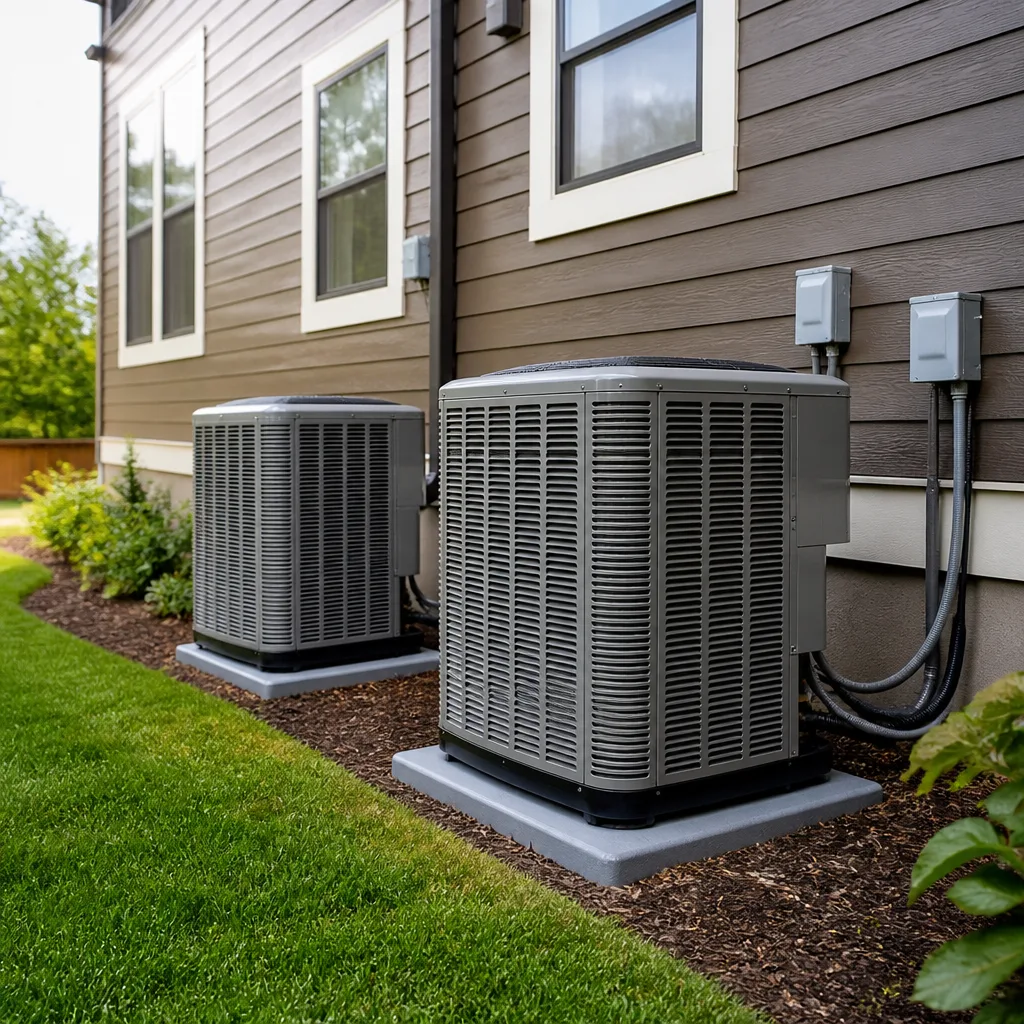
For installation decisions, local sizing matters as much as brand. A system oversized for a Woodlands home short-cycles, which hurts dehumidification and wears out components faster. If a contractor quotes a replacement based on the existing unit’s tonnage without doing a load calculation, that’s a shortcut worth questioning. Our AC installation work includes sizing the system to the home, not just matching whatever came out.
Step-by-Step: How to Actually Hire an HVAC Contractor Here
The whole process, done properly, takes about a week of calendar time and one or two hours of active work. Here’s the order that gives you the most protection.
- Identify the problem clearly before you call. Write down what the system is doing: not cooling, running constantly, short-cycling, making noise, leaking. Specifics get you better diagnostics.
- Shortlist three contractors. Use TDLR to confirm licensing, then cross-reference with Google reviews and BBB. Prioritize multi-brand, repair-first shops over brand-exclusive installers.
- Ask the five questions on each call. Diagnostic fee, whether it’s credited toward a repair, brand capability, permit handling, and labor warranty. Note the answers side by side.
- Book a diagnostic with the contractor whose answers were cleanest. Not the cheapest. Not the largest. The one who answered all five without hesitation.
- Read the diagnostic report carefully. It should list what was tested and what was found. If a replacement is recommended, the report should explain why repair isn’t realistic.
- Ask for an itemized quote on any recommended work. Parts, labor, and any additional diagnostic charges on separate lines.
- Get a second opinion if the recommendation is replacement. A repair-first contractor will not resent it. A sales operation will.
- Confirm permits and warranty in writing before work starts. Any installation or major repair should have the permit obligations and labor warranty clearly stated in the agreed estimate.
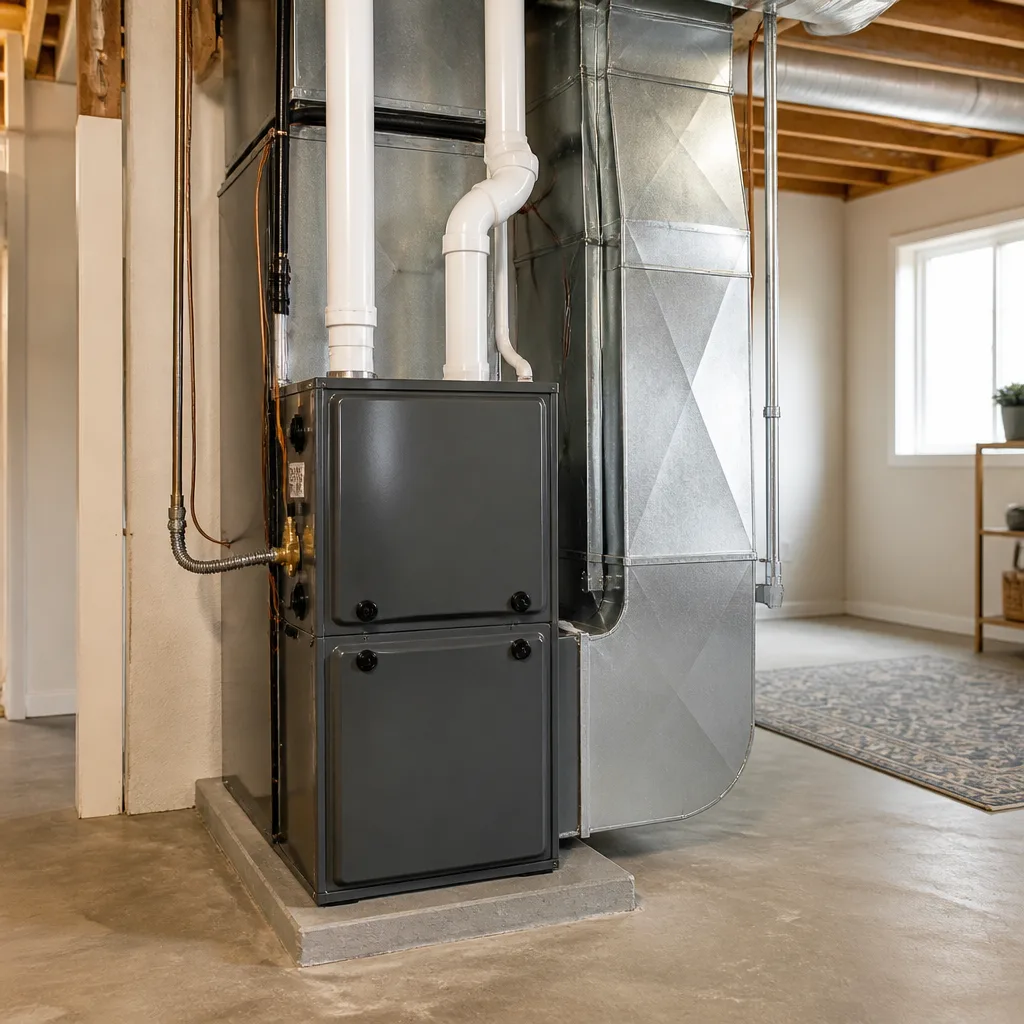
For furnace side decisions during the cooler months, the same logic applies – diagnostics before recommendations, a written itemized quote, and a brand-neutral shop that can work with whatever equipment you have. Cooling or heating, the hiring process is the same.
Common Mistakes to Avoid
- Calling the first result in a paid ad. Paid placement doesn’t indicate quality, and many high-spend operations are selling installs, not repairs. Verify credentials first, then call.
- Choosing on price alone. The cheapest diagnostic often leads to the most expensive repair, because the low price is the entry point for an upsell conversation. Choose on answers to the five questions first.
- Skipping the TDLR search. It’s free, it takes minutes, and it’s the only place to confirm an active Texas HVAC license and see formal complaints. Every The Woodlands homeowner should do it before booking.
- Accepting a replacement quote without a written diagnostic. If no diagnostic was performed, no replacement is justified. Require the report.
- Assuming a multi-brand shop is a premium service. Many multi-brand contractors price in line with the market. The distinction is about objectivity, not cost.
- Never asking about permits. Unpermitted HVAC work can surface unexpectedly during a home sale or insurance inspection. Ask before work starts.
- Ignoring humidity in The Woodlands. A system that cools but doesn’t dehumidify is often a sizing or airflow problem, not a refrigerant problem. Make sure your technician asks about this.
See the difference
 Before
 After
 Before
 After
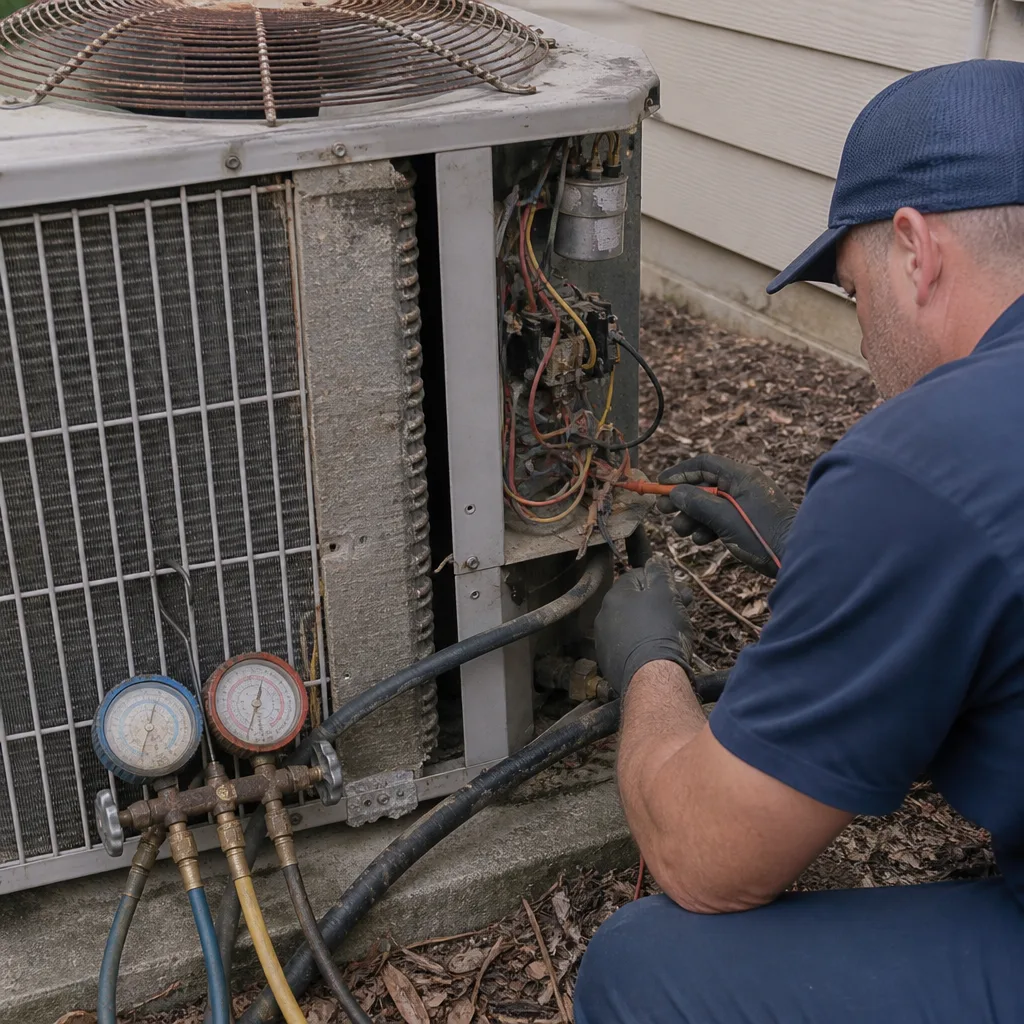 Before
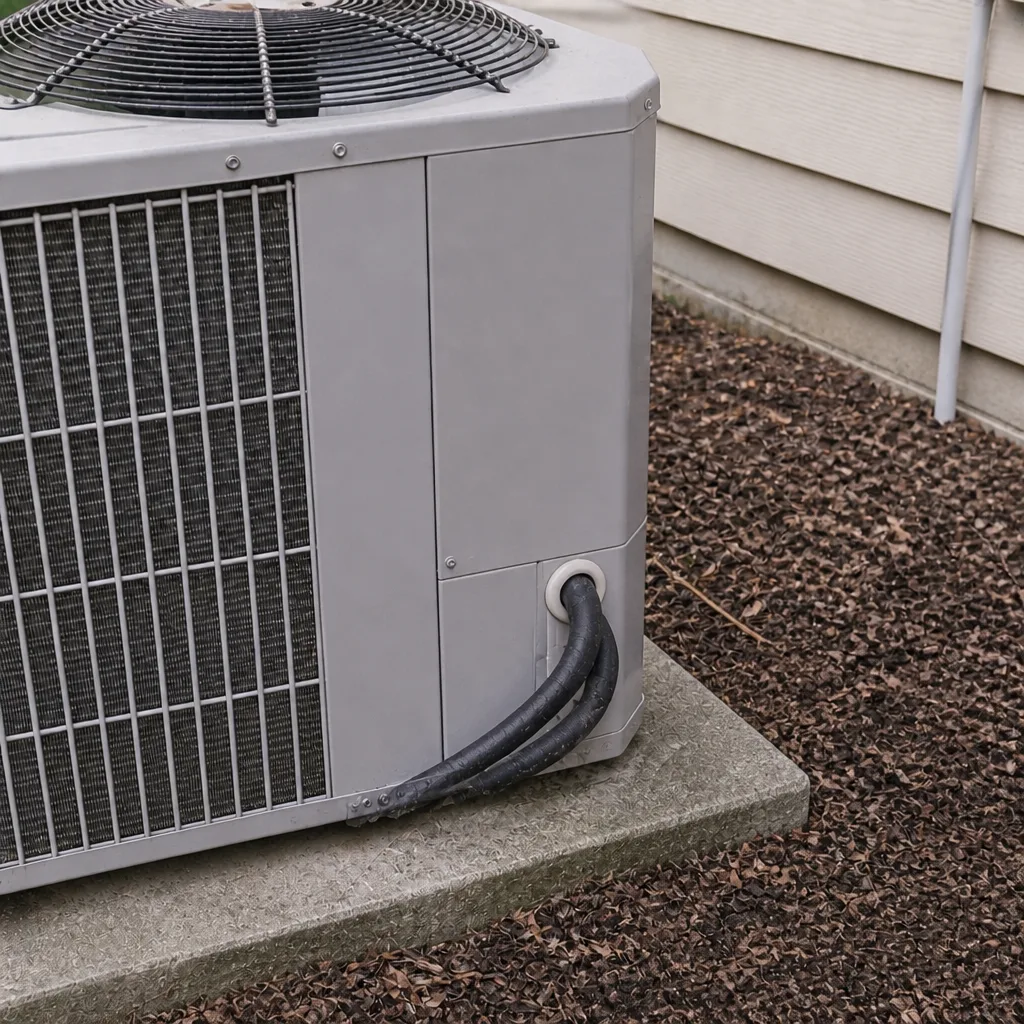 After
When to Call a Professional
Some HVAC symptoms deserve a call right away, not another week of waiting to see if the system settles. Call a professional if the system is blowing warm air during a cooling demand, if the compressor is running but the house isn’t cooling, if you smell burning or a hot plastic odor near the air handler, if the breaker trips when the system starts, if water is pooling near the indoor unit, or if the system is short-cycling repeatedly. Also call if the blower runs continuously with no cooling or heating. These are not tune-up problems, they’re diagnostic calls, and delayed repairs often turn a small fix into a larger one. Do not open the electrical panel on your own: the capacitors and contactors inside hold a dangerous charge even when the power is off. Wexford AC Repair offers free estimates in The Woodlands – call (866) 834-7590.
Frequently Asked Questions
Yes. The Texas HVAC contractor license is held by the business and authorizes the company to perform HVAC work legally in Texas. The EPA 608 certification is held by the individual technician and covers the federal requirement to handle refrigerants. Both are essential, and both are worth checking: the license through the TDLR business search, and the technician’s EPA 608 certification by asking the contractor directly. A company with an active license can still dispatch a technician without the refrigerant certification, so it’s worth confirming. Call (866) 834-7590 for an exact quote – estimates are free.
Ask a direct question: “Do you service my specific brand and model?” A brand-neutral shop answers yes across the nine major brands. A brand-exclusive shop will suggest you call someone else or pivot into a replacement discussion. Also look at their reviews – brand-exclusive shops tend to have reviews that all center on replacement installs, while multi-brand repair-first shops show up in reviews for diagnostic and repair work. Call (866) 834-7590 for an exact quote – estimates are free.
A diagnostic fee covers the time and expertise to identify what’s actually failed, typically including refrigerant checks, electrical tests, airflow measurement, and a written report. Whether it’s credited toward the repair is contractor-specific, so ask before booking. A repair-first contractor often credits it; a sales-driven shop often collects it and moves straight into a replacement pitch. Get the answer in writing. Call (866) 834-7590 for an exact quote – estimates are free.
They can, but they shouldn’t, and it’s the clearest sign you’re talking to a sales operation rather than a diagnostic-first contractor. A replacement recommendation without a completed diagnostic gives you no basis for comparing repair options. If your current contractor quoted replacement before performing a full diagnostic, get a second opinion from a contractor who diagnoses first. Call (866) 834-7590 for an exact quote – estimates are free.
Most jurisdictions require a permit for HVAC system replacement, and many require permits for major electrical or refrigerant modifications on existing systems. Permit requirements vary by the specific work being done, so ask your contractor to state in writing which permits apply and confirm they’ll pull them. An unpermitted install can become your problem during a home sale or insurance inspection. Call (866) 834-7590 for an exact quote – estimates are free.
A one-year labor warranty is common, though some contractors offer longer on installations. Equipment warranties are typically manufacturer-backed and separately documented. What matters most is confirming the labor warranty in writing inside the estimate, not verbally. If a contractor won’t specify a labor warranty term on paper, treat that as a red flag and keep comparing. Call (866) 834-7590 for an exact quote – estimates are free.
The Bottom Line
Hiring an HVAC contractor in The Woodlands comes down to verification and question-asking. Verify the Texas license and the EPA 608 certification independently through the TDLR. Ask the five questions before anyone touches your system. Insist on a completed diagnostic before any replacement recommendation, in writing. Watch for the local red flags: unusually low tune-up prices, refused itemized quotes, and replacement pitches that arrive before any testing has happened. Cross-reference Google reviews, BBB complaints, and TDLR records instead of trusting any one source. A multi-brand, repair-first contractor answers every question cleanly because there’s no incentive to dodge them. That’s the filter that protects your money and keeps your existing system working the way it should.
If you’re ready for a straight answer on what’s actually wrong with your system, Wexford AC Repair works on your system, not against it. We’re certified to service nine major brands – including Carrier, Trane, Lennox, and American Standard – with technicians who have up to 11 years of experience. Cooling or heating, we handle both. Call (866) 834-7590 for a free estimate. We answer 24/7. Fast dispatch from 7am to 7pm, Sunday through Friday, closed Saturday.
Written by the team at Wexford AC Repair.