
Last updated November 15, 2026
 AC repair
 Furnace & heating
 Heat pumps
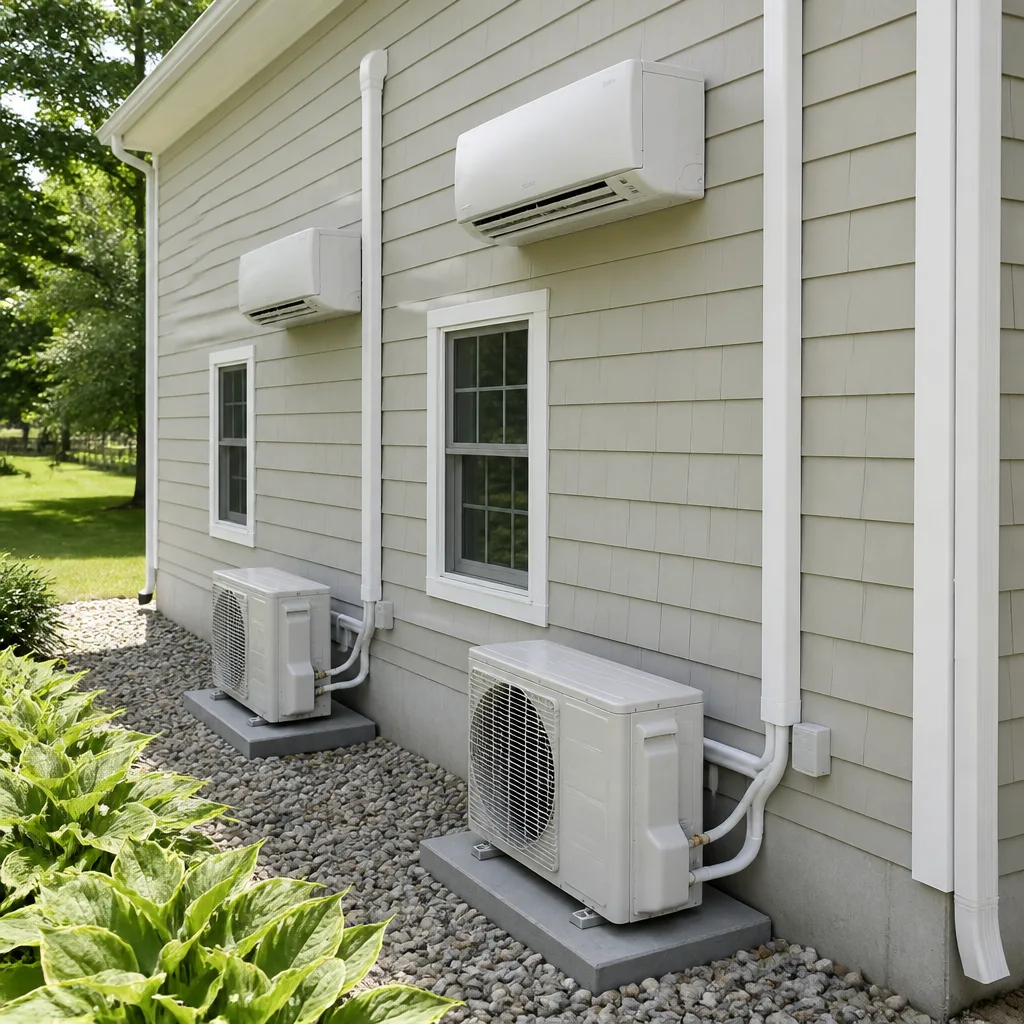 Ductless mini splits
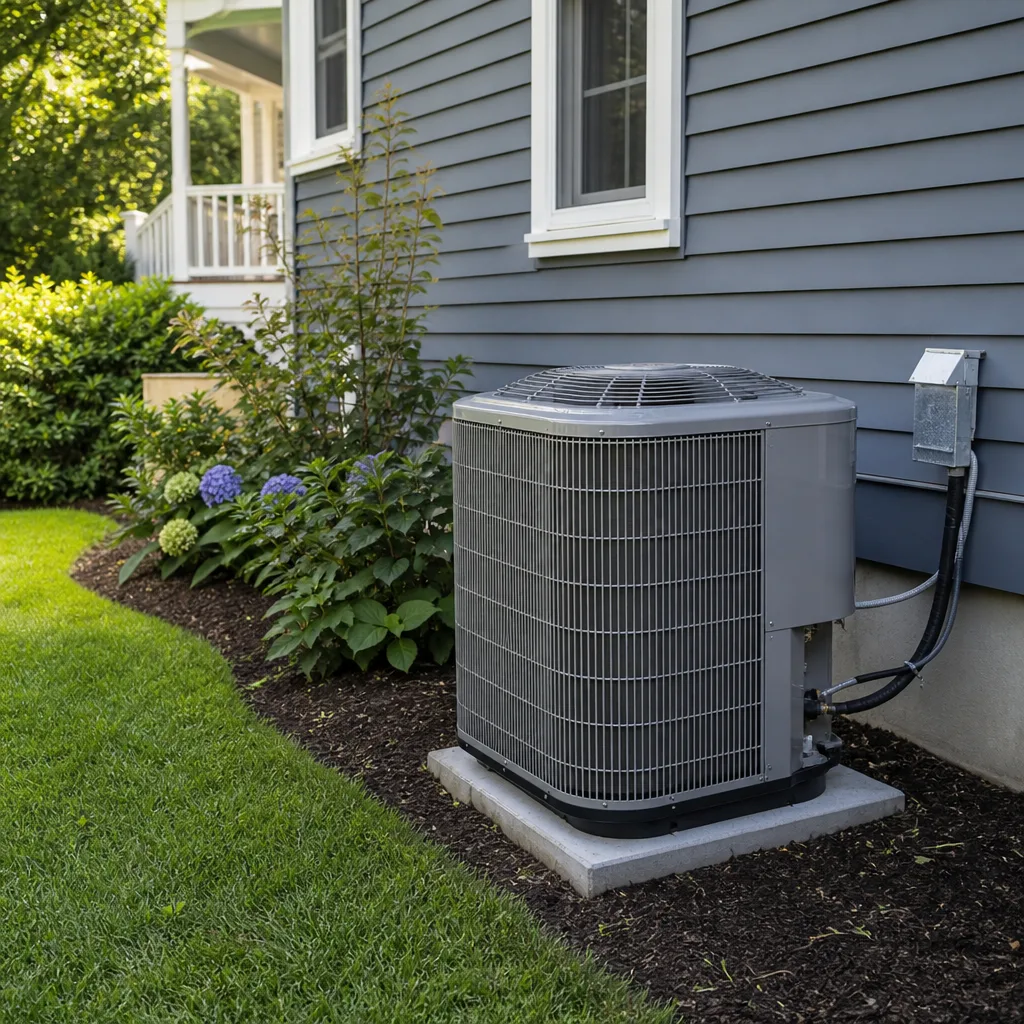 Carrier
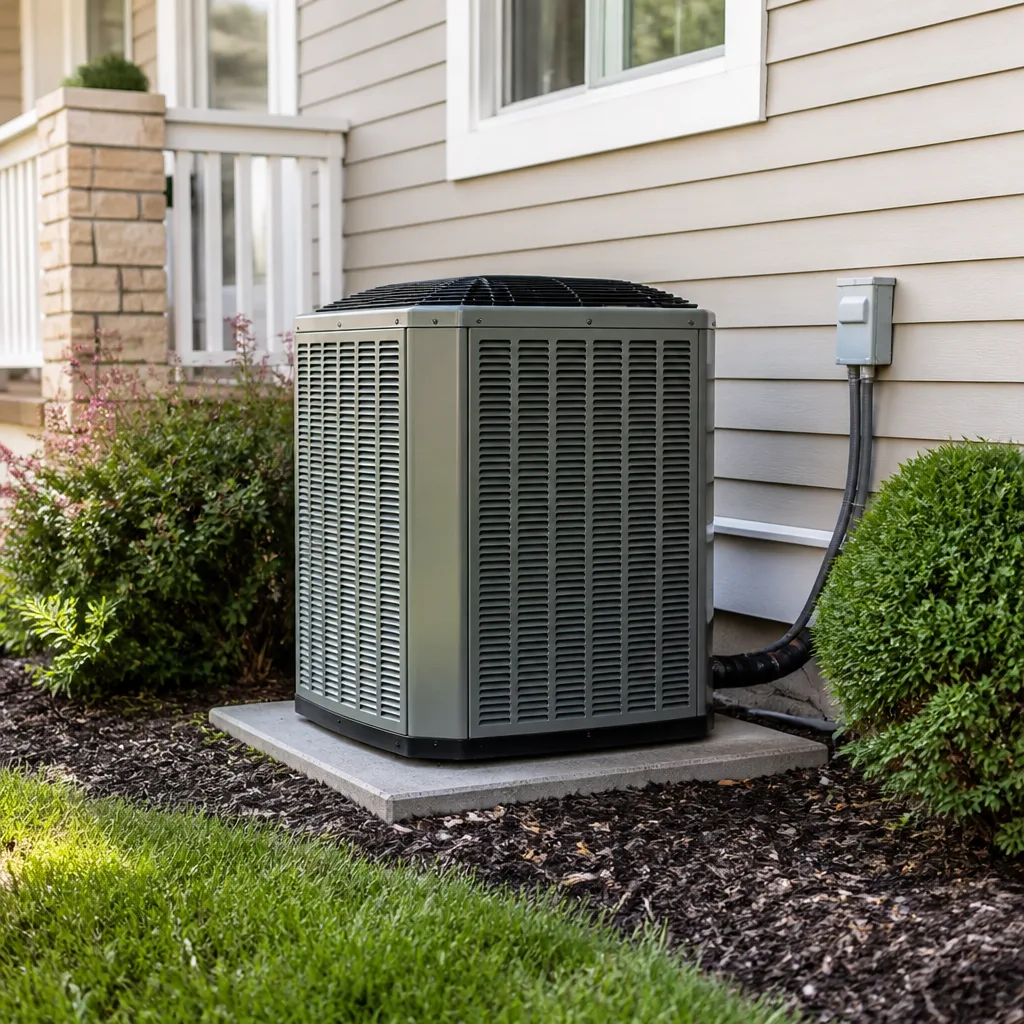 Trane
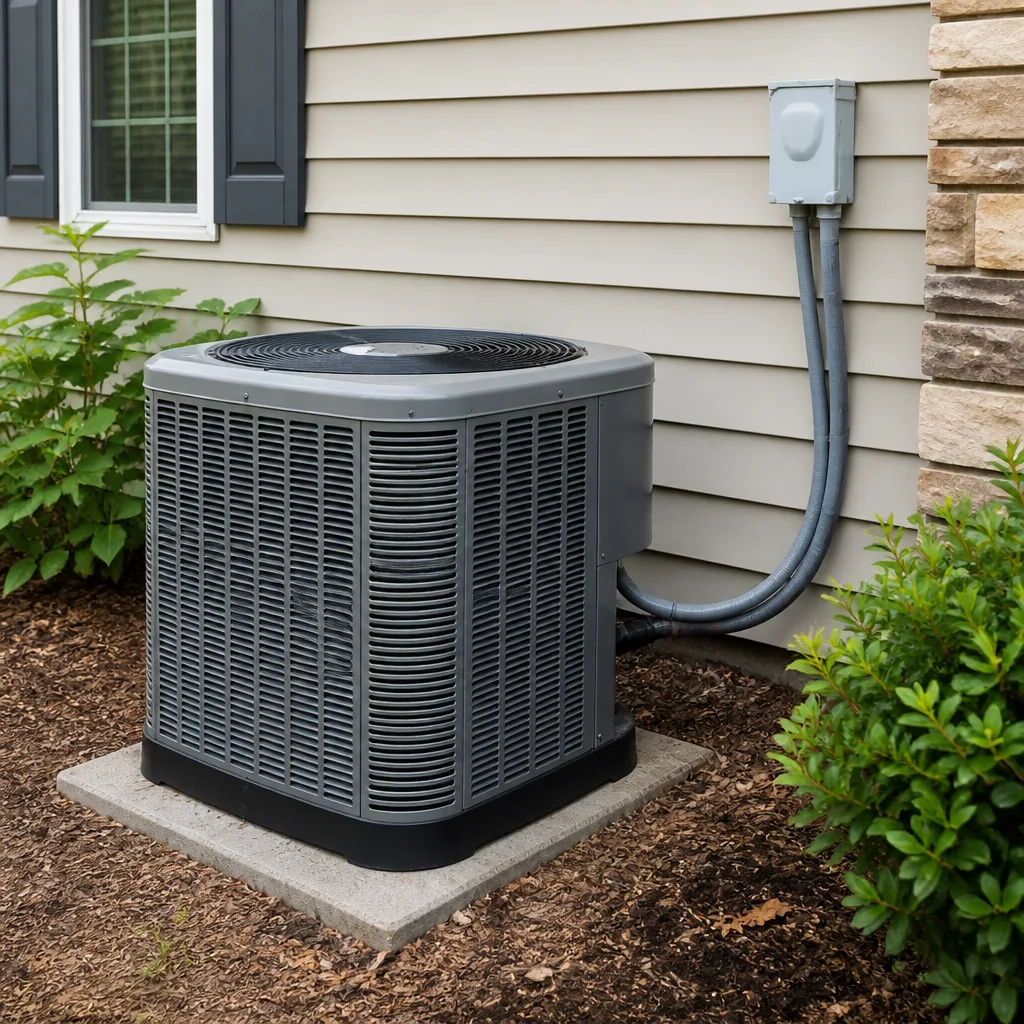 Goodman
Seasonal tune-up and full diagnostic on your Carrier, Trane, or Goodman system - readings shown to you before any repair is proposed
Diagnosis first, numbers second - you approve the repair price before a single part goes in.
Get your free estimateThe Complete AC Repair Guide for The Woodlands Homeowners
Most AC guides are written for a homeowner in a place with four seasons and a three-month cooling load. That’s not The Woodlands. Here, the system runs through a long, humid cooling season and often well into the year, and that changes everything: which parts fail first, how failures announce themselves, and how you should think about repair versus replacement. A unit that lasts fifteen years up north may be near the end of its practical life here at ten. What follows is what we’ve learned working on the equipment The Woodlands homeowners actually own, so you can read a diagnosis, judge a quote, and decide with confidence.
Quick Answer
AC repair in The Woodlands usually comes down to a handful of failure points – capacitors, contactors, blower motors, refrigerant charge, and dirty coils – and these fail faster here than national averages suggest because the system runs almost year-round in high heat and humidity. A good repair starts with a real diagnosis: pressures, electrical readings, airflow, and coil condition, not a guess. Fixing the actual fault is almost always cheaper than replacing a system that still has life left in it.
Styles & brands we work with
- AC repair
- Furnace & heating
- Heat pumps
- Ductless mini splits
- Carrier
- Trane
- Goodman
Table of Contents
- Why Continuous Runtime Breaks Parts Faster in The Woodlands
- How The Woodlands Humidity Changes What You See
- What Homeowners Misread as a Refrigerant Leak
- Repair or Replace? A Framework for Systems That Run Ten Months a Year
- Common Brands in The Woodlands and Their Failure Points at 8-12 Years
- How to Vet an AC Repair Quote
- What AC Repair Typically Costs
- What Actually Prevents Breakdowns Here
Why Continuous Runtime Breaks Parts Faster in The Woodlands
An air conditioner is a machine with a duty cycle. In a mild climate it rests for much of the year. In The Woodlands it doesn’t. When a system runs for most of the calendar instead of a few summer months, every component accumulates operating hours at a much higher rate – and the parts that carry electrical load wear out first.
The three that fail most often in The Woodlands, in our experience:
- Run and start capacitors. These store and release the jolt that gets the compressor and fan motors turning. Heat is their enemy, and a capacitor sitting in an attic or outdoor cabinet through a long hot season degrades steadily. A weak capacitor is one of the most common reasons an AC blows warm air on a hot afternoon.
- Contactors. The contactor is the switch that closes to send power to the compressor and condenser fan. Every start and stop pits and carbon-fouls the contacts a little. More cycles and more hours mean more wear, and a pitted contactor can cause intermittent no-cool calls that seem to fix themselves.
- Blower motors. The indoor blower runs whenever the system calls for air, which here is most of the year. Bearings dry out, windings heat-soak, and airflow drops gradually – so the house feels “less cold” without anything obviously failing.
What this means for you: a system in The Woodlands hits the wear milestones of an older unit sooner than its age in years would suggest. A ten-year-old condenser here may have logged the running hours of a fifteen-year-old unit in a cooler climate. When a technician talks about condition rather than just age, that’s why. Our technicians have up to 11 years of experience reading exactly this pattern – a part that looks fine on a spec sheet but is cooked by continuous runtime.
How The Woodlands Humidity Changes What You See
Humidity does two things to an AC system: it loads the indoor coil with condensation, and it makes every airflow and charge problem look worse than it is. Here’s what that means in plain terms.
An air conditioner removes heat and moisture at the same time. The evaporator coil runs cold and wet for much of the season, and that wet coil is a magnet for dust and biological growth. A coil that’s partly blocked transfers less heat, the system runs longer to hit the thermostat, and the house feels clammy even when the temperature reads correct. Homeowners often describe this as “the AC isn’t keeping up” and assume the refrigerant is low. Sometimes it is. Often it’s a dirty coil and restricted airflow.
The same humidity affects the outdoor side. High outdoor humidity raises the load on the condenser, and a condenser coil matted with dust, pollen, and grass clippings can’t reject heat efficiently. In The Woodlands, where landscaping and irrigation keep the air thick and the yard green, outdoor coils foul faster than in dry climates.
What to watch for that points to humidity and airflow rather than charge:
- The house cools but stays sticky, especially in the afternoon.
- Rooms farthest from the air handler never quite catch up.
- The system runs long, short-cycles on pressure, or both.
- You see frost or heavy condensation on the indoor coil or refrigerant lines while the blower struggles.
Those symptoms deserve a full diagnosis: airflow measured, coil condition checked, charge verified. Skipping straight to “add refrigerant” treats a symptom and can mask a coil or blower problem.
What Homeowners Misread as a Refrigerant Leak
Low refrigerant is real, but it’s also the most over-diagnosed problem we hear about. A homeowner notices weak cooling, calls a company, and is told the system is “low on Freon.” Sometimes that’s accurate. Often the real culprit is one of these:
- A failing capacitor or contactor that’s not letting the compressor or fan start reliably. The unit may run intermittently, cool poorly, and cycle on overload protection – which reads to a homeowner as “the refrigerant is low.”
- Restricted airflow from a clogged filter, a fouled evaporator coil, or a blower motor that’s slowing down. Low airflow makes the coil too cold and the house too warm, and pressures read oddly on gauges if airflow isn’t checked first.
- A dirty condenser coil outdoors that can’t shed heat, so the system runs long and cools less.
- A thermostat, control board, or wiring fault that’s causing short cycling or a fan that runs without the compressor.
A genuine refrigerant leak leaves evidence: oil residue at a fitting, a pressure reading that stays low after a proper charge and holds, or a documented drop over time. If a technician adds refrigerant without finding and fixing the leak, you’re paying to top up a system that will leak again. On a sealed system that’s working correctly, charge doesn’t “wear out.” It either holds or it leaks. Any diagnosis that stops at “low refrigerant” without a leak search is worth a second opinion.
Repair or Replace? A Framework for Systems That Run Ten Months a Year
National repair-versus-replace advice assumes a short cooling season, so it tends to overestimate how much life is left in a system here. In The Woodlands, a unit that runs nearly year-round accumulates wear faster, so the math tilts toward replacement sooner. Here’s how to think about it.
Start with these questions:
- How many major components have failed, and how close together? One failed capacitor on an otherwise healthy system is a repair. A failed compressor plus a leak plus a blower motor within a couple of seasons is a pattern, not bad luck.
- Is the system still on the original refrigerant type, and is that type still available and affordable? Older systems using phased-down refrigerants can be expensive to recharge and hard to source parts for.
- Is the repair cost a large fraction of a new system’s cost, on a unit already past its practical life? If a repair or two would cost a big share of replacement on an aging unit, replacement starts to make sense.
- Are you chasing comfort problems, not just breakdowns? A system that runs constantly, struggles with humidity, and never quite keeps up may be the wrong size or poorly installed – and no part swap fixes that.
A repair-first approach is still the right default. We work on your system, not against it, and we’ll tell you when a repair will genuinely restore it versus when you’re throwing money at a machine that’s reached the end of its useful life here. The honest answer depends on condition, not a sales target. If replacement is the right call, that’s a separate decision with its own planning – a written fixed price and a set install date, not an impulse buy on a hot afternoon. For the replacement path, see our AC installation guide.
Common Brands in The Woodlands and Their Failure Points at 8-12 Years
The Woodlands has a lot of mid-range to premium equipment, and certain brands show up again and again. What matters isn’t which badge is on the cabinet – it’s knowing where each design tends to wear, so a technician isn’t guessing at unfamiliar equipment. We’re certified to service nine major residential brands, and being brand-neutral means the recommendation follows your system’s condition, not a preferred vendor relationship. A few we see often in The Woodlands subdivisions:
- Lennox. Solid equipment, but some of their designs route condensate and place controls where heat and moisture stress them. At the 8-12 year mark, watch control board faults, condensate drainage issues, and coil cleanliness on the indoor side.
- Goodman. Common in value-focused installs and new construction. Cap and contactor failures are frequent in continuous runtime, and coil leaks show up on some vintages. Parts are widely available, which keeps repairs practical.
- Rheem and York. Both are well represented here. Rheem systems we see tend toward blower and board issues as they age; York units show contactor and capacitor wear, plus outdoor fan motor failures after long seasons. Neither is unusual to repair.
- Trane and Carrier. Premium equipment that holds up well, but the indoor coil and drain pan are where we find trouble at this age in The Woodlands – a wet coil in a humid house is the weak point regardless of brand.
The point isn’t that one brand is doomed. It’s that each has known wear patterns after 8-12 years of near-constant runtime, and a technician who knows the model can go straight to the likely cause instead of replacing parts by trial. If you’re not sure what you have, the nameplate on the outdoor unit tells you the brand and model – read it before you call.
How to Vet an AC Repair Quote
A quote is only as good as the diagnosis behind it. A technician who skips steps and guesses will sell you parts until something works; a proper diagnosis costs a little time up front and saves you money after. Here’s what a legitimate diagnosis looks like, and what it should include in The Woodlands specifically.
A real diagnosis, in order:
- Listen and ask. How long has it been happening, what changes with time of day or outdoor temperature, has anything been done recently. The history tells the technician where to look.
- Check the thermostat and controls first. Rule out settings, batteries, wiring, and control faults before touching the refrigerant circuit.
- Measure airflow and filter condition. Static pressure and blower performance matter more here than almost anywhere because humidity makes airflow problems look like charge problems.
- Inspect the coils, indoor and outdoor. Wet indoor coils and dusty outdoor coils are the most common non-electrical culprits in The Woodlands.
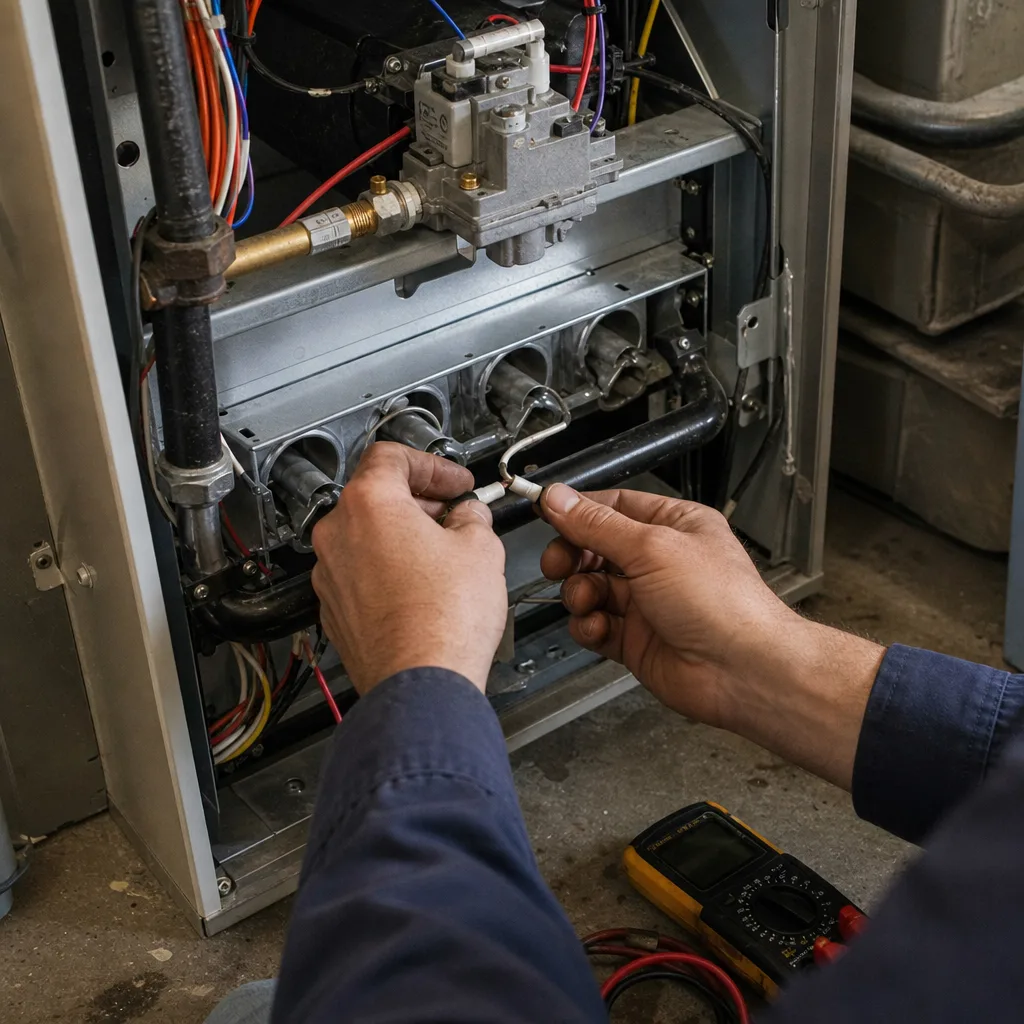
- Test electrical components under load. Capacitors and contactors should be checked with a meter, not eyeballed. A bulging cap is obviously bad; a weak one isn’t.
- Verify refrigerant charge with gauges and superheat/subcooling, and if the charge is low, look for the leak before adding anything.
Red flags in a quote: a diagnosis with no readings behind it; “low on Freon” as the whole answer; a recommendation to replace a system that’s never had a proper repair attempt; pressure to decide on the spot. A good technician will show you the failed part, explain what it does, and put the price in writing. Fast diagnosis, honest answer – that’s the standard to hold any company to.
What AC Repair Typically Costs
We don’t publish price lists, because the honest price depends on the actual fault and the equipment. What we can do is tell you what drives cost, so you can read a quote with clear eyes instead of vague dread.
The biggest cost driver is which component failed. Minor electrical parts – capacitors, contactors, thermostats – are the cheapest repairs and the most common. Motors, control boards, and refrigerant work cost more. Compressor and coil replacement are the most expensive repairs, and they’re also where the repair-versus-replace question gets real. Labor, access (a unit in a hot attic takes longer than one in a garage), and parts availability for older or less common equipment all move the number.
Two things should always be true of a quote you accept:
- The price is written down and set per job by the estimate, not a range that drifts once work starts.
- The estimate is free, and the diagnosis behind it is explained to you – the failed part, what it does, and why it’s the cause.
Because a system in The Woodlands runs so much of the year, a small unrepaired fault tends to cascade: a weak capacitor strains the compressor, a clogged coil overheats the system, a slow blower motor takes the compressor with it. Catching the small problem is usually the cheaper path. Call (866) 834-7590 for a free estimate. We answer 24/7. Fast dispatch from 7am to 7pm, Sunday through Friday.
What Actually Prevents Breakdowns Here
You can’t skip maintenance in The Woodlands the way you might get away with it in a milder climate. Continuous runtime means every wear item ages on a schedule, and a little upkeep moves the odds in your favor. The highest-value habits, in order of payoff:
- Change the filter on schedule. In a humid house with the blower running most of the year, filters load fast. A restricted filter stresses the blower, ices the coil, and wastes energy. Check it monthly during the hot stretch.
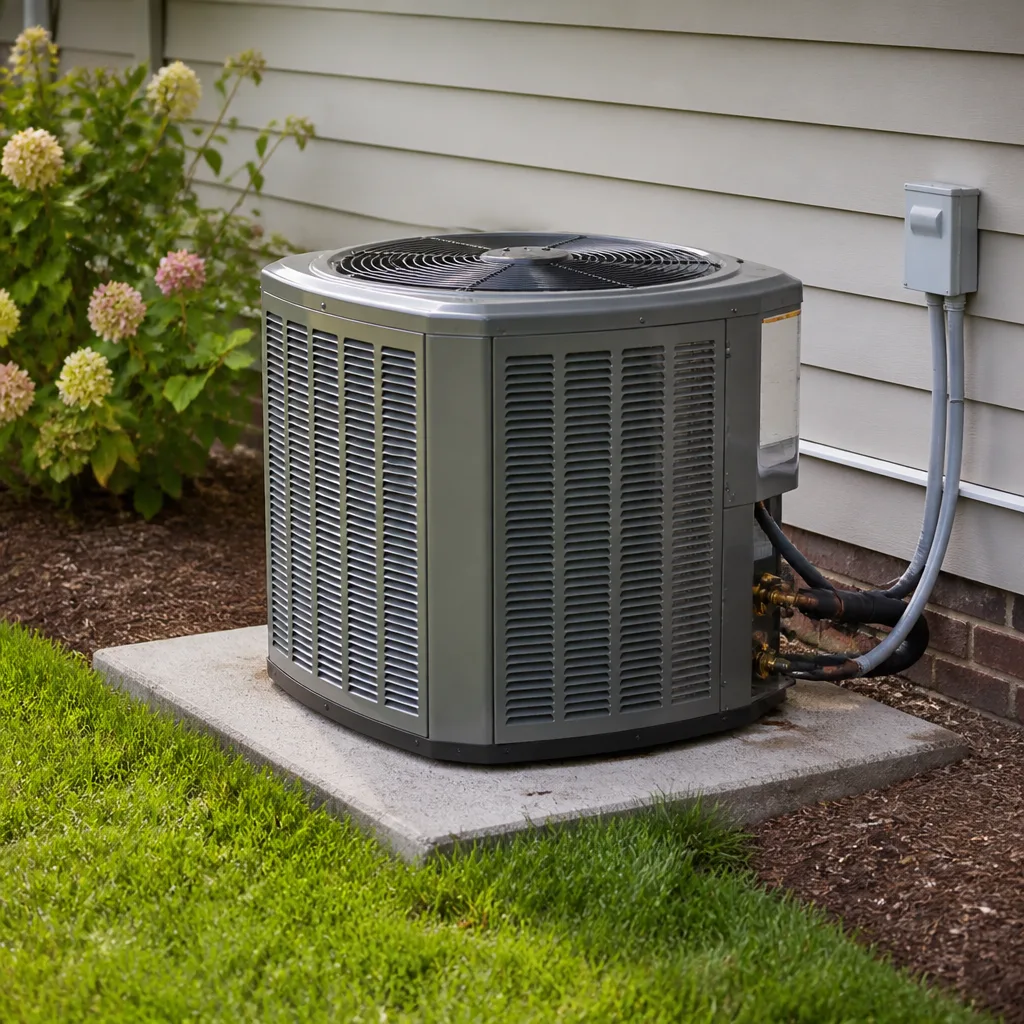
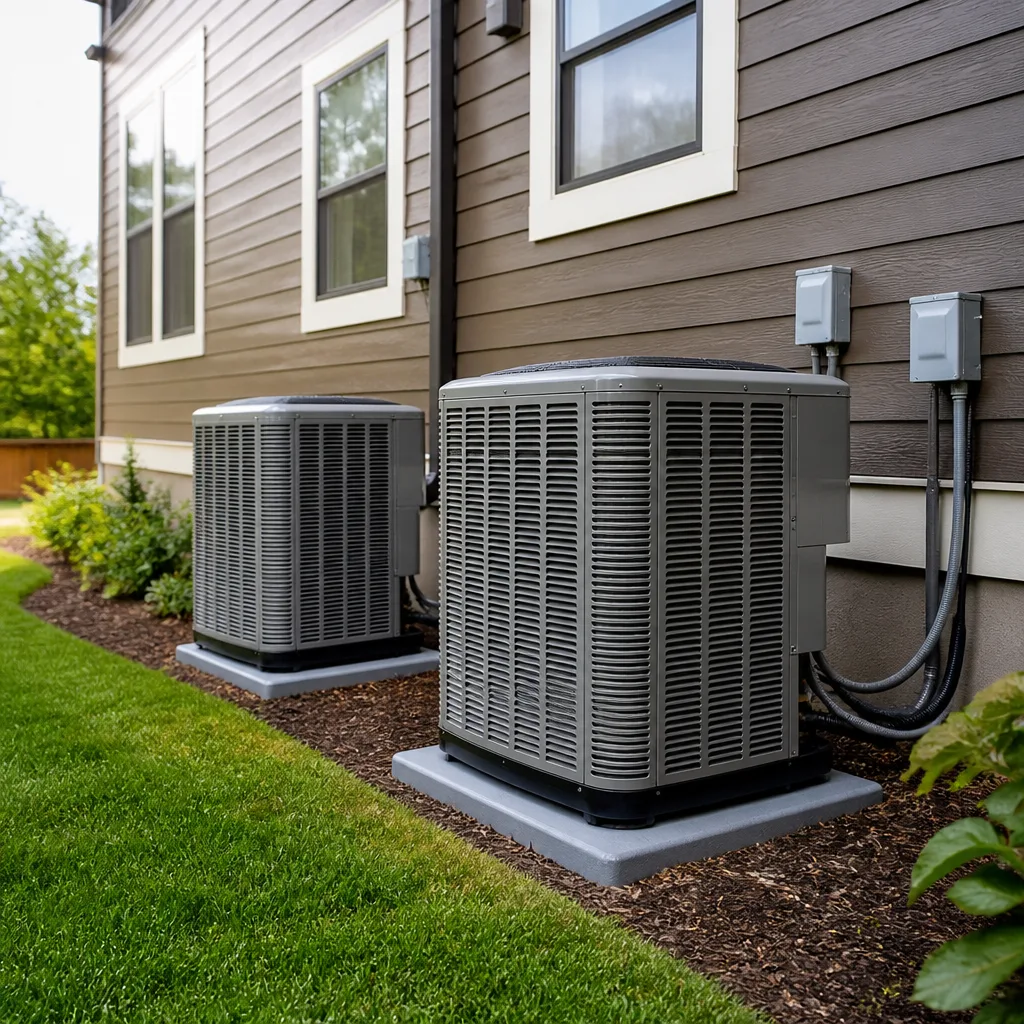
- Keep the outdoor coil clear. Rinse dust and debris off the condenser coil, and keep plants and mulch away from the cabinet so it can breathe. This is the single easiest thing you can do yourself.
- Watch the condensate drain. A wet coil in a humid climate produces a lot of water. A clogged drain line causes shutdowns and, worse, water damage. Have it cleared and checked.
- Have electrical parts tested before they fail. A technician with a meter can spot a weakening capacitor or pitted contactor and replace it before it strands you on a hot afternoon.
- Check charge and airflow together. One without the other is a guess. Charge can’t be verified if airflow is wrong, and vice versa.
Maintenance is not a sales pitch here. It’s the practical difference between a system that coasts through a The Woodlands summer and one that quits in August. For a focused repair when something does fail, our AC repair team handles the full range of equipment, and because we also do The Woodlands heating work, you’re not starting over with a new company when the season flips.
Common Mistakes to Avoid
- Assuming every warm-air problem is low refrigerant. It’s the most over-diagnosed issue we see. A weak capacitor, a dirty coil, or a slow blower can all read as “low on Freon” until airflow and electricals are checked.
- Replacing a system before it’s been properly diagnosed. A repair-first approach exhausts the real fix before recommending replacement. If a company leads with replacement on a system that’s never had a full diagnosis, ask why.
- Topping off refrigerant without a leak search. Charge doesn’t wear out. If it’s low, it leaked, and adding gas without finding the leak just resets the clock on the same problem.
- Ignoring the outdoor coil in The Woodlands humidity and landscaping. A matted condenser coil can’t shed heat, and it’s easy to overlook in a green, irrigated yard.
- Letting a small electrical fault cascade. A weak capacitor strains the compressor; a clogged coil overheats it. Small faults here turn into expensive ones because the system never gets a break.
- Judging a system by age alone. A ten-year-old unit in The Woodlands may have the running hours of an older one elsewhere. Condition and hours matter more than the calendar.
- Accepting a verbal diagnosis with no readings. A legitimate diagnosis includes gauges, meters, and airflow measurements. “It’s low on Freon” with no numbers behind it deserves a second look.
See the difference
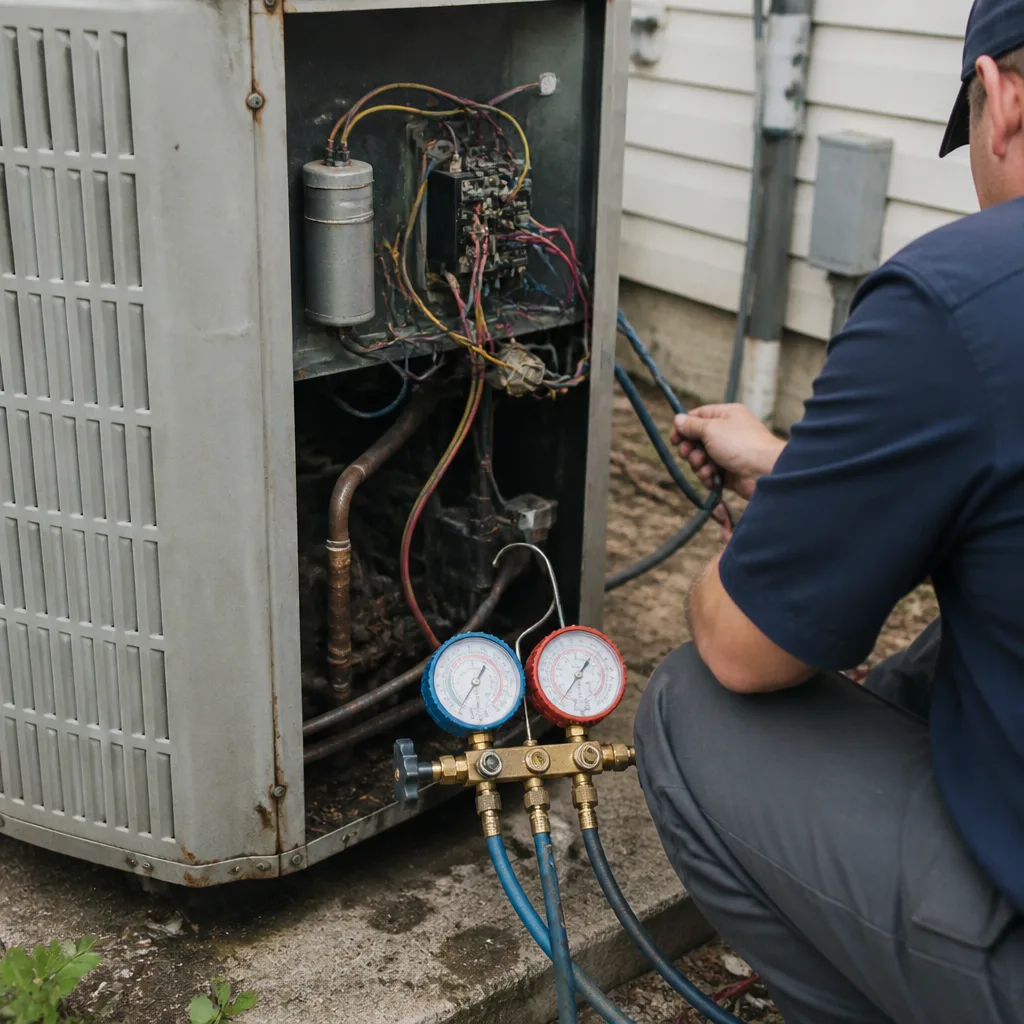 Before
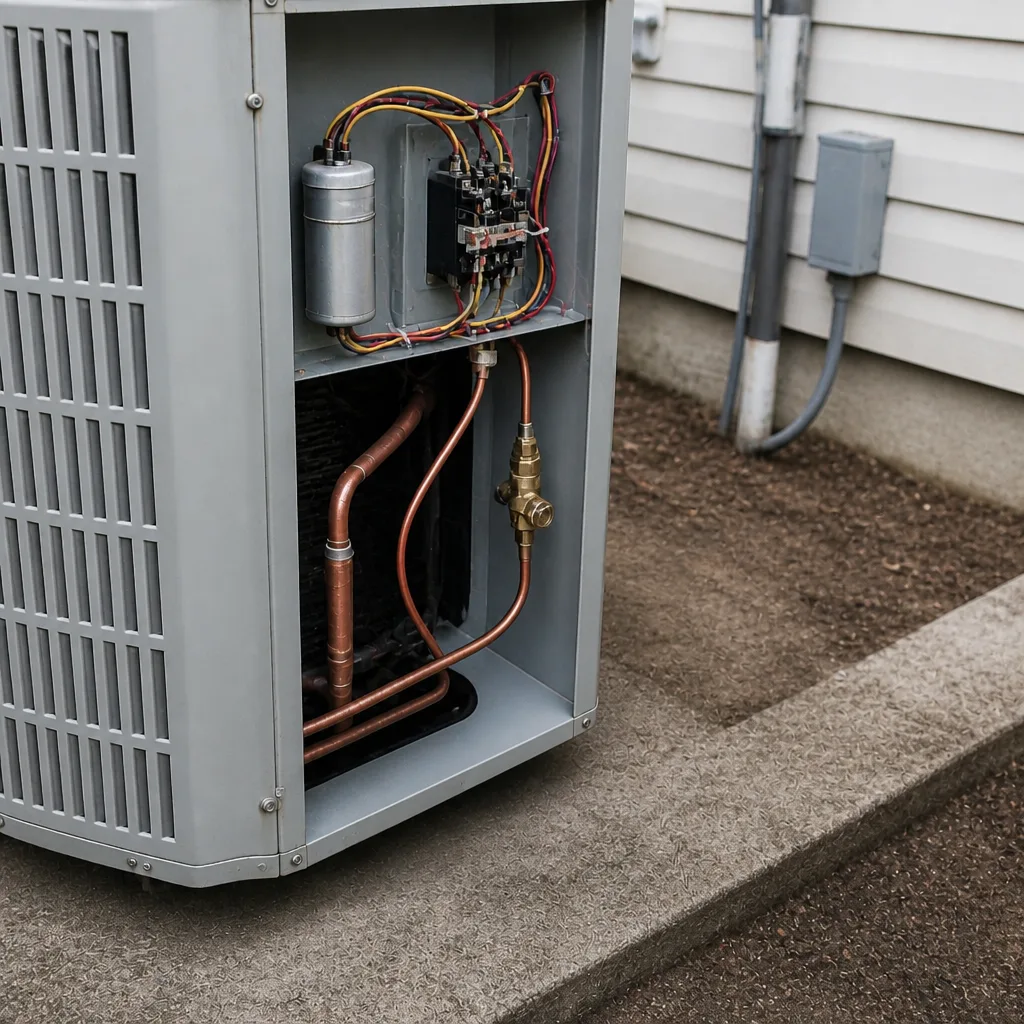 After
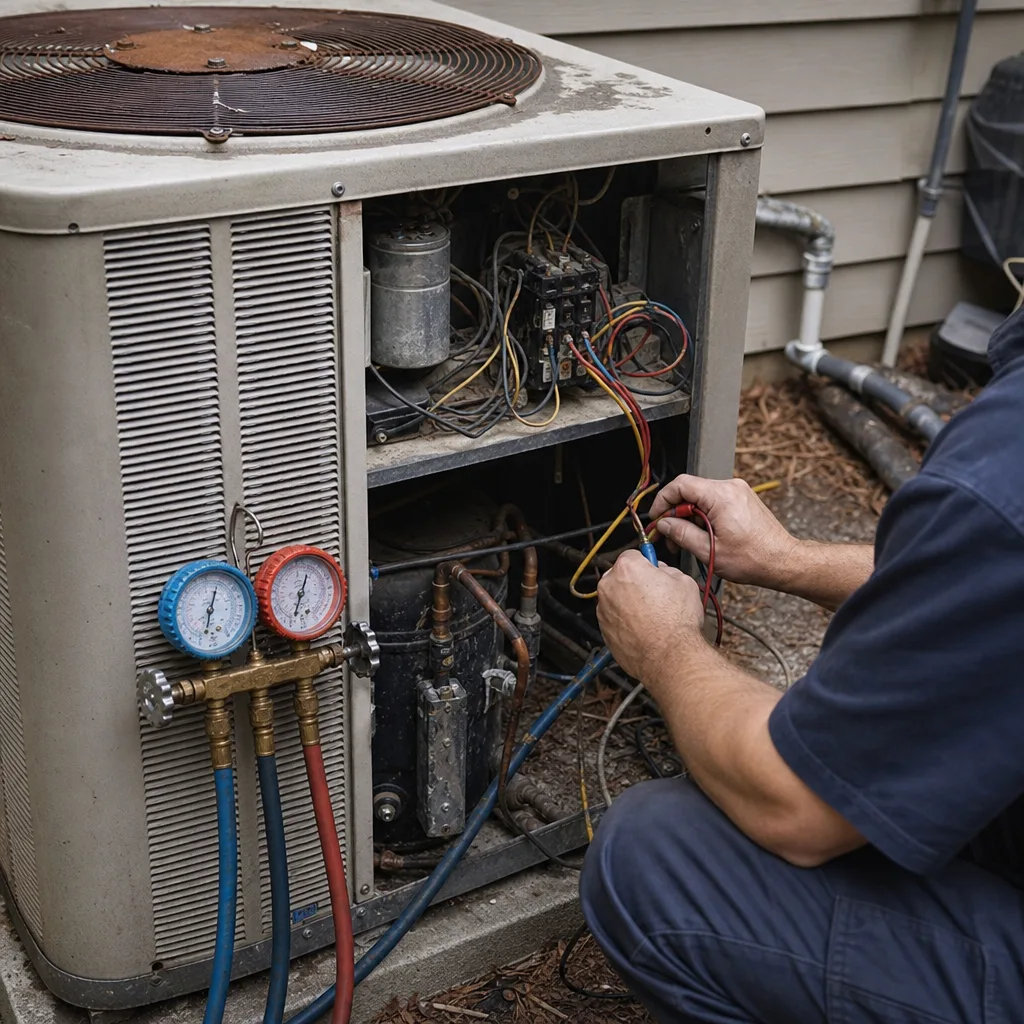 Before
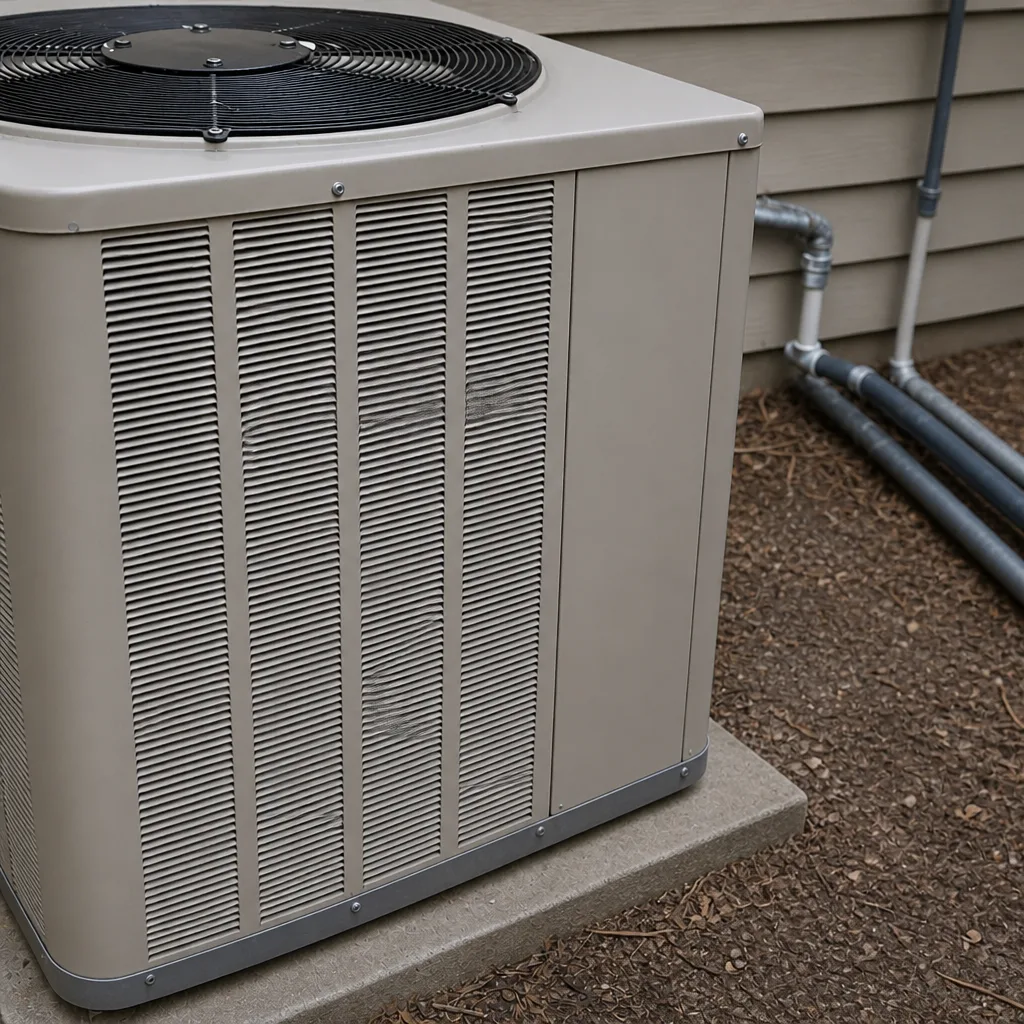 After
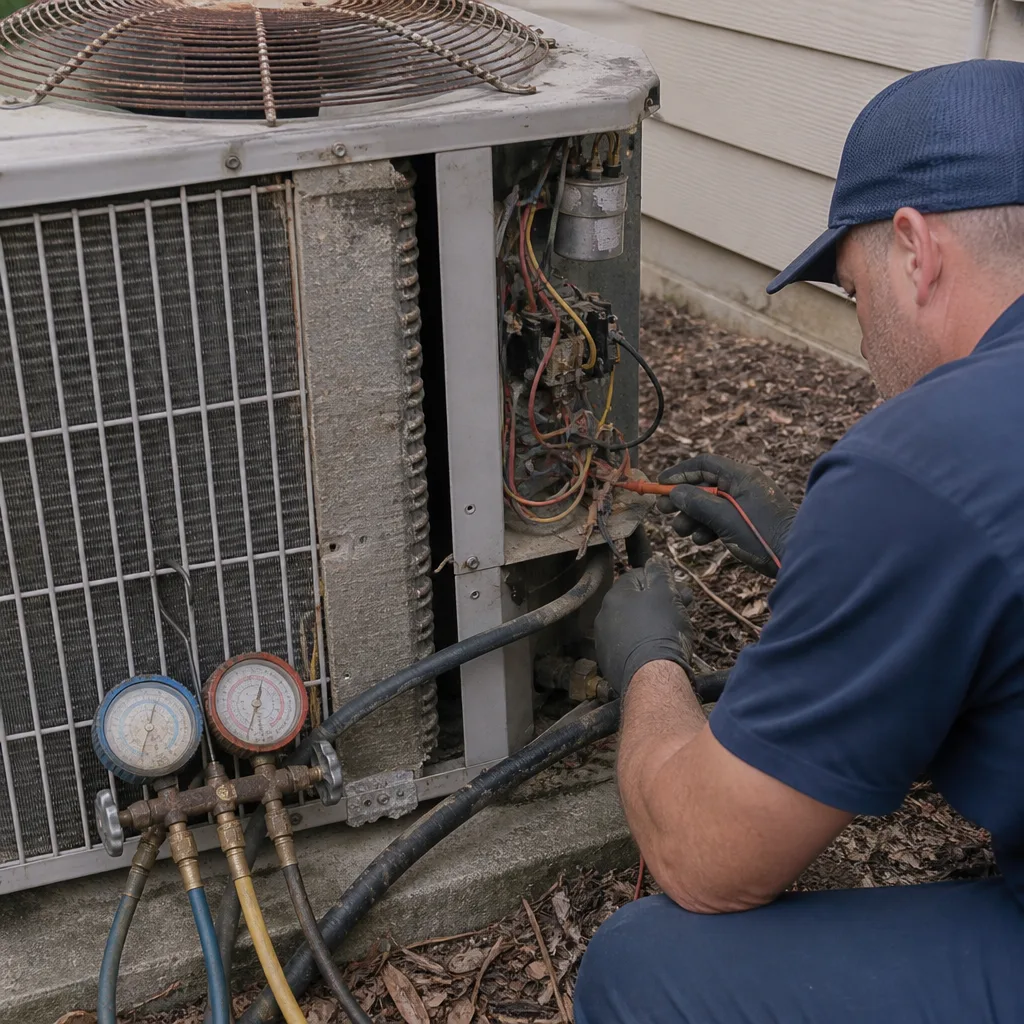 Before
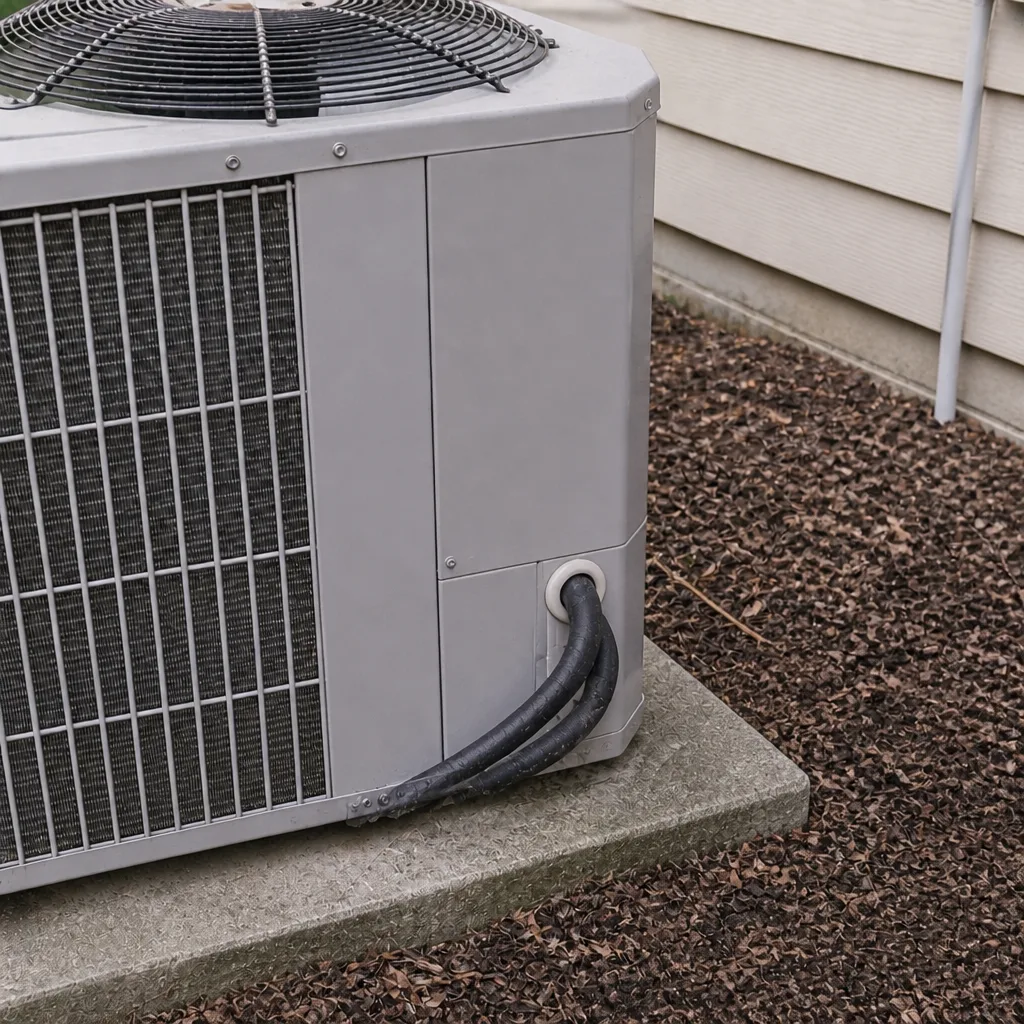 After
When to Call a Professional
Some things you can handle yourself: changing filters, clearing debris around the outdoor unit, checking the thermostat. Others need a trained technician with gauges and meters. Call a professional when the system blows warm air and a filter change doesn’t fix it; when it short-cycles, trips a breaker, or won’t start; when the house stays humid even at the set temperature; when you see frost on the indoor coil or refrigerant lines; when the outdoor unit is noisy, hot, or keeps shutting off; or when a repair hasn’t held and the same fault returns. Refrigerant work, electrical components, and compressor or coil diagnosis all carry real risk if handled without training, so leave those to a pro. Wexford AC Repair offers free estimates in The Woodlands – call (866) 834-7590. We answer 24/7. Fast dispatch from 7am to 7pm, Sunday through Friday.
Frequently Asked Questions
There’s no single number, because the price depends on the failed component, the equipment, and access to the unit. Minor electrical parts like capacitors and contactors are the least expensive repairs and the most common; motors, control boards, and refrigerant work cost more; compressor and coil replacement are the highest. The estimate is free and the written estimate sets the final price. Call (866) 834-7590 for an exact quote – estimates are free.
Constant running usually means the system is working harder than it should, not that it’s “just hot outside.” Common causes include a clogged filter or dirty coil restricting airflow, a weak capacitor or failing blower motor, low refrigerant from a leak, or a system that’s undersized for the space. In The Woodlands humidity, a wet, dirty indoor coil is a frequent culprit. A full diagnosis checks airflow, coils, electricals, and charge in order. Call (866) 834-7590 for a free estimate.
Repair first, unless the pattern says otherwise. One failed part on an otherwise healthy system is a repair. A cluster of major failures close together, a system using a phased-down refrigerant that’s expensive to recharge, or a repair cost that’s a large share of replacement on an aging unit all tilt toward replacement. Because systems here run nearly year-round, they reach end-of-life sooner than national averages suggest. Call (866) 834-7590 for an honest diagnosis – estimates are free.
No, and it’s the most over-diagnosed issue we see. A weak capacitor, a pitted contactor, a dirty coil, or a slowing blower motor can all cause weak cooling and read like a charge problem. If a technician says “low on Freon” without first checking airflow and electricals, ask for the full diagnosis. A genuine leak leaves evidence and should be found before any refrigerant is added. Call (866) 834-7590 for a free estimate.
Less than in cooler climates, because the system runs for most of the year instead of a few months. A unit here may reach the practical end of its life sooner than its age in years would suggest, since it accumulates running hours at a higher rate. What matters most is condition and hours, not the calendar. A ten-year-old system here can have the wear of an older one elsewhere. Call (866) 834-7590 for a condition-based assessment – estimates are free.
We’re certified to service nine of the most widely installed residential HVAC brands, including Carrier, Trane, Lennox, Goodman, Rheem, York, Daikin, Bryant, and American Standard. Brand-neutral diagnostics mean the recommendation follows your system’s condition, not a preferred vendor relationship. If you’re not sure what you have, the nameplate on the outdoor unit lists the brand and model. Call (866) 834-7590 for a free estimate.
The Bottom Line
AC repair in The Woodlands isn’t the same as AC repair almost anywhere else. The system runs nearly year-round in heat and humidity, so electrical parts wear faster, wet coils and airflow problems look like charge problems, and a ten-year-old unit has already logged years of extra runtime. Repair before you replace, but diagnose before you repair – a real diagnosis reads airflow, electricals, coils, and charge in order, and a quote you can trust explains the failed part and puts the price in writing. Small faults caught early stay small here. Left alone, they cascade. If something’s not cooling right, a free estimate is the cheapest next step you can take. For a brand-neutral, repair-first team that works on the equipment you already own, start with Wexford AC Repair.
Call (866) 834-7590 for a free estimate. We answer 24/7. Fast dispatch from 7am to 7pm, Sunday through Friday.
Written by the team at Wexford AC Repair.