
Last updated November 15, 2026
 AC repair
 Furnace & heating
 Heat pumps
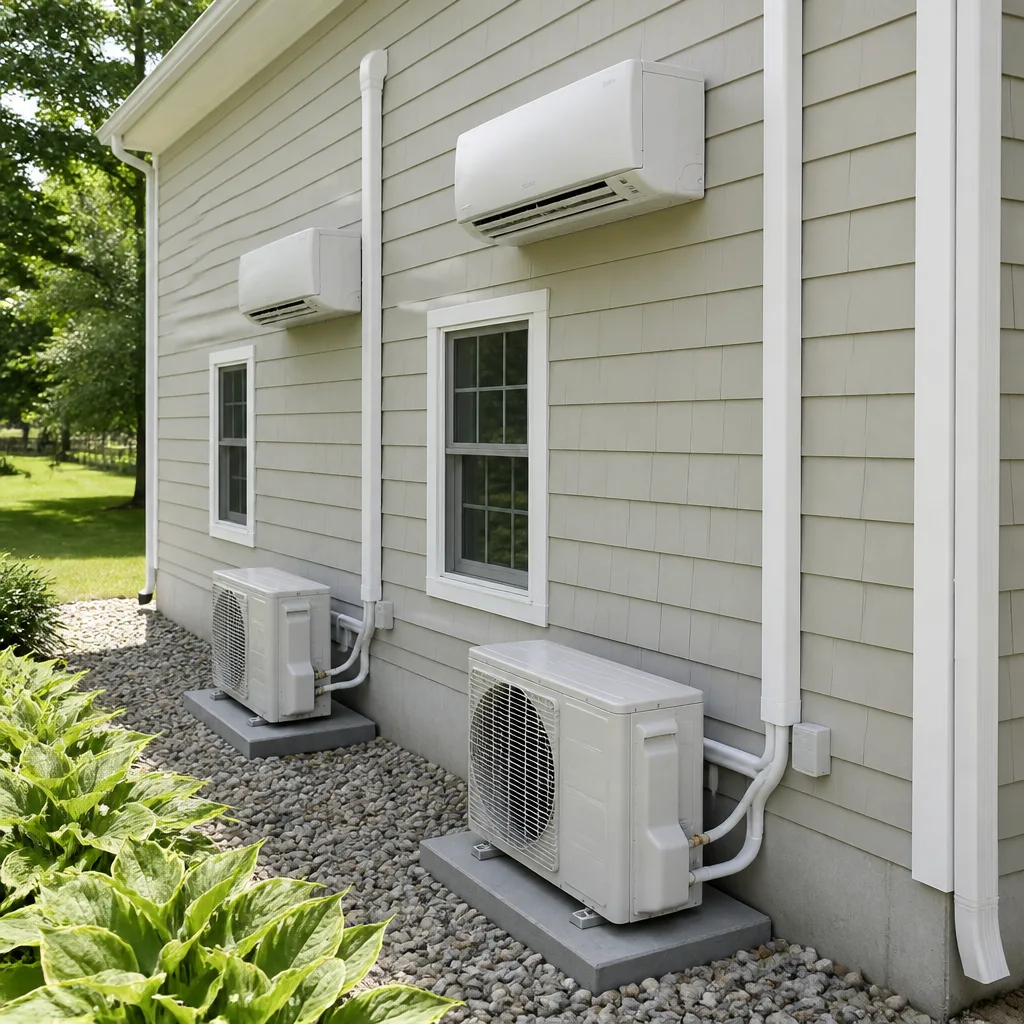 Ductless mini splits
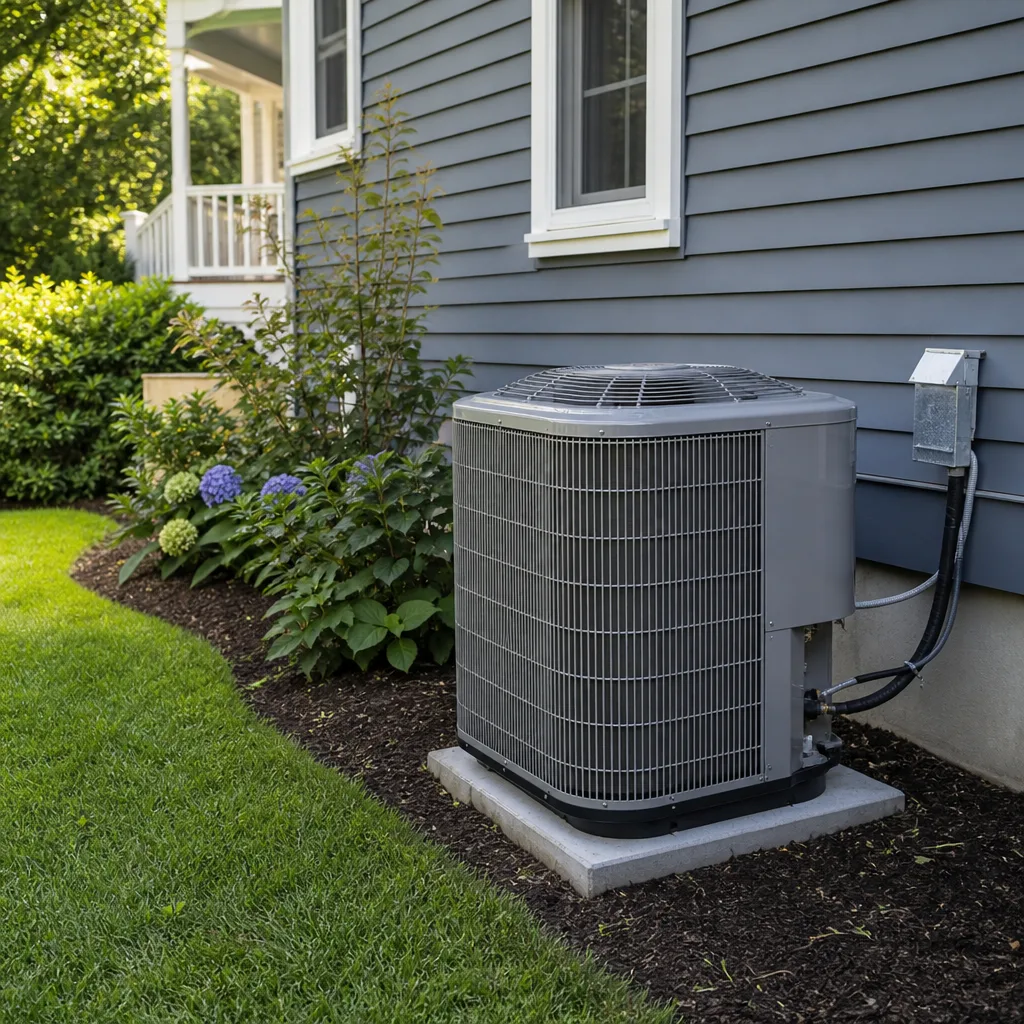 Carrier
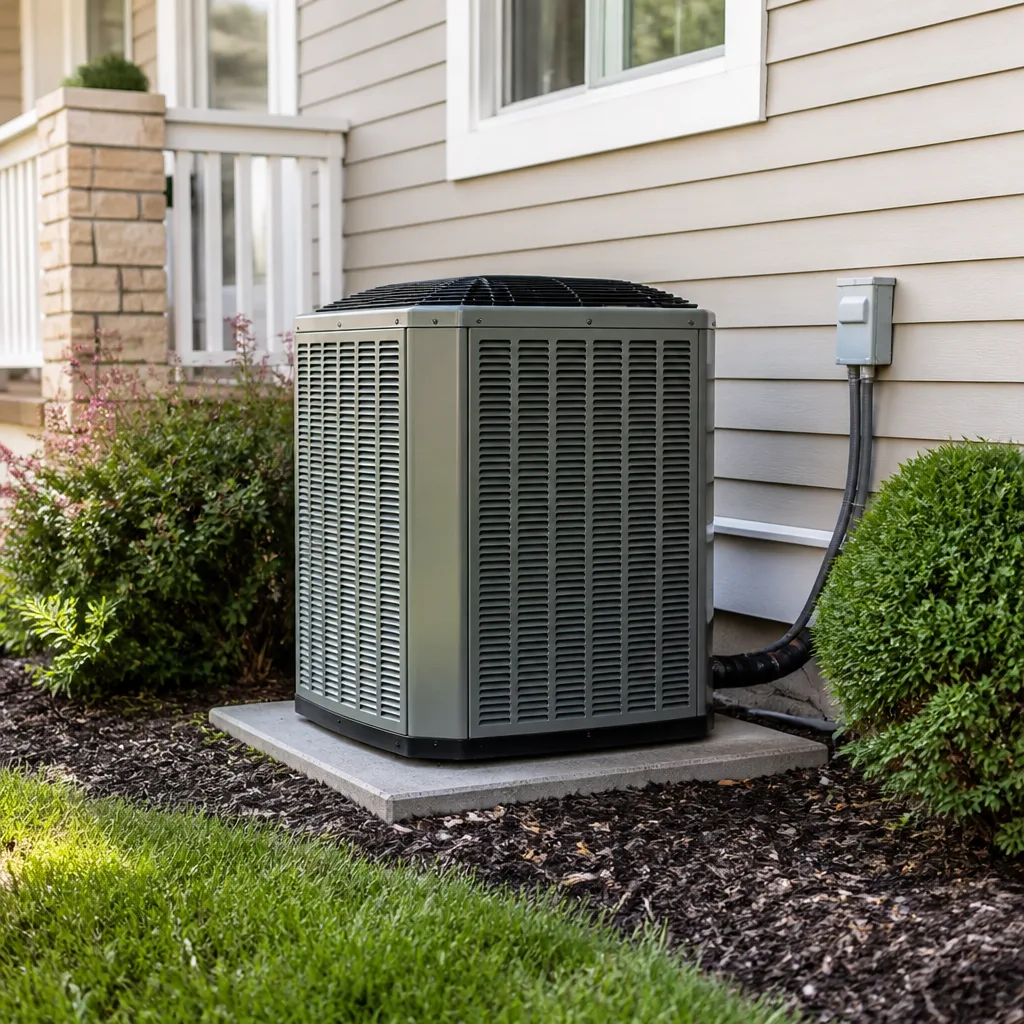 Trane
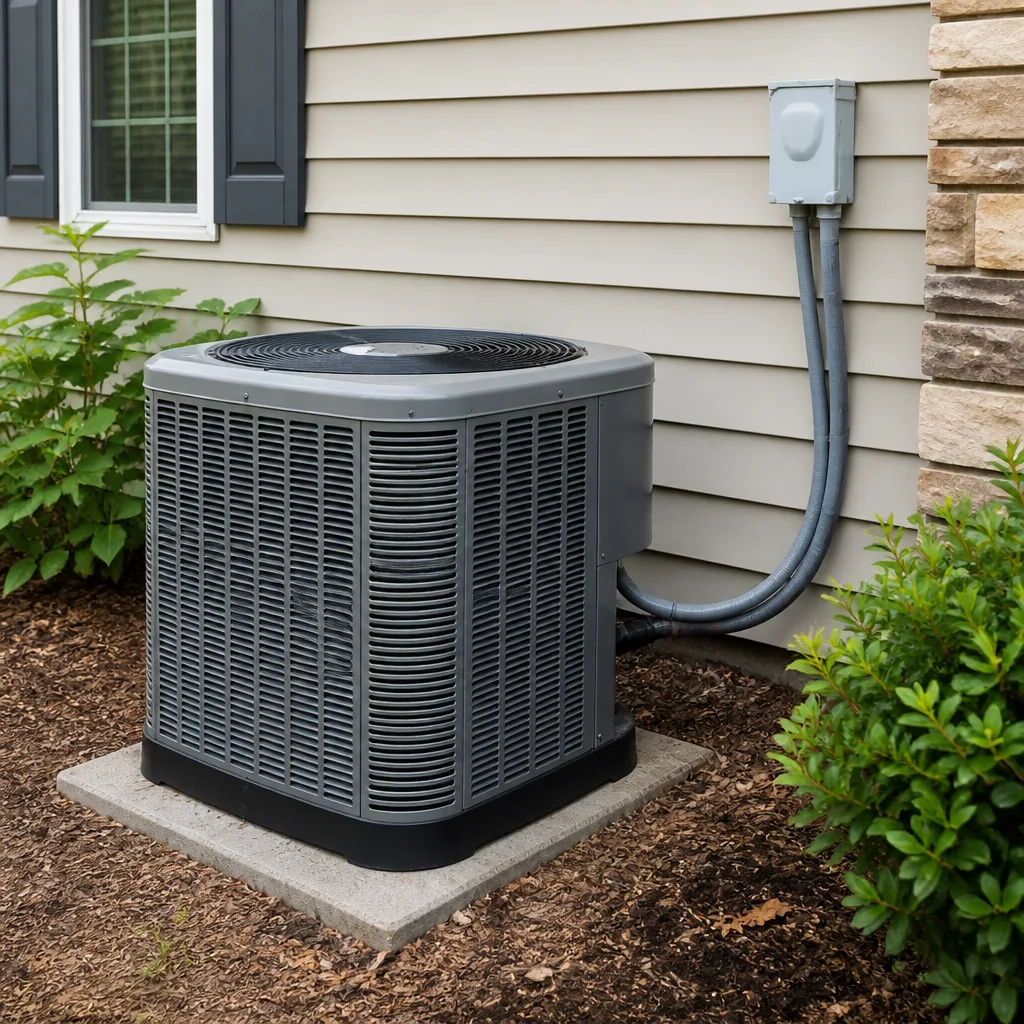 Goodman
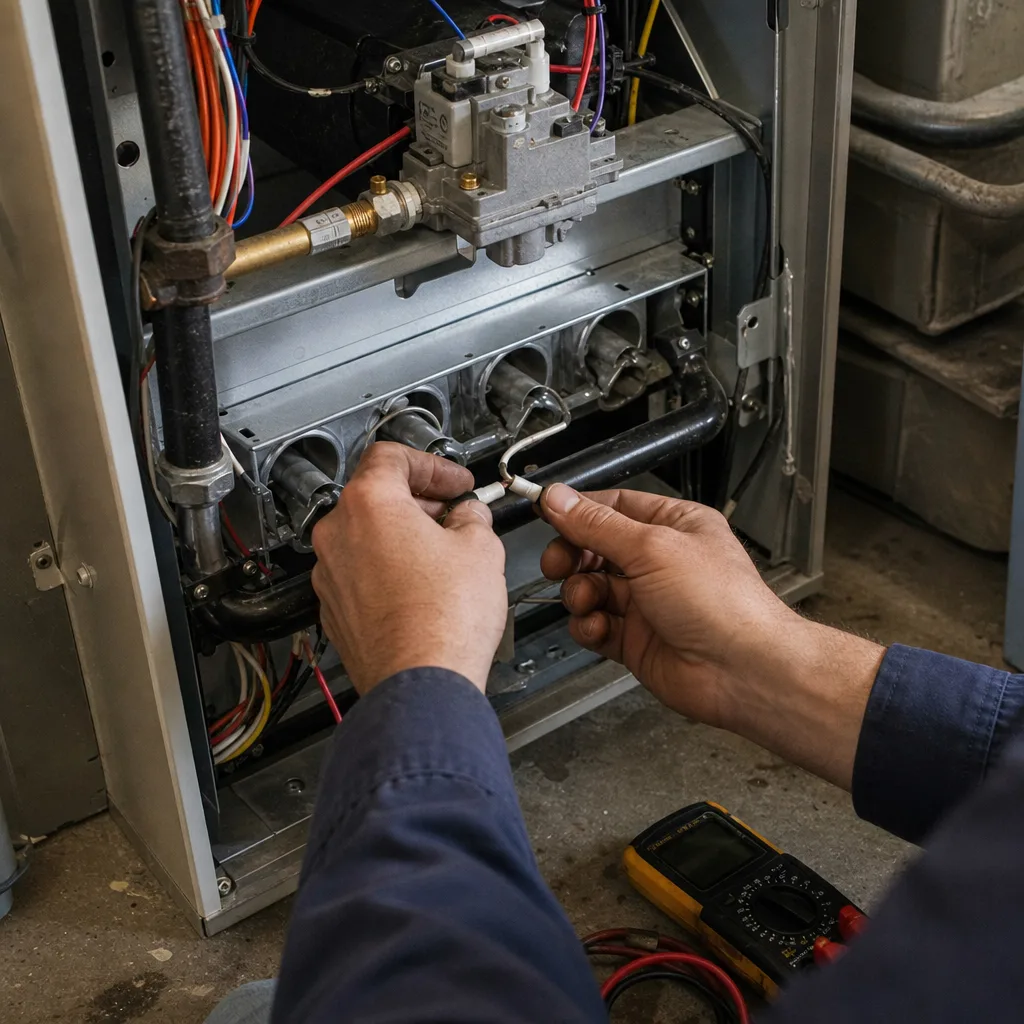
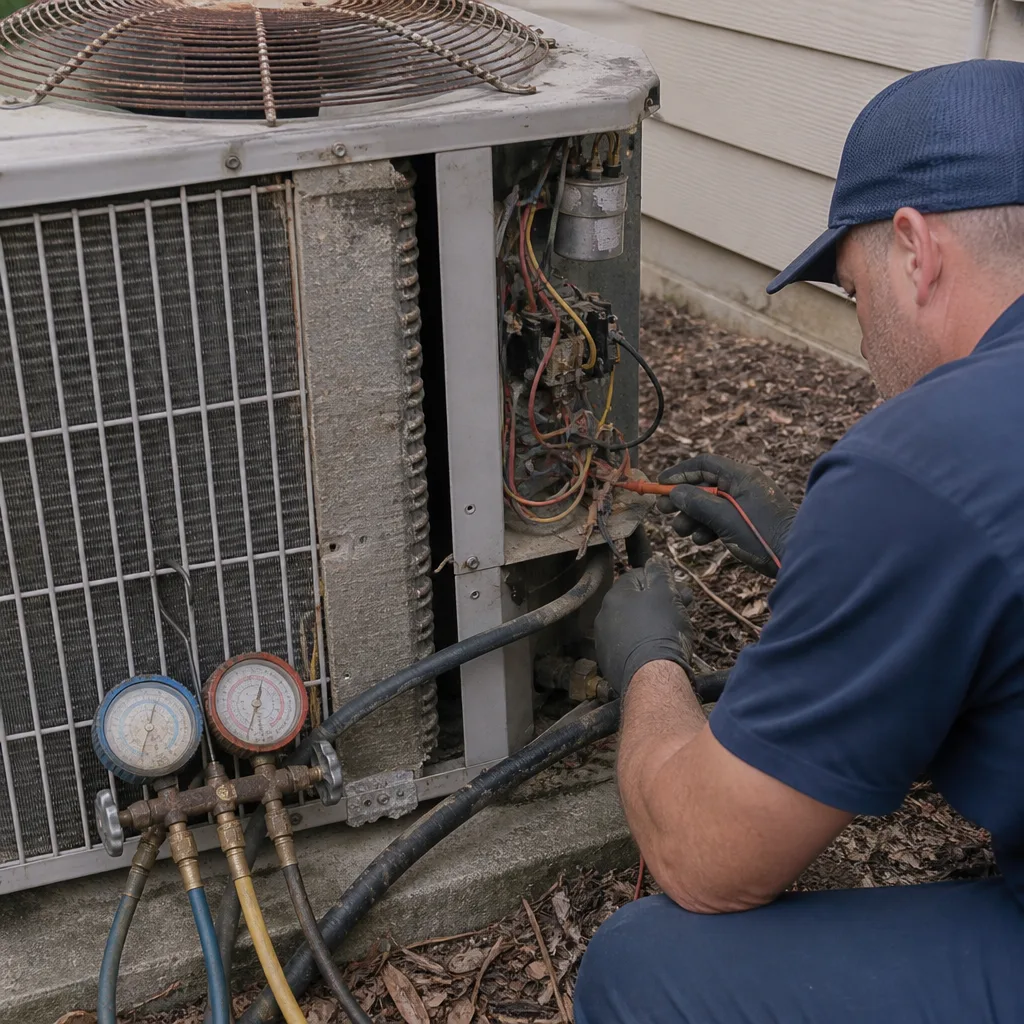
Seasonal tune-up and full diagnostic on your Carrier, Trane, or Goodman system - readings shown to you before any repair is proposed
Diagnosis first, numbers second - you approve the repair price before a single part goes in.
Get your free estimateAC Repair Maintenance Checklist for The Woodlands Homeowners
Most AC maintenance checklists you’ll find online were written for a climate that doesn’t exist here. They split the year into a gentle spring tune-up and a fall shutdown, which makes sense in Ohio and makes almost no sense in The Woodlands, where the cooling season runs so long that your system barely gets a break. The result is that homeowners follow good advice on the wrong calendar. This guide rebuilds the checklist around what actually happens to a residential system in The Woodlands: months of heavy runtime, humidity that keeps the condensate line working overtime, oak pollen that loads filters faster than the label suggests, and the occasional tropical system that throws debris at the outdoor unit. You’ll get a month-by-month task list, a clear line between what you can safely handle and what belongs to a technician, and honest notes on the parts of the job where touching the wrong thing costs you more than the service call.
Styles & brands we work with
- AC repair
- Furnace & heating
- Heat pumps
- Ductless mini splits
- Carrier
- Trane
- Goodman
Quick Answer
A solid AC maintenance checklist for The Woodlands means monthly filter checks during oak pollen season (February through April), a condensate drain flush every month through the cooling season, coil and outdoor unit cleaning before the heavy heat arrives, and a professional inspection once a year that covers refrigerant charge, electrical connections, and the components you shouldn’t touch yourself. The single most skipped task, and the one that causes the most avoidable damage here, is clearing the condensate drain line.
Table of Contents
- Why The Woodlands Climate Changes the Checklist
- The Month-by-Month Task Calendar
- The Condensate Drain: The Task Almost Everyone Skips
- Filter Replacement Timing Around Oak Pollen Season
- What to Check on the Outdoor Unit After a Storm
- DIY-Safe Tasks vs. Technician-Only Tasks
- What a Professional Inspection Actually Covers
- Common Mistakes to Avoid
- When to Call a Professional
- Frequently Asked Questions
- The Bottom Line
Why The Woodlands Climate Changes the Checklist
An air conditioner is a runtime machine. The more hours it runs, the faster every wear component ages: the blower motor, the contactor, the capacitor, the fan bearings, and the compressor itself. In a mild climate, a system might log a few hundred hours of cooling a year. In The Woodlands, the cooling season stretches from early spring well into fall, and a system that never really gets a seasonal rest accumulates runtime at a pace that makes annual maintenance non-optional rather than a nice-to-have. That’s the first reason the standard checklist doesn’t fit.
The second reason is humidity. The Woodlands sits in a band where summer air carries a heavy moisture load, and your air conditioner’s job isn’t just to remove heat, it’s to pull water out of the air. That water has to go somewhere, and it leaves through the condensate drain line. A line that sees a trickle in a drier climate sees a steady flow here for months on end, which means it accumulates algae, dust, and biological growth faster. When it clogs, the water backs up, and the damage shows up in ceilings, walls, and attic insulation rather than at the air handler where the problem started.
The third factor is pollen. The Woodlands has a pronounced oak pollen season, and fine pollen particles are exactly the kind of debris that load a filter quickly. A filter that looks fine at 90 days in a low-pollen climate can be visibly gray and restricted at 45 days here in spring. Restricted airflow makes the system work harder, which drives up runtime, which accelerates wear, and the whole cycle feeds itself. None of this is dramatic. It’s just a set of local conditions that shift the maintenance calendar earlier and make a few tasks more frequent.
If you want the broader picture on how these systems are diagnosed and repaired in this part of Texas, our Wexford AC Repair team handles the technical side, and this guide covers what you can reasonably do between visits.
The Month-by-Month Task Calendar
Generic checklists tell you to “tune up in spring and winterize in fall.” In The Woodlands, the useful split is different, because the system runs through most of the year and the risk periods are specific. Here’s a calendar built around the actual seasons rather than a template.
January – February
- Check the filter and note its condition for reference (this establishes your baseline before pollen arrives).
- Clear any stored items, boxes, or debris around the indoor air handler and outdoor unit so airflow is unobstructed.
- Book your professional inspection before the cooling season starts, when schedules are open.
- Walk the yard and note anything leaning toward the outdoor unit that could fall or blow against it.
March – April (Oak Pollen Peak)
- Check the filter every 2 to 3 weeks rather than monthly. Expect to change it more often than the packaging recommends.
- Rinse pollen off the outdoor unit’s coil fins with a garden hose on low pressure (power off at the disconnect first).
- Flush the condensate drain.
- Watch for any water staining near the indoor unit or in the ceiling below it.
May – September (Peak Cooling Load)
- Filter check every month, more often with pets or allergy sufferers in the home.
- Condensate drain flush every month. This is the highest-value task of the entire year here.
- Clear debris from around the outdoor unit after any storm, and after yard work.
- Listen to the system on startup. New noises are worth a call, not a wait-and-see.
October – December
- One more condensate flush before the shoulder season reduces runtime.
- Filter change and a coil check before the system gets its lightest stretch.
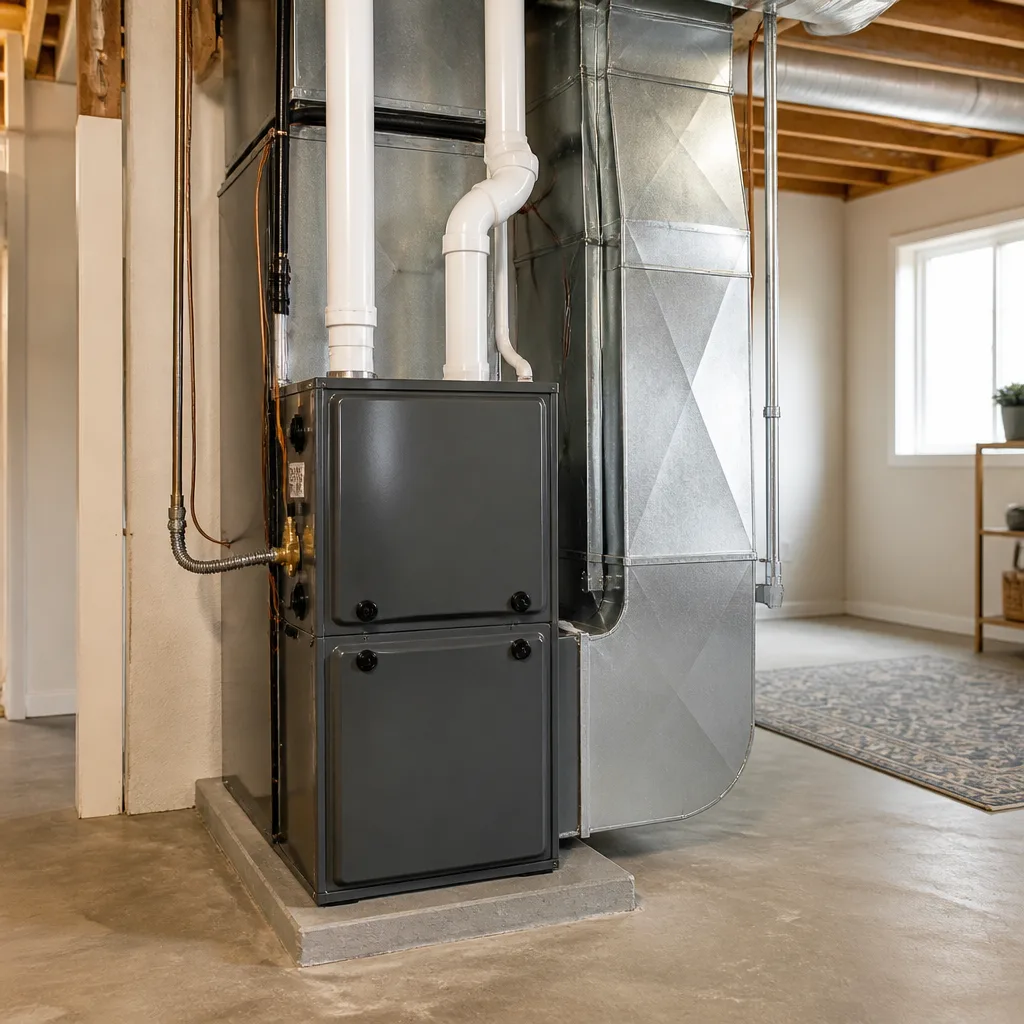
- If you run the furnace, have it inspected separately; that’s a distinct service from cooling maintenance.
- Trim vegetation back from the outdoor unit so it has clear airflow going into the cooler months.
The pattern is simple: pollen season makes filters a spring priority, humidity makes the drain a summer priority, and everything else is either a setup task or a storm response.
The Condensate Drain: The Task Almost Everyone Skips
If you take one thing from this guide, make it this section. The condensate drain line is a modest piece of pipe that carries water out of your air handler, and when it clogs, the water doesn’t disappear. It backs up into the drain pan, overflows, and finds the nearest path down through the structure. That’s why it tops the list of preventable water damage causes in homes with heavy cooling load.
The line clogs faster in The Woodlands because of humidity. Higher moisture in the air means more condensate, which means a steady, warm, nutrient-rich flow through a small pipe. Algae and biological film thrive in exactly that environment. A line that might stay clear for a full season in a dry climate can build a blockage here in weeks during the peak of summer.
Signs the Drain Is Already Backing Up
- Water stains, soft spots, or bubbling paint on the ceiling below the air handler.
- Standing water in the drain pan, or water visible on the floor near the indoor unit.
- A musty, damp smell coming from the vents or the closet that houses the air handler.
- The system shutting off before it reaches your set temperature, often an indicator that a float switch tripped.
- Visible growth or slime at the drain line’s outlet point, inside or out.
How to Flush the Line Safely
- Turn the cooling off at the thermostat and cut power to the air handler.
- Locate the drain line’s access point (usually a capped tee near the air handler) and the outdoor termination point.
- Remove the cap and pour a cup of plain water or a diluted vinegar solution down the line slowly.
- Watch the outdoor end: if water flows freely, the line is clear. If it backs up or trickles, there’s a blockage.
- If it’s blocked, don’t force it. Use a wet-dry vacuum at the outdoor end to pull the clog out, or call a technician if it won’t clear.
- Replace the cap and restore power.
Do this once a month from late spring through early fall. It takes five minutes and prevents the most expensive kind of avoidable damage. If you’d rather have a technician locate and clear a stubborn clog or check the drain pan and float switch, our AC repair team can take care of it.
Filter Replacement Timing Around Oak Pollen Season
Filter advice is usually given in the abstract: “change it every one to three months.” That guidance is fine as a starting point and wrong for The Woodlands in spring. Oak pollen loads filters far faster than ordinary household dust, and a restricted filter has a real cost beyond dust in the air. When airflow drops, the system runs longer to hit the set temperature, the coil can ice up, and the compressor works harder than it should. Restricted airflow is one of the most common reasons a system underperforms without any component actually failing.
How Often to Change the Filter in The Woodlands
- February through April: Every 2 to 3 weeks during peak oak pollen.
- May through September: Every month, more often if the system runs hard.
- October through January: Every 1 to 2 months.
- Homes with pets: Shorten every interval. Pet dander adds to the load independently of pollen.
- Homes with allergy sufferers: Treat the shorter frequency as the default. A MERV 11 to MERV 13 filter catches fine pollen particles well, but it also loads faster, so check it more often, not less.
One practical tip: write the install date on the filter’s edge with a marker. You’ll stop guessing when the outdoor heat makes you second-guess yourself. And when you’re checking the filter, look at its surface in decent light rather than relying on the calendar alone. If it’s gray and catching the light unevenly, it’s done regardless of what the schedule says.
What to Check on the Outdoor Unit After a Storm
The Gulf Coast storm season brings wind and debris that find the outdoor condenser unit. Yard debris, palm fronds, shingles, and fine grit can all obstruct the coil or, in a worse case, damage the refrigerant lines. A short inspection after any significant wind event or heavy rain catches most issues before they become repairs.
Post-Storm Inspection Steps
- Turn off the system at the thermostat. Don’t run it until you’ve had a look.
- Inspect the outdoor unit visually from a safe distance. Check for anything leaning on it, dents in the coil guard, or debris lodged in the fins.
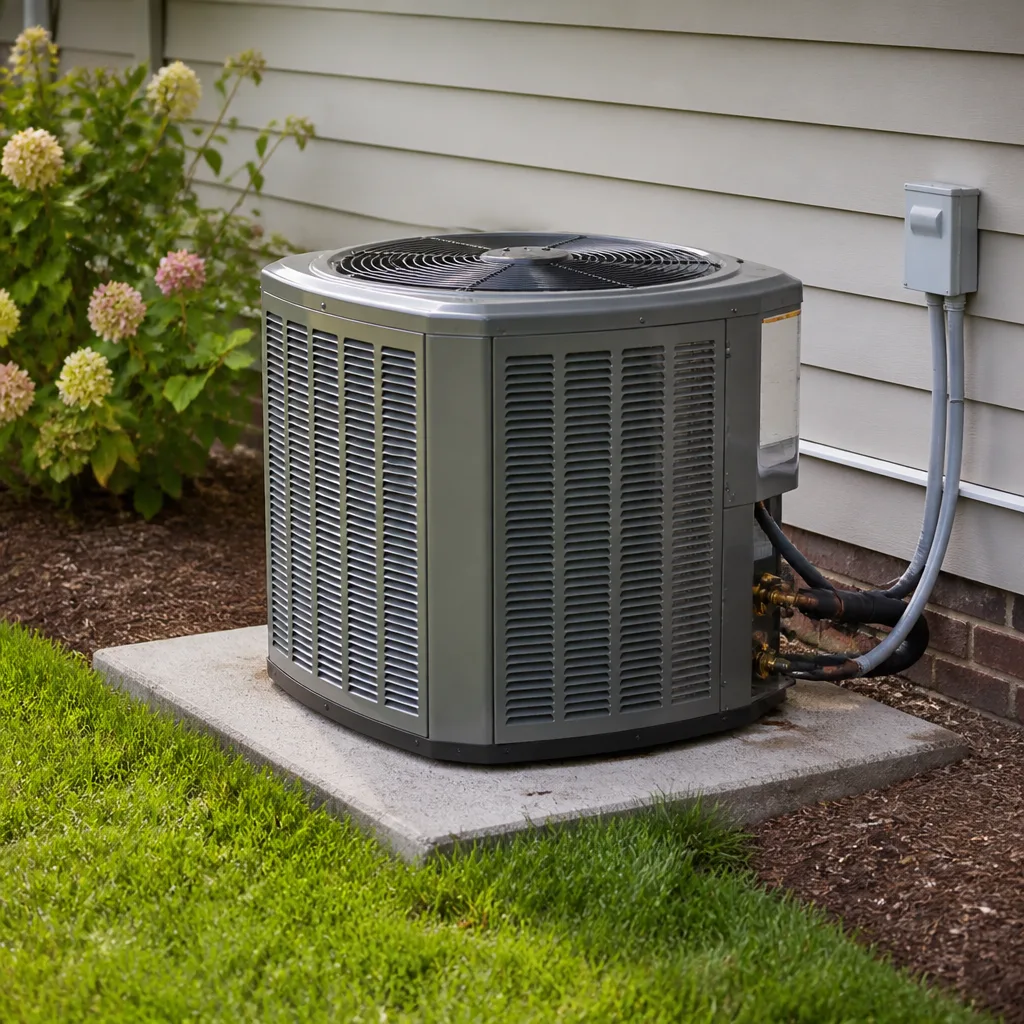
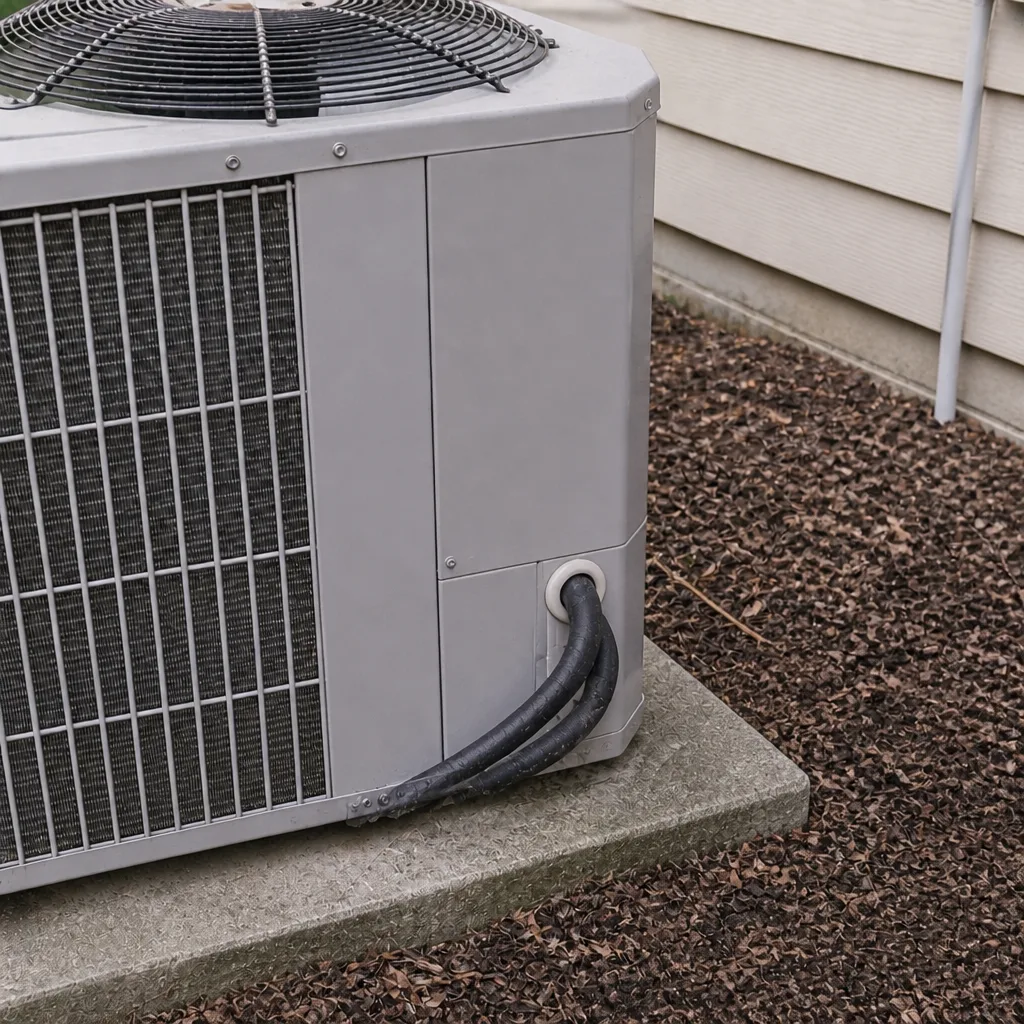
- Look at the refrigerant line insulation (the two insulated pipes running from the unit into the house). Cracked or missing insulation is worth a technician call; exposed lines reduce efficiency and can let moisture in.
- Check for physical damage to the refrigerant lines themselves. Any dent, kink, or visible oil residue at a connection point means stop running the system and call a technician; refrigerant handling is not a homeowner task.
- Clear leaves, branches, and grit from around the base and from the coil’s face, using a garden hose on low pressure only. Never use a pressure washer on coil fins.
- Check that the electrical disconnect box is intact and dry, and that no water is pooling at the base.
- Restore power and turn the system on. Listen for any new noise, and confirm it reaches temperature within a normal time.
A storm doesn’t have to damage the system outright to cause a slow failure. Grit packed into fins reduces heat transfer, and bent fins restrict airflow. Both build up quietly. If you’re unsure about what you’re looking at, a technician can check the coil and lines quickly.
DIY-Safe Tasks vs. Technician-Only Tasks
The honest line between what you should handle and what belongs to a professional is narrower in HVAC than in most home maintenance. That’s not about gatekeeping, it’s about safety and warranty protection. The components that can hurt you or void your coverage are exactly the ones that look simple until you’re inside them.
Safe for Most Homeowners
- Changing or cleaning the air filter.
- Flushing the condensate drain with water or diluted vinegar.
- Rinsing pollen and loose debris off the outdoor coil with a garden hose (power off first).
- Clearing vegetation and stored items away from the outdoor unit for airflow.
- Taking note of unusual sounds, smells, or temperature swings to describe to a technician.
- Wiping down the thermostat screen and confirming settings.
Technician-Only Tasks
- Checking or adjusting refrigerant charge. Refrigerant handling requires certification and specific equipment. Touching the wrong valve or not handling refrigerant per manufacturer specification can void the warranty and is a genuine safety hazard.
- Any work inside the electrical panel or on the system’s electrical components: capacitors, contactors, wiring, motor control boards. These carry stored charge even after power is cut.
- Cleaning the evaporator coil. It’s a job for a technician with the right tools and the right method for the coil type.
- Inspecting or replacing the blower motor, compressor, or reversing valve.
- Diagnosing a refrigerant leak or pressure problem.
If you’re unsure which side of that line a task falls on, treat it as technician territory. A repair that costs a service call is far cheaper than a warranty claim that gets denied because a homeowner worked on a sealed system.
What a Professional Inspection Actually Covers
A professional maintenance visit is not the same as a homeowner checklist run-through. It’s a diagnostic pass over the components that determine efficiency, safety, and remaining lifespan. A good inspection produces a written report with measured values, not a verbal “looks good.” Here’s what one should include.
What’s Covered
- Refrigerant charge and pressures: measured against the manufacturer’s specification for the model.
- Electrical connections and components: tightness, corrosion, and condition of capacitors, contactors, and wiring.
- Condenser and evaporator coils: cleanliness and condition, with an assessment of airflow restriction.
- Blower motor and wheel: bearing condition, cleanliness, and current draw.
- Condensate drain and pan: flow test, float switch function, and pan condition.
- Filter condition and static pressure: the pressure reading tells you whether the ductwork is actually delivering the airflow the system needs.
- Thermostat calibration and control sequence: confirm the system stages and shuts off as designed.
When we inspect a system in The Woodlands, we’re working on Carrier, Trane, Lennox, American Standard, and the other major brands without a preference for any of them. That matters more than it sounds. A brand-neutral diagnosis means the recommendation comes from what the readings say, not from what’s easiest to sell. Our technicians have up to 11 years of experience with the equipment, and the goal of an inspection is to give you the actual condition and a straight answer on what needs attention now versus what can wait.
If the inspection turns up a system that’s at the end of its life, we’ll say so, but we don’t lead with replacement. The first question is always whether a repair is the right call. If you’re weighing that decision, our AC installation page covers what a proper load calculation and installation involve.
Common Mistakes to Avoid
- Using the same filter schedule year-round. The oak pollen season in The Woodlands runs February through April, and a filter that lasts 90 days in winter will be restricted in weeks during that stretch. Set a shorter interval for spring and don’t feel like you’re overdoing it.
- Skipping the condensate flush because “nothing’s leaking.” The line clogs from the inside, and the first sign is often water staining on the ceiling. By then the damage has started. Flush it monthly through the cooling season.
- Turning the thermostat down dramatically to cool the house faster. It doesn’t work. The system cools at its designed rate, and setting the thermostat very low just runs it longer, drives up the electric bill, and stresses components. Set a comfortable temperature and leave it.
- Hosing off the outdoor unit with a pressure washer. High pressure bends coil fins flat, and flattened fins can’t transfer heat. Use a garden hose on low pressure, and only after cutting power at the disconnect.
- Touching the refrigerant circuit or the electrical panel yourself. These are the two places where a small mistake causes an outsized problem. Refrigerant work requires certification, and the electrical components carry a charge. Both can void a manufacturer warranty.
- Ignoring a new noise or a short cycle. In The Woodlands heat, a system that short-cycles or grinds on startup is telling you something is failing. Waiting until it fails completely means a repair on the hottest day of the year, likely with a longer wait.
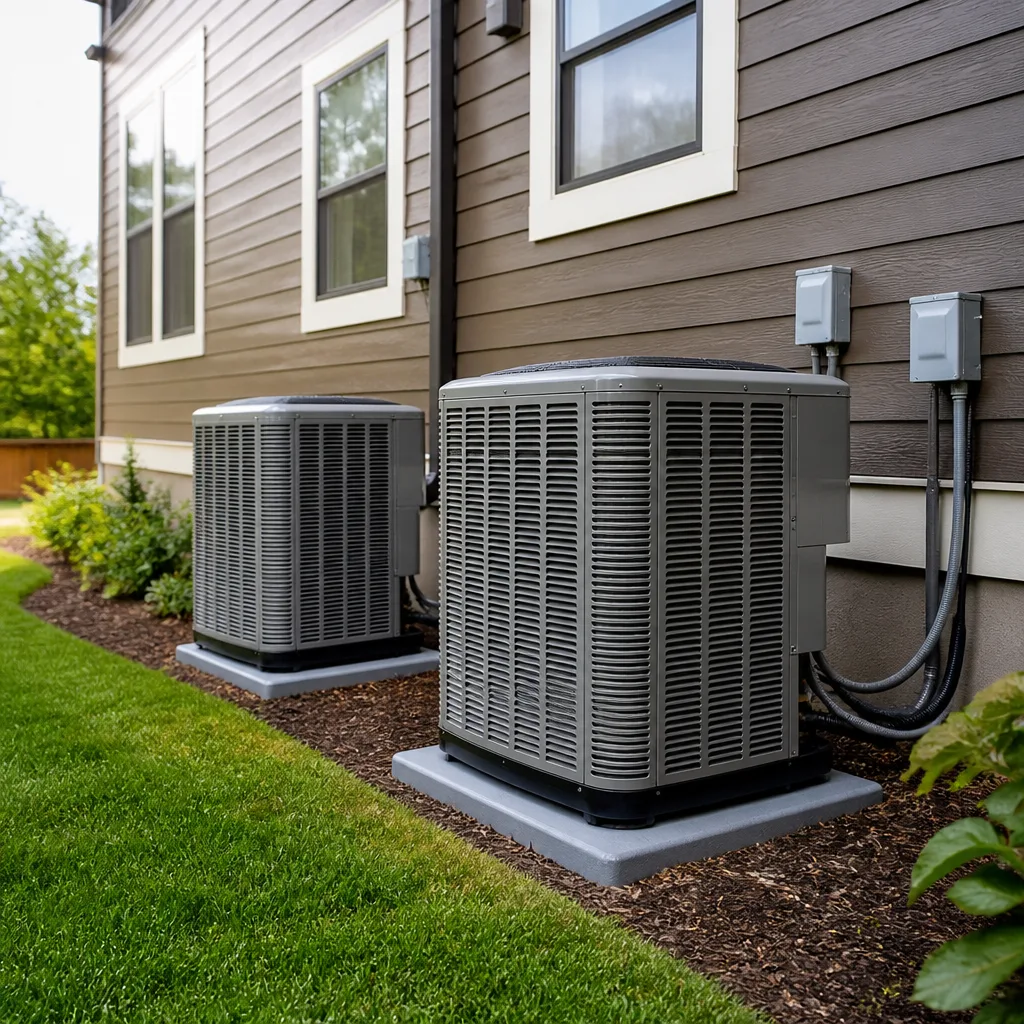
- Letting vegetation grow against the outdoor unit. Clearance is a cooling requirement, not a landscaping preference. A shaded, obstructed coil runs hotter and longer, and it’s the easiest thing on this list to fix.
When to Call a Professional
Some symptoms are worth a call the moment you notice them. If the system isn’t cooling at all, if you see water pooling or ceiling staining, if the outdoor unit won’t start, if you hear grinding, rattling, or a repeated clicking at startup, or if the breaker trips when the system comes on, don’t wait it out. Refrigerant leaks show up as ice on the indoor coil or lines, and that’s a technician call, not a “let it thaw” situation. If any of these sound familiar, Wexford AC Repair offers free estimates in The Woodlands and serves neighborhoods across the area, from Alden Bridge to Creekside. Since we handle both cooling repairs and furnace work, you’re not calling a different contractor when the season changes. Fast diagnosis, an honest answer on repair vs. replace, and a written estimate before any work begins. Call (866) 834-7590 for a free estimate.
Frequently Asked Questions
Every 2 to 3 weeks from February through April during oak pollen season, monthly through the summer, and every 1 to 2 months in the cooler months. Homes with pets or allergy sufferers should follow the shorter end of every range, because dander and fine particles load filters faster than the packaging predicts.
Watch for water in the drain pan or on the floor near the air handler, ceiling stains below the indoor unit, a musty smell, or the system shutting off before it reaches temperature. You can also pour water slowly into the line’s access point and check whether it flows freely at the outdoor end. If it backs up, don’t force it, and call a technician if a wet-dry vacuum at the outlet doesn’t clear it.
You can rinse the outdoor condenser coil’s surface with a garden hose on low pressure after cutting power at the disconnect, which removes pollen and loose grit. Cleaning the indoor evaporator coil, and any cleaning that involves the sealed refrigerant system, is a technician job. Coil fins are fragile, and the wrong cleaning method flattens them or damages the coil.
Check for debris lodged in the fins, anything leaning against the unit, and damage to the insulated refrigerant lines. Look for oil residue or dents at the line connections, which suggest a leak that needs a technician. Clear debris from the base and coil face with low-pressure water, confirm the disconnect is dry and intact, then turn the system on and listen for new noise.
It catches the things that fail predictably before they fail, which is most of what causes a system to stop working in the middle of summer. Weak capacitors, a clogged drain, low refrigerant charge, and dirty coils all show up in a proper inspection before they become a no-cool call. It won’t prevent every failure, but it removes the most common ones.
Yes, and earlier is better. Scheduling in late winter or early spring means the system is checked before the heavy cooling load starts, and it means you’re not competing for a slot during the first heat wave. The cooling season here is long, and starting it with a clean coil, a clear drain, and a correct charge is the cheapest insurance you can buy. Call (866) 834-7590 for a free estimate.
The Bottom Line
An AC maintenance checklist for The Woodlands needs to match a long cooling season, heavy humidity, and a real pollen peak. The priorities are the ones this climate makes urgent: flush the condensate drain every month through the cooling season, shorten your filter interval during oak pollen season, keep the outdoor unit clear before and after storms, and get one professional inspection a year that includes measured refrigerant and electrical readings. Do the DIY-safe tasks on schedule. Leave refrigerant, electrical components, and coil cleaning to a technician who’s trained on the equipment and knows what the readings mean. Here, we connect homeowners with the The Woodlands area and handle Carrier, Trane, Lennox, American Standard, and the other major brands with a repair-first approach. Call (866) 834-7590 for a free estimate. We answer 24/7. Fast dispatch from 7am to 7pm, Sunday through Friday.
Written by the team at Wexford AC Repair.
See the difference
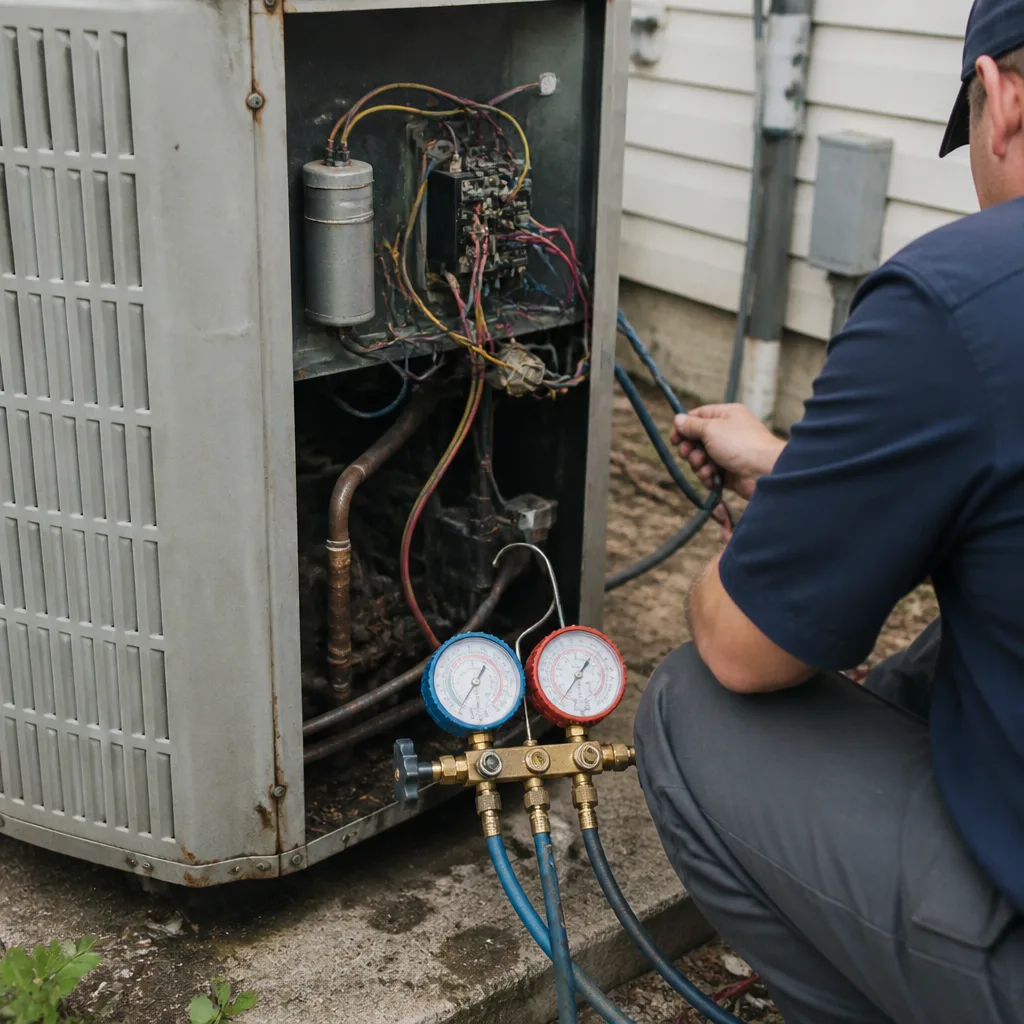 Before
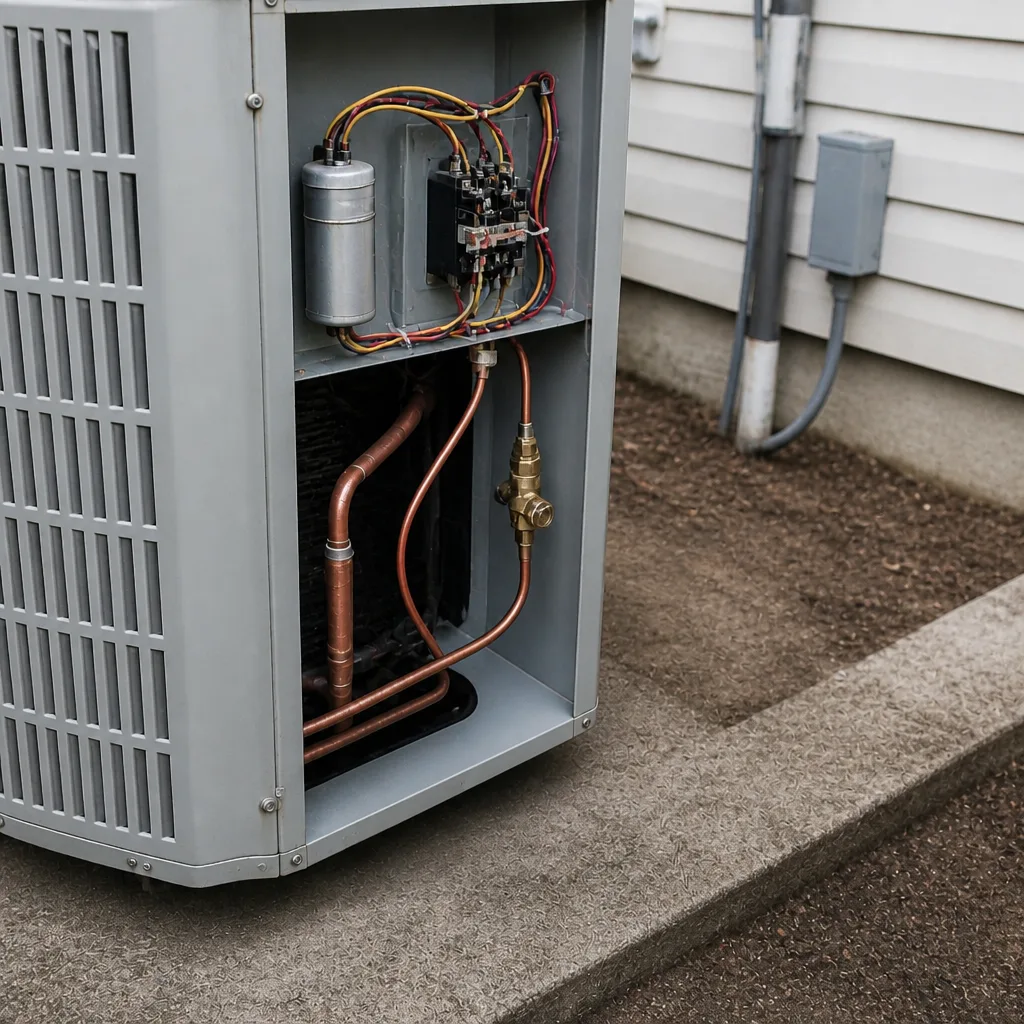 After
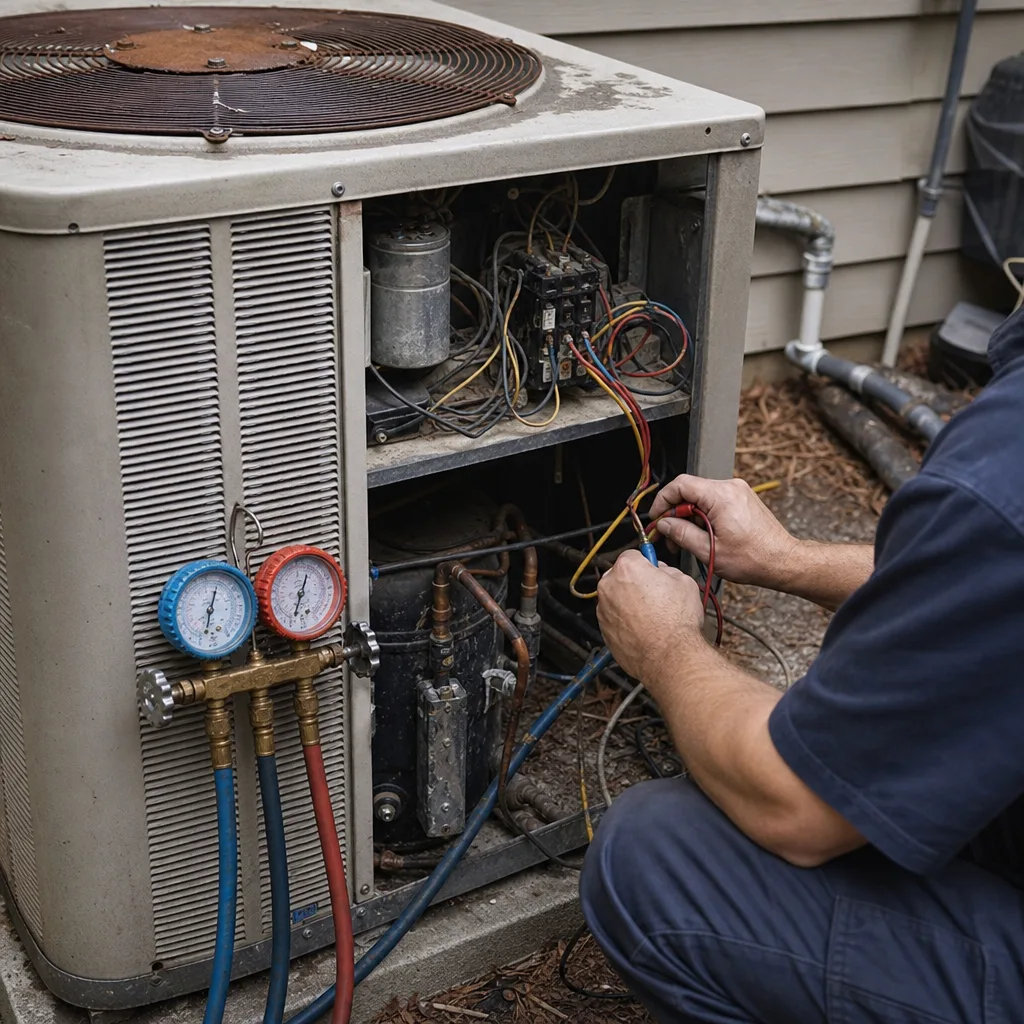 Before
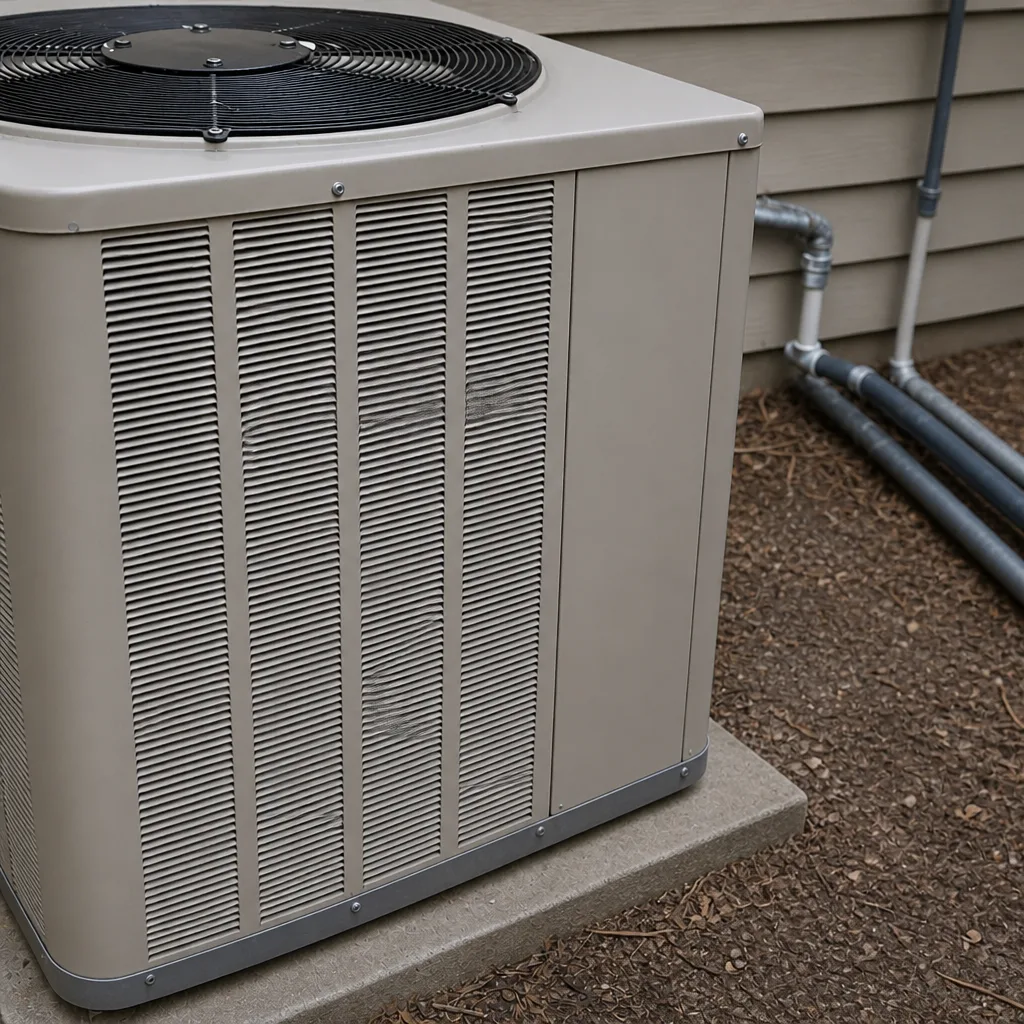 After
 Before
 After