
Last updated November 15, 2026
 AC repair
 Furnace & heating
 Heat pumps
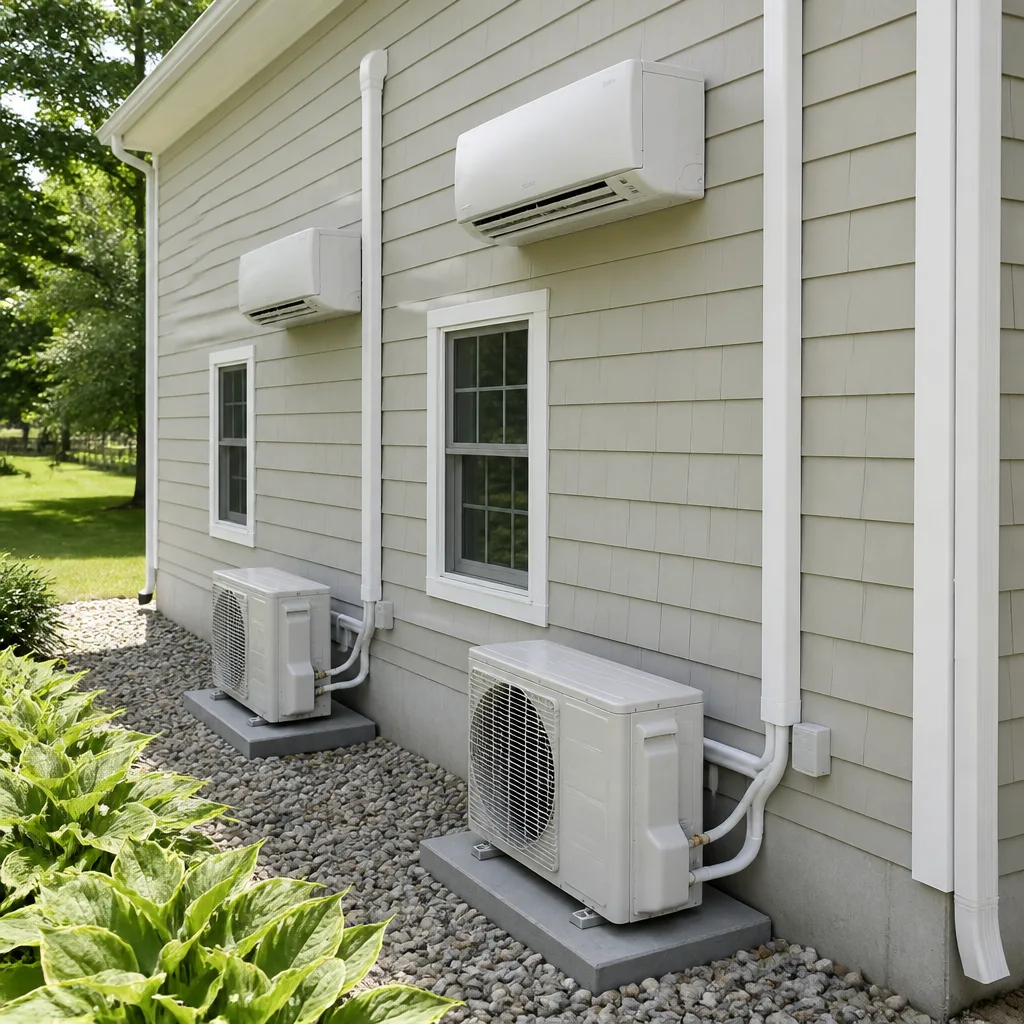 Ductless mini splits
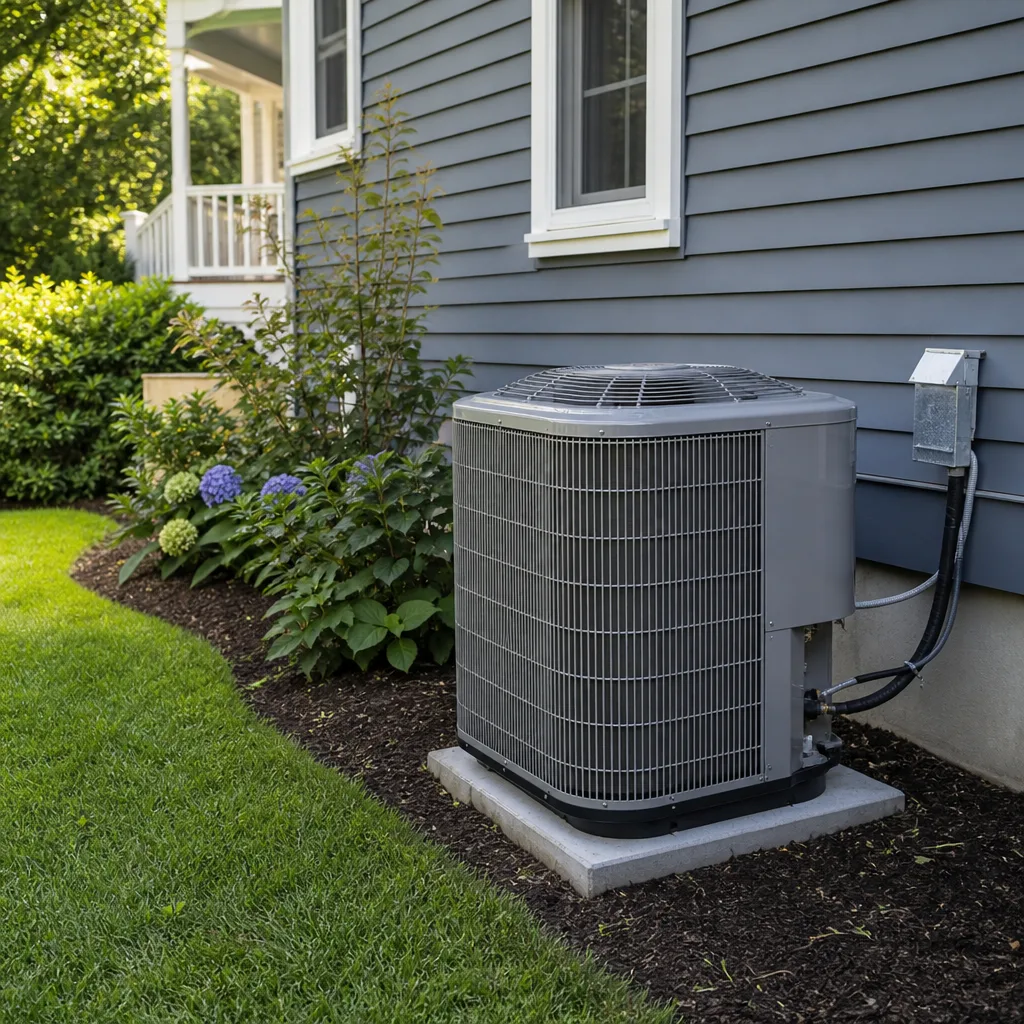 Carrier
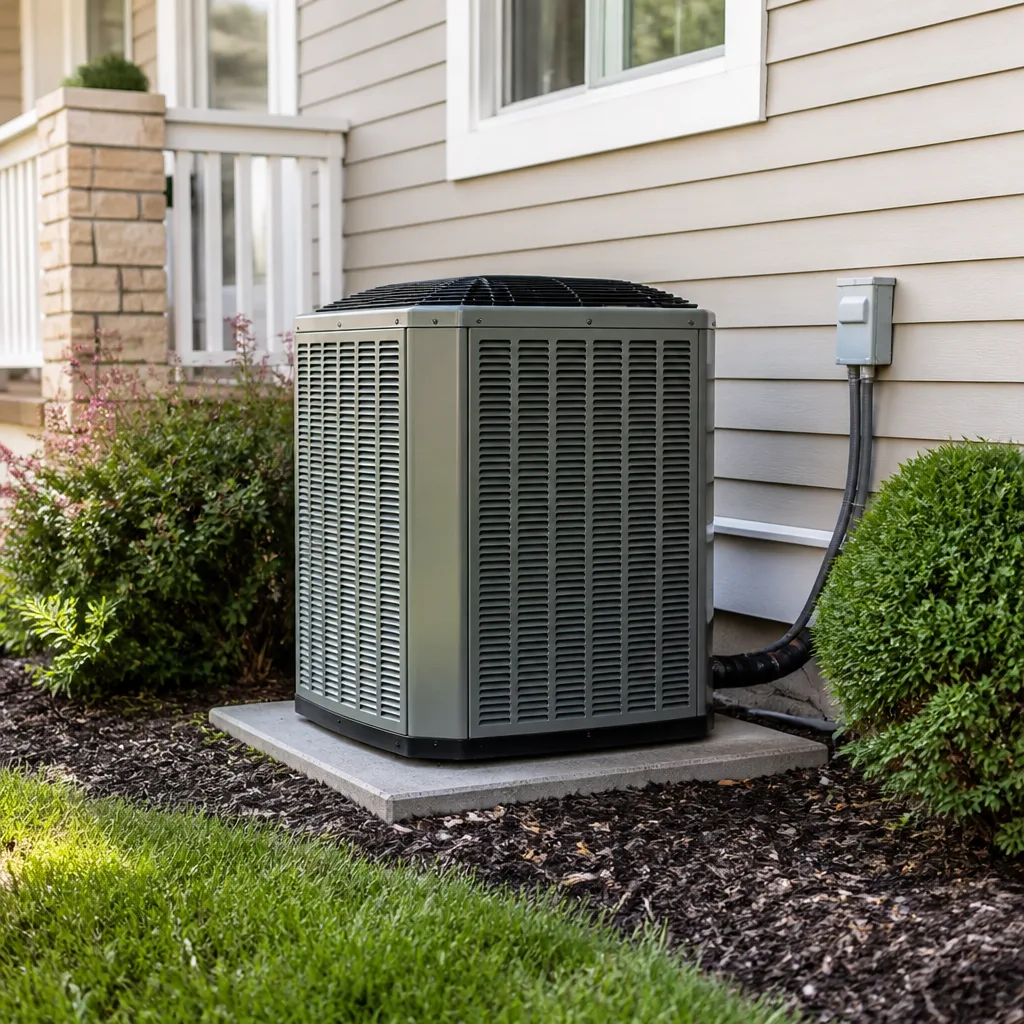 Trane
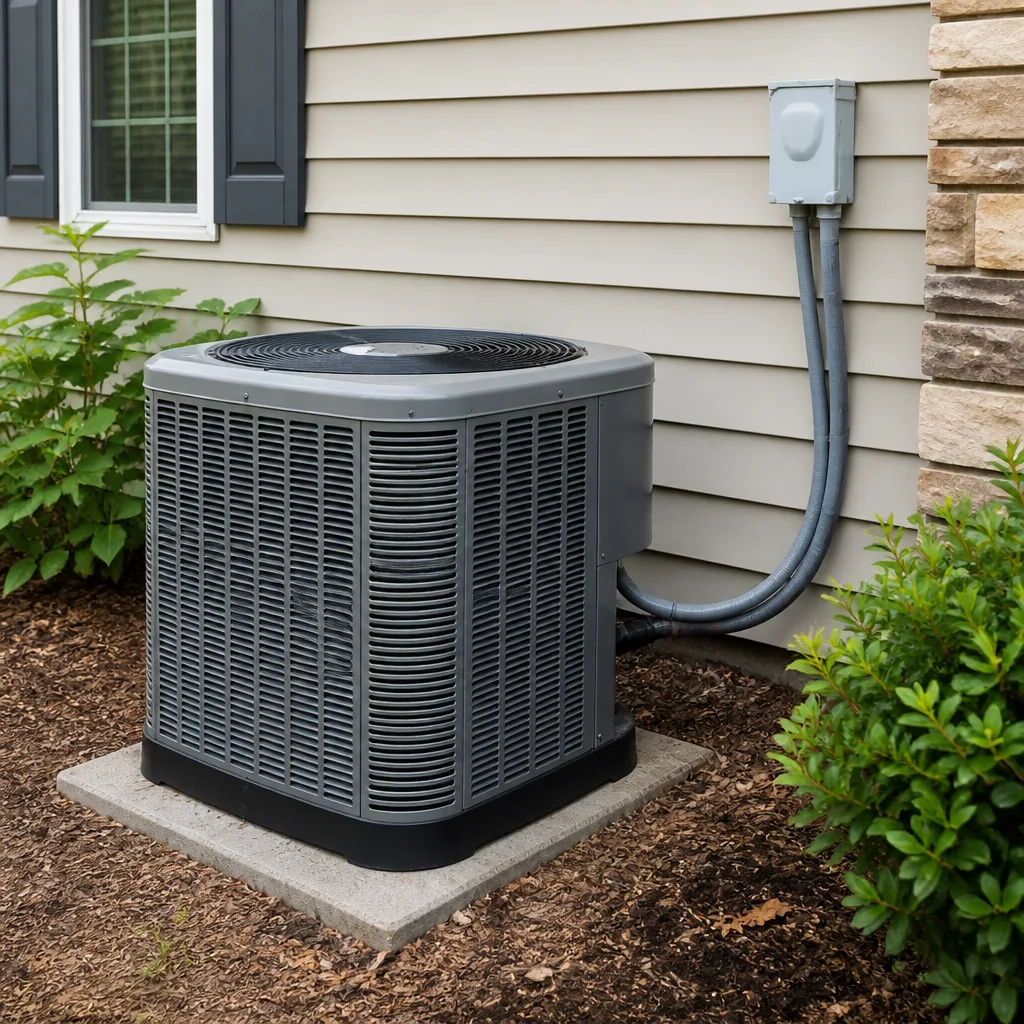 Goodman
Seasonal tune-up and full diagnostic on your Carrier, Trane, or Goodman system - readings shown to you before any repair is proposed
Diagnosis first, numbers second - you approve the repair price before a single part goes in.
Get your free estimateHVAC Warning Signs: A The Woodlands Homeowner’s Reference Guide
Most HVAC warning-sign guides read like a symptom checklist a mechanic might tape to a wall: strange noise, weak airflow, high bill, call someone. That’s not wrong, but it’s not useful either. The question worth answering is why a symptom appears and what it tells you about the machinery behind it. A squealing belt and a banging blower share almost nothing except a phone call, yet they sit at completely different points on the urgency scale. This guide translates symptoms into likely causes, sorts them by how fast you need to act, and flags the ones that The Woodlands climate amplifies. Read it once and you’ll diagnose your own system’s behavior before you spend a dollar.
Quick Answer
The most urgent HVAC warning signs are banging or grinding noises, ice on the refrigerant line, a burning smell, and repeated tripped breakers; these point to failing mechanical or electrical components and warrant a stop-use-and-call decision. Short-cycling, clammy indoor air, rising bills, and weak airflow are serious but less immediate, and usually point to refrigerant, airflow, or control problems worth diagnosing within days. In The Woodlands’ humid summers, the indoor air quality consequences of ignoring humidity-related symptoms compound every week you wait.
Styles & brands we work with
- AC repair
- Furnace & heating
- Heat pumps
- Ductless mini splits
- Carrier
- Trane
- Goodman
Table of Contents
- Symptom-to-Cause: The Translation Table
- Which Warning Signs Are Urgent vs. Monitor-and-Schedule
- Humidity as a Diagnostic Signal in The Woodlands
- Using Your Energy Bill as a Diagnostic Tool
- The Signs That Look Minor but Signal Imminent Failure
- The Signs That Are Actually Fine
- How System Age and Brand Change the Meaning of the Same Symptom
- Your Monthly Walk-Around Checklist
Symptom-to-Cause: The Translation Table
Before discussing urgency, it helps to know what each noise and behavior physically represents inside your system. An air conditioner is a loop: a compressor moves refrigerant through an indoor coil and an outdoor coil, a blower pushes household air across the indoor coil, and a fan pulls outside air across the outdoor coil. Any noise or symptom is a report from one of those four working parts, or from the electrical controls that govern them.
Here’s the translation, ordered roughly from “listen for it and note the timing” to “shut it off and call”:
- Squealing or high-pitched whine at startup. Likely a failing blower bearing, a worn belt on an older furnace, or a stressed compressor contactor. The squeal is metal-on-metal or belt slip. Note how long it lasts, since a brief chirp is less concerning than a sustained one.
- Banging or booming from the outdoor unit. Almost always a loose or failing compressor component or a fan blade striking its housing. Shut the system down at the thermostat and call. A banging outdoor unit escalates to compressor failure if run.
- Clicking at the thermostat, or rapid repeated clicks from the unit. On the thermostat side, this often signals a failing relay or a thermostat going bad. From the unit, rapid clicks suggest a contactor or control board cycling incorrectly, and that’s an electrical risk worth diagnosing promptly.
- Hissing. On the refrigerant side, hissing can indicate a leak at a joint or a pressure relief. Indoors at the furnace, hissing is more likely an airflow restriction or duct issue.
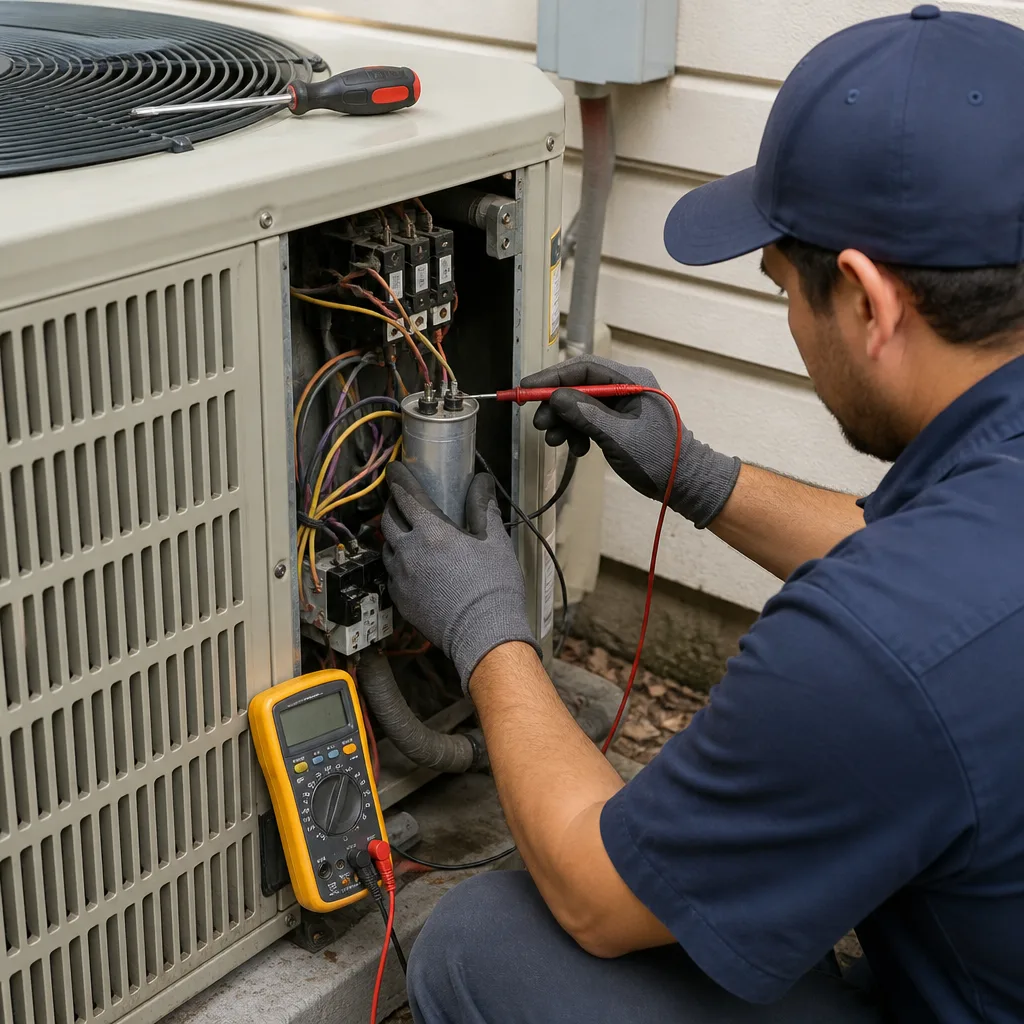
- Buzzing from the outdoor unit. Often a failing capacitor (an inexpensive part, but a run capacitor that fails mid-summer can stall the compressor) or a loose wire. Buzzing is one of the cheaper fixes when caught fast and one of the costlier ones when ignored.
- Rattling from the outdoor cabinet. Loose panels, motor mounts, or debris. Usually the least urgent of the sound signs, and often resolved by tightening or clearing.
What matters is the pairing. A squeal plus weak airflow points somewhere different than a squeal with normal airflow. That pairing is what a technician listens for during the first minutes of a diagnostic visit, and it’s what you can learn to note yourself.
Which Warning Signs Are Urgent vs. Monitor-and-Schedule
Urgency isn’t about how dramatic a symptom feels. It’s about how far the system is from a failure that either damages expensive components or creates a safety issue. Here’s the split we use in practice.
Stop-Use-and-Call (act now)
- Burning or electrical smell from the indoor unit or vents. Turn the system off at the thermostat and at the breaker. This is a potential fire safety issue and never something to run through.
- Banging or grinding from any unit. Mechanical contact inside a compressor or blower is destructive.
- Ice accumulating on the indoor or outdoor refrigerant line. Ice means the coil is starved of airflow or low on refrigerant. Running it in this state can slug the compressor with liquid refrigerant, which is a compressor-killing event.
- Repeatedly tripped breaker. An electrical fault or a failing capacitor or compressor is drawing excess current. Never reset a tripped HVAC breaker more than once before calling.
- No airflow at all with the system running. A failed blower or a frozen coil. Running the compressor without airflow damages it.
Schedule Within Days
- Short-cycling (turns on and off every few minutes). Not an immediate component risk, but it neither cools nor dehumidifies effectively, and it wears the compressor faster.
- Clammy indoor air even when the temperature is at the setpoint.
- Rising energy bills without a matching weather change.
- Weak airflow from some vents but not others.
- Minor water pooling near the indoor unit (from a clogged condensate drain, typically).
If you’re unsure which camp your symptom lives in, that itself is a reason to talk to someone. We work on nearly every major system a homeowner already has, including Carrier, Trane, Lennox, and American Standard equipment, so we can walk you through the symptom without pushing a sale. For a faster read on your specific system, see our AC repair page, which covers the diagnostic process in detail.
Humidity as a Diagnostic Signal in The Woodlands
Here’s the symptom The Woodlands climate amplifies more than almost any other: a house that feels clammy at 74°F. In a dry climate, an air conditioner mainly removes sensible heat. In The Woodlands, where the summer air is thick with moisture, a properly functioning air conditioner is doing two jobs at once: lowering the temperature and condensing water out of the air at the indoor coil. When the second job stops happening, the house can read as “cool enough” on the thermostat and still feel wrong.
That’s the counterintuitive part. A house at 74°F that feels sticky is not telling you the thermostat is set wrong. It’s telling you one of three things:
- Refrigerant charge is low. An undercharged coil runs colder than it should, ices up, and stops transferring heat. You lose dehumidification first and cooling capacity second.
- Airflow is restricted. A dirty filter, blocked return, or failing blower means less air crosses the coil, which means less condensation and less cooling. Same feeling, different cause.
- The system is short-cycling. A unit that runs three minutes and rests ten never has time to pull meaningful moisture. The temperature hovers near the setpoint while humidity stays high.
We see this play out in homes across The Woodlands in July and August, when the gap between outdoor dewpoint and indoor feels widest. If your house is cool but never dry, don’t raise the thermostat to fix it; the system needs to be diagnosed. This is a case where the fix is often cheaper than homeowners expect, because the underlying problem is usually airflow or charge, not a failed compressor.
Using Your Energy Bill as a Diagnostic Tool
A rising energy bill is a data point, not a verdict. The question worth asking is: is this bill proportional to the weather, or is it signaling a system that has started working less efficiently?
Here’s how to reason about it.
- Pull the same month from last year and the month before. Look at the kilowatt-hours, not the dollar total, since rate changes distort dollars.
- Compare the kWh increase to how much hotter this summer has been. Most utility bills state the average temperature for the period, or you can check it yourself. A modest kWh increase on a notably hotter month is normal. A 20-30% kWh jump on a month that was only a degree or two hotter is not.
- Look at runtime behavior. Does the unit run longer than it used to, or cycle more frequently? A system that runs continuously and still doesn’t reach the setpoint has lost capacity, and lost capacity is usually refrigerant or airflow.
- Check the outdoor unit’s cleanliness. A coil clogged with cottonwood fluff, grass clippings, or pet hair from the yard raises condenser pressure and makes the compressor draw more current on every cycle. This is a monthly, not annual, check here.
- Multiply the excess. If you can attribute more than about 15% of an increase to system inefficiency rather than weather, you’ve found a signal. Have the system diagnosed before the problem compounds, because a system running below efficiency for a season is a system wearing out faster.
If your bill jumped and you can’t match it to the weather, that’s worth a call. We can diagnose efficiency problems on the systems The Woodlands homeowners actually have, and give you a straight answer on whether a repair or a replacement is the better move. Our AC installation work starts the same way: with a load calculation and an honest read on whether the existing system can be brought back to health.
The Signs That Look Minor but Signal Imminent Failure
The most dangerous warning signs are the ones that don’t feel urgent. A small patch of ice on the refrigerant line looks like a curiosity. In practice, it’s often the last warning before a compressor fails, and a compressor is typically the most expensive component in the system.
Ice on the refrigerant line
Ice forms because the coil is running colder than it should. Either the airflow across the coil is low, or the refrigerant charge is low. In both cases, the coil is not absorbing heat, and the refrigerant returning to the compressor is colder than it’s designed for. Liquid refrigerant in a compressor is destructive: it does not compress, and running the system this way can bend or break internal valves. This is a shut-it-off-and-call symptom, even if the house is still cool.
A faint refrigerant or “sweet” smell from the indoor unit
Refrigerant leaks don’t always produce a smell, but when they do, it’s often a faint chemical or sweet odor near the indoor coil or the line set. In a 10-year-old system, a refrigerant smell is more likely a small, slow leak at a joint or a coil that has been slowly losing charge over seasons. In a 3-year-old system, the same smell is often a manufacturing defect in a coil, which can be a warranty matter worth documenting. Same symptom, different diagnosis, different fix. This is where brand-agnostic diagnostics matter: a Trane or Lennox system still in its early years should be evaluated for warranty coverage before anyone recommends a paid repair.
Frozen return duct or moisture across the indoor cabinet
Condensation on the cabinet, or ice on the return duct, is an airflow or insulation problem. It can lead to mold in the duct system if it isn’t addressed, and The Woodlands humidity makes that far more likely here than in drier climates. If you see this, treat it as a schedule-within-days problem rather than waiting for the seasonal service.
A breaker that “keeps tripping”
Homeowners sometimes reset a tripped breaker three or four times before deciding it’s a problem. Each reset runs current through a fault. A failing capacitor, an aging compressor, or a degraded contactor can trip a breaker. Stop resetting it and get it diagnosed.
The Signs That Are Actually Fine
A guide that flags everything as urgent is a guide that’s crying wolf. Here are the symptoms that are usually normal, so you can save your worry for the ones that matter.
- Condensation dripping from the outdoor unit in summer. This is the system doing its job. Refrigerant line sets and the outdoor coil sweat in The Woodlands humidity; that’s physics, not a leak.
- Water on the outdoor pad after a heavy rain. Not a system issue. Check for pooling that drains slowly, since standing water near the unit is a maintenance item, not a repair.
- A brief click at thermostat start or stop. Normal relay operation.
- One cycle where the system takes a minute to get going. Some systems have a short delay on the compressor after a thermostat call. Confirm this over several cycles before assuming it’s a fault.
- A quiet hum from the indoor air handler. Blower motors hum. A buzz, a whine, or a rattle is different.
- Warm air from vents for the first minute after switching from heat to cool (or vice versa). Residual air in the ducts. If it lasts longer than a couple of minutes, that’s a sign of something else.
- Ice on the outdoor unit’s top in winter heat-pump mode. Heat pumps defrost periodically by design. If the defrost cycle is short and the unit clears, that’s normal operation. If ice persists for hours, that’s a defrost-problem call.
If your symptom isn’t on either the “fine” or the “urgent” list, that’s a reason to use the phone, not to self-diagnose. We can talk through it before you schedule.
How System Age and Brand Change the Meaning of the Same Symptom
A symptom’s meaning depends on the system it’s coming from. This is where generic guides fall short. A refrigerant smell, a weak cooling call, or an electrical click can mean very different things on a five-year-old system than on a fifteen-year-old one.
System age
- Under 5 years: Most issues are installation problems, minor component faults, or early-life coil or control defects, which are often warranty matters. A young system showing a refrigerant smell is a different concern than the same smell on an older unit, because the likely cause is a defective coil, and a manufacturer may cover the part. Get the diagnosis in writing and bring the model and serial documentation.
- 5 to 10 years: Components start showing wear; capacitors, contactors, and blower motors are the usual suspects. The concern shifts from “is this a defect?” to “is this normal wear we can repair economically?”
- 10 plus years: Repairs may still be the right call, but the decision needs to weigh the cost of a repair against the remaining life of the system. A compressor failure on a 14-year-old unit is a different decision than on a 4-year-old one, and any honest technician will tell you so. This is where a brand-agnostic diagnostic matters most. On a 14-year-old American Standard, a technician who only works on one brand may lean toward replacing the whole system because that’s the easiest path. We’d rather repair what can be repaired and give you the honest math.
Brand
Brands differ in ways that affect diagnostics, not just parts. Carrier and Bryant are sister brands and often share components and control architecture, so a diagnostic on one is usually accurate on the other. Trane and American Standard likewise share a design lineage, which matters for parts availability and for the pattern of failure you’d expect to see at a given age. Lennox equipment has specific control-board and communication patterns that a technician unfamiliar with the brand can misread as a failed board. None of these brands is inherently better, but knowing the design language shortens diagnosis. Our technicians have up to 11 years of experience across nine major brands, and we work on the equipment you already have, not the equipment we’d prefer to sell.
If you’re weighing whether a repair still makes sense for your system’s age, working with a company that services nearly any brand is the difference between a complete answer and a sales pitch. That’s the reasoning behind how we run this business at Wexford AC Repair. Homeowners in The Woodlands get a diagnostic, not a script.
Your Monthly Walk-Around Checklist
Five minutes a month prevents most of the costly versions of the warnings above. Here’s what to check, in order.
- Change or inspect the filter. In The Woodlands’ dusty, humid summer, filters load faster than the packaging suggests. A restricted filter is the number-one cause of the low-airflow symptoms described above.
- Walk to the outdoor unit and look at the coil. Cottonwood fluff, grass, and leaves clog the fins. Rinse gently from the inside out when the system is off and you can see grime.
- Listen for a full cycle. Stand near the unit for one start, run, and stop. Any squeal, bang, buzz, or rapid click is worth noting.
- Look at the condensate drain and pump. A small amount of dripping inside the cabinet is fine only if the drain is clear. Standing water is a problem.
- Feel the supply registers on a few rooms. Uneven airflow or a stuffy return points to a duct issue.
- Check the thermostat behavior. Note how many cycles the system runs per hour on a hot day. More than about three cycles per hour on a properly sized system is a short-cycling signal.
- Watch the bill. Once a month, look at kWh and compare it to the prior month’s weather.
Anything out of the ordinary from this list is worth a conversation. A quick call now saves the diagnostic fee later.
Common Mistakes to Avoid
- Resetting a tripped breaker more than once. A breaker trips for a reason. Repeated resets push current through a fault. Call for a diagnosis instead of testing the breaker’s patience.
- Running the system with ice on the refrigerant line. A cold house is not a safe house when the compressor is being fed liquid refrigerant. Shut it off.
- Raising the thermostat to fix a clammy house. Lowering the temperature won’t add dehumidification. In The Woodlands, the problem is nearly always airflow or charge, not the setpoint.
- Adding refrigerant without finding the leak. A “top-off” that charges the system without locating the leak just delays the same call. A leak will lose the charge again.
- Assuming a young system means a cheap fix. A defect on a young Carrier system may be a warranty matter, but it’s still a diagnostic visit, and the warranty paperwork has to be handled correctly to get it covered.
- Buying a new system on a single failed component. On a system less than ten years old, a failed capacitor or blower is a repair, not a replacement trigger. Get a second diagnostic if the first one sounds like a sales pitch.
- Ignoring a weird smell. A faint refrigerant or electrical smell is a specific signal, not a nuisance. Turn the system off if the smell is electrical and call.
See the difference
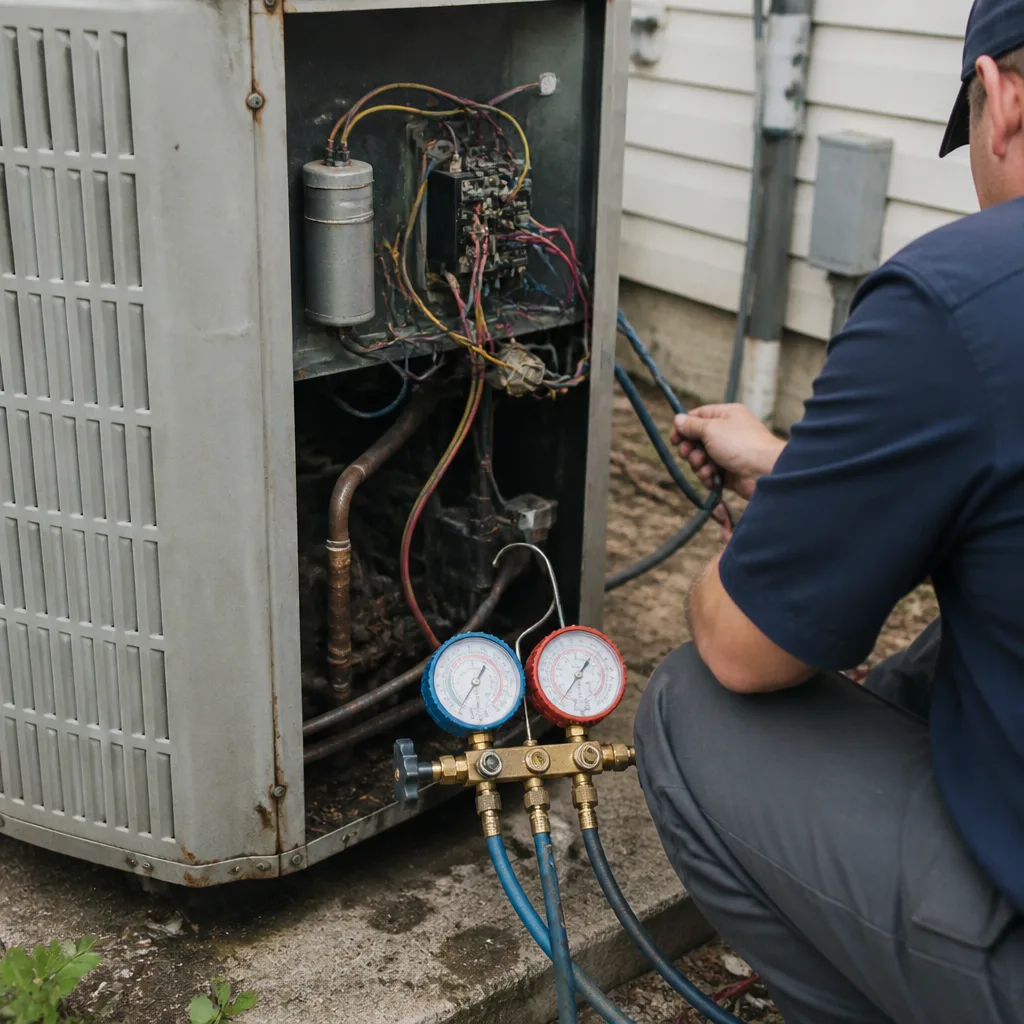 Before
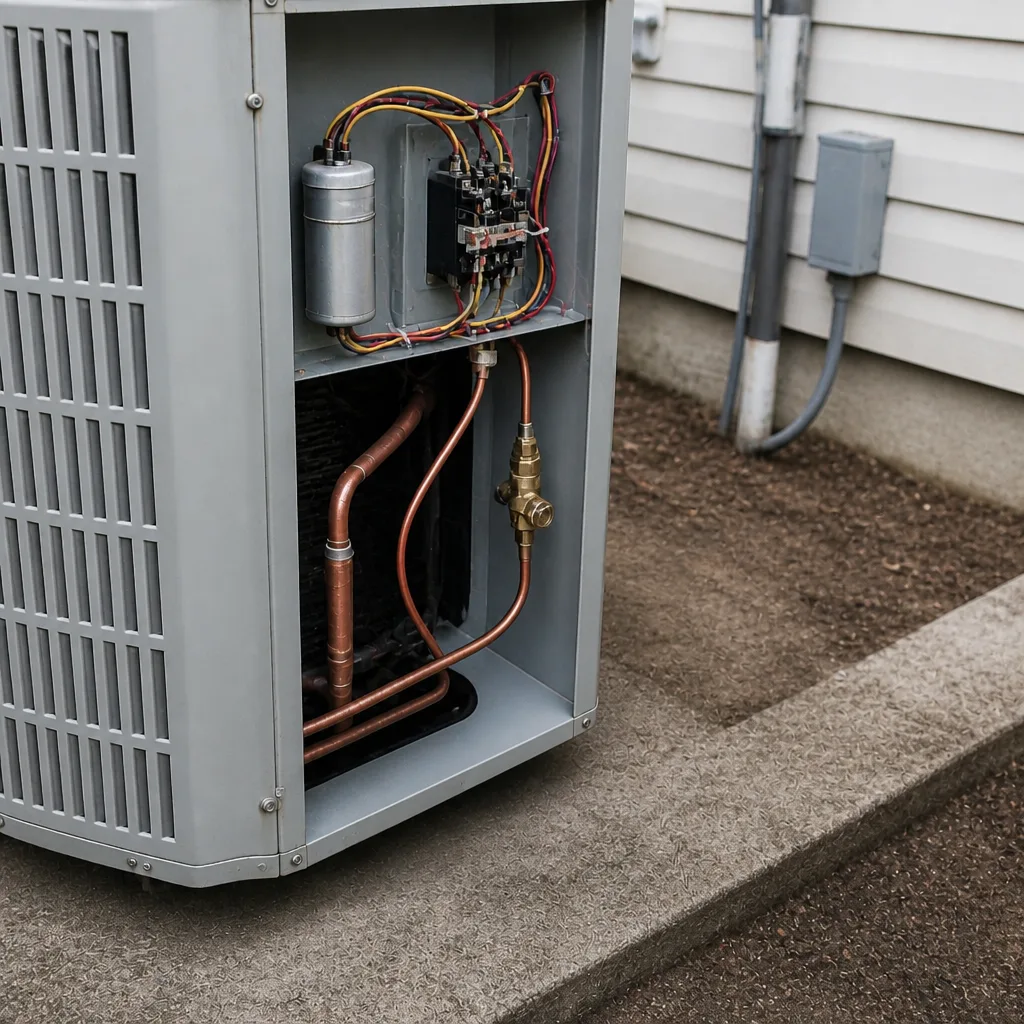 After
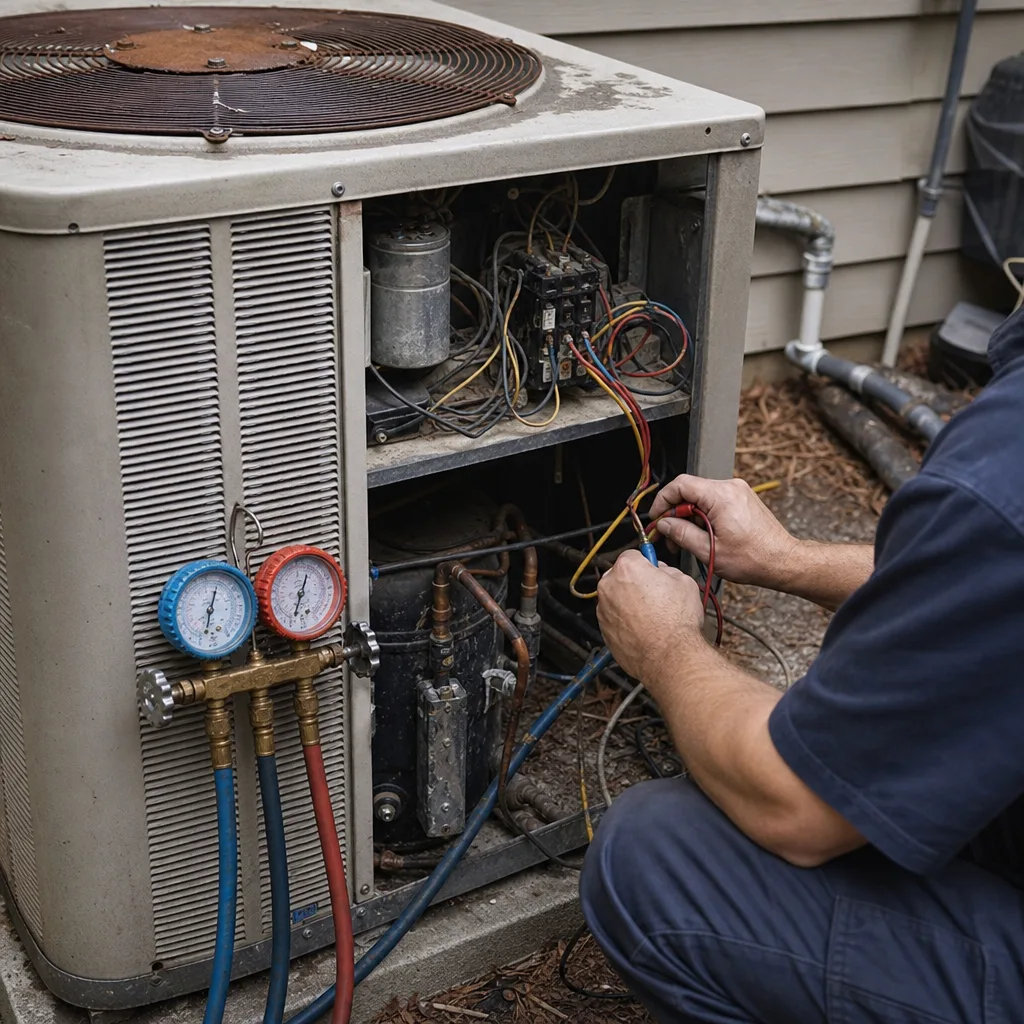 Before
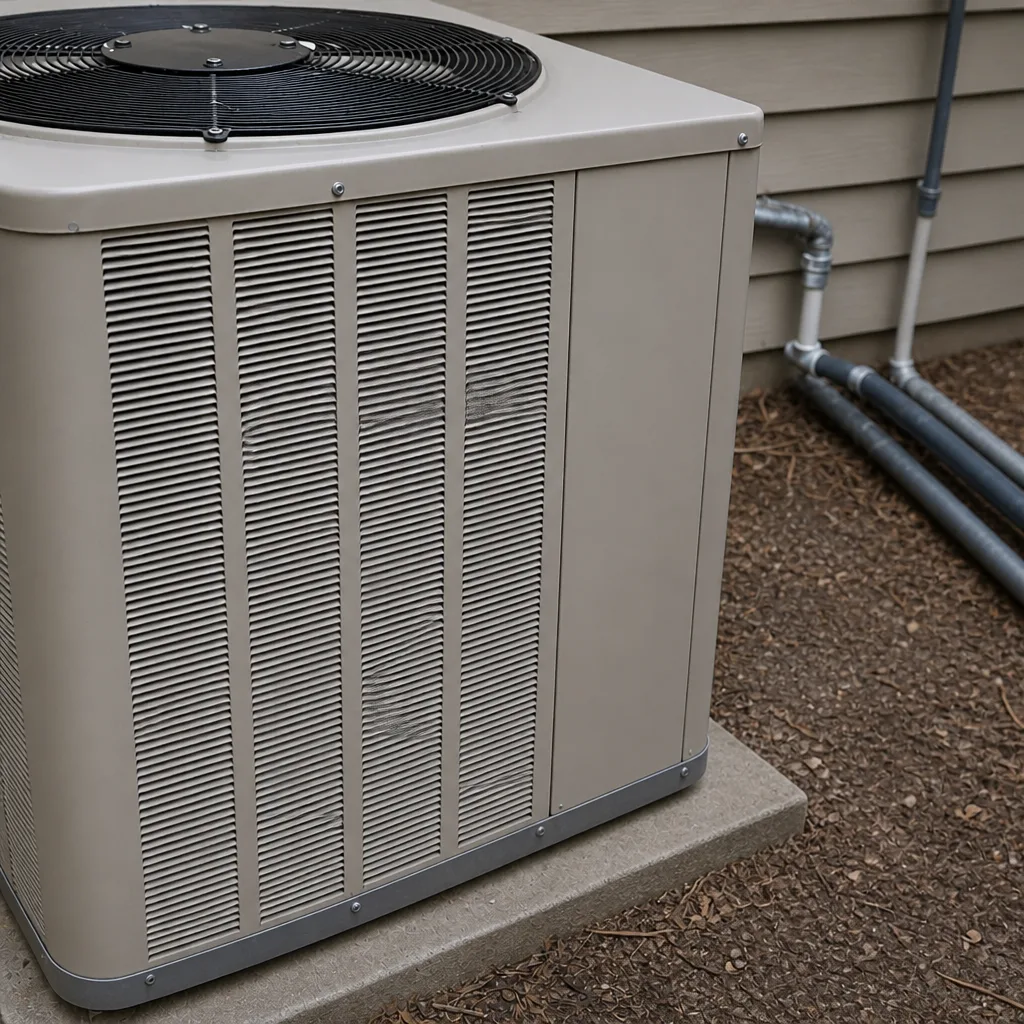 After
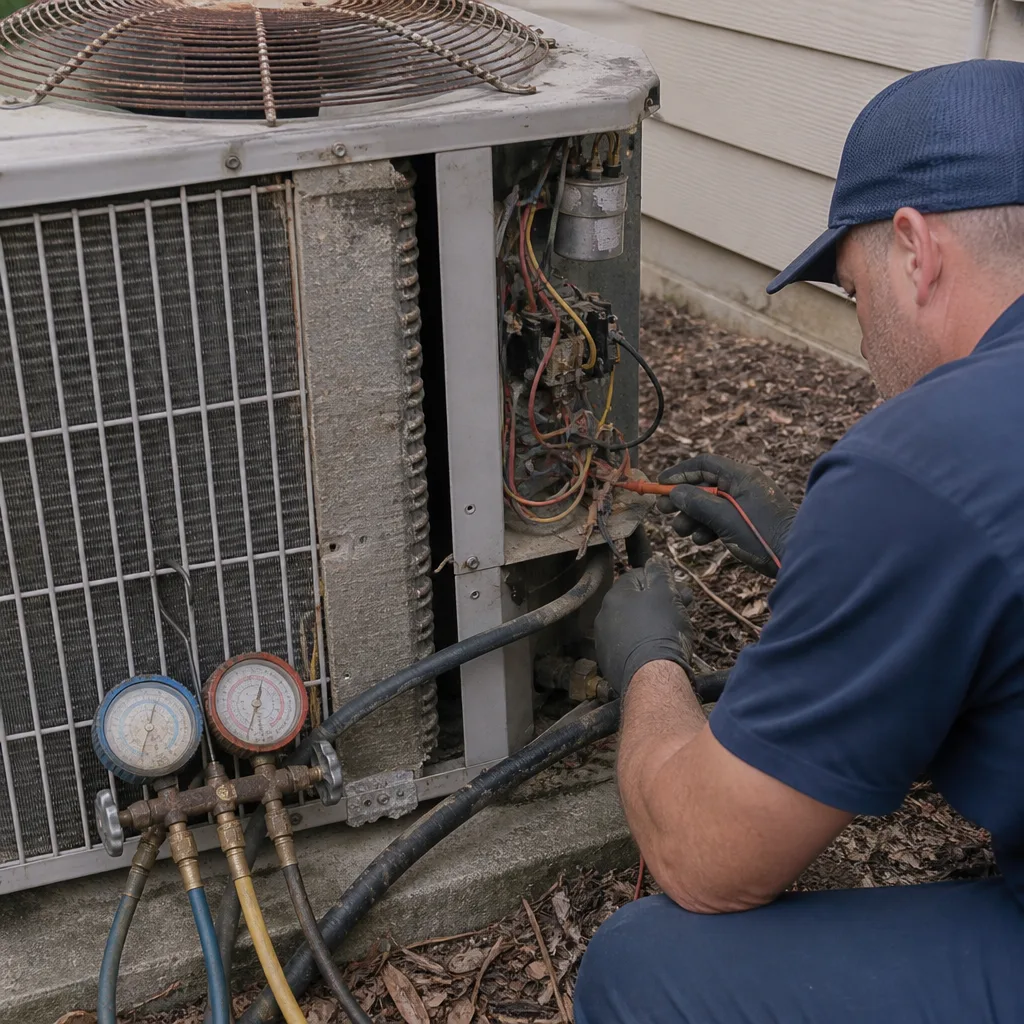 Before
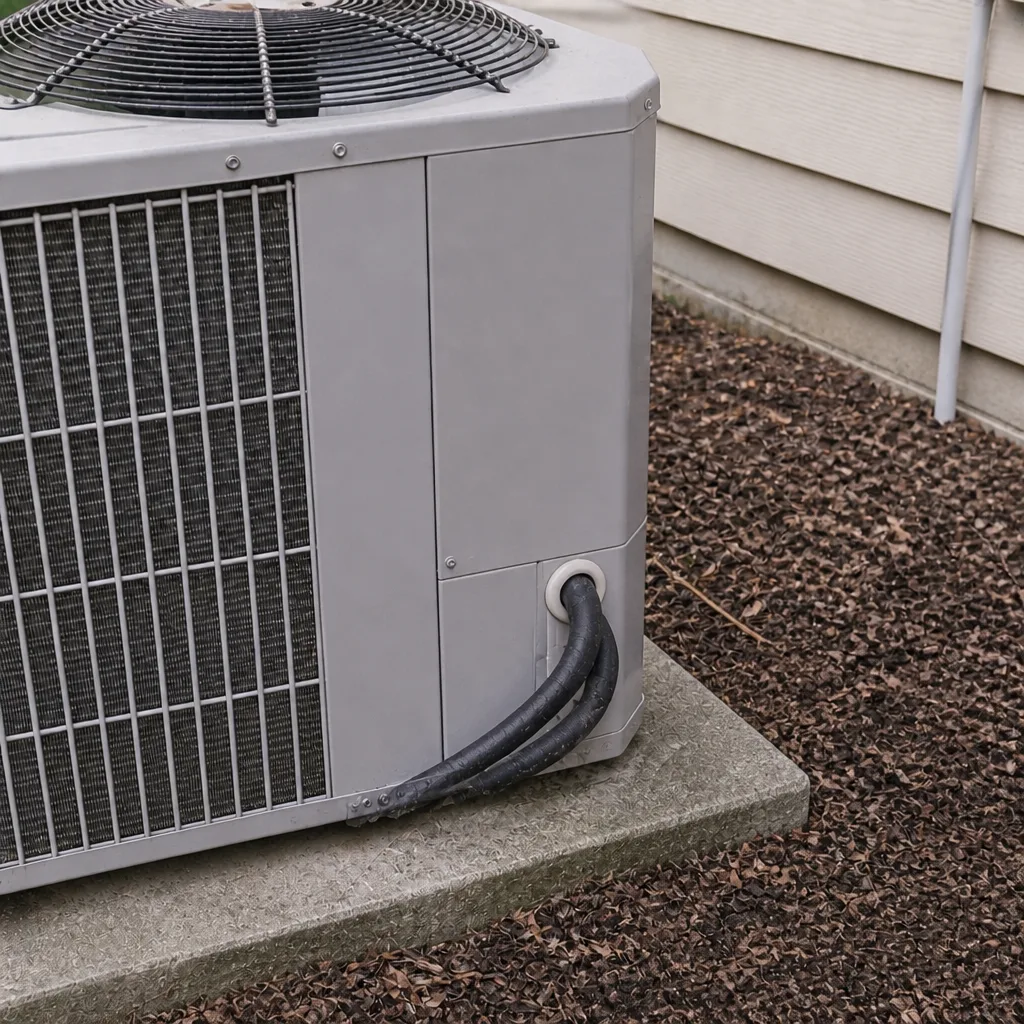 After
When to Call a Professional
Call a professional if any of the following apply: banging, grinding, or metallic noise from any part of the system; ice on the refrigerant line or indoor coil; a burning or electrical smell; a breaker that has tripped more than once; a home that stays clammy when the thermostat is satisfied; a system that short-cycles more than three times an hour on a hot day; a bill that has jumped 15% or more without a matching weather change; or any symptom that has persisted for more than a week. These are the situations where the diagnostic answer is worth having, not where a DIY fix is likely. On electrical components in particular, a trained technician is the right person, and we’d rather you call than experiment. Wexford AC Repair offers free estimates in The Woodlands. Call (866) 834-7590. We answer 24/7. Fast dispatch from 7am to 7pm, Sunday through Friday.
Frequently Asked Questions
Short-cycling. Most people notice a system that won’t cool, but a system that turns on and off every few minutes feels “normal” because the house stays close to the setpoint. In The Woodlands, short-cycling is also a hidden dehumidification failure, and it wears the compressor faster than a system that runs long cycles. If you’re counting more than three cycles an hour on a hot day, that’s the sign to get diagnosed.
No. Ice on the refrigerant line means the coil is running too cold, from low airflow or low refrigerant charge, and the compressor is at risk. Turn the system off at the thermostat and call. Running it while iced is the fastest way to turn a repairable issue into a compressor replacement.
Not usually. A clammy house at a normal temperature is almost always an airflow or refrigerant-charge problem, not a thermostat issue. The system is cooling the air but not condensing enough humidity out of it, which is a signal to get the system checked, not to adjust the thermostat. In The Woodlands, this is one of the most common summer service calls.
Yes. We service nine major residential brands, including Carrier, Trane, Lennox, and American Standard, and our diagnostics are brand-neutral. The recommendation we make is based on your system’s condition, not on a preferred manufacturer. If you want a second opinion before authorizing a repair, that’s also fine.
It depends on the weather. Compare the current month’s kilowatt-hours to the same month last year and to how much hotter this summer has been. A 25% jump on a month that was only slightly hotter is a signal; the same jump on a record-hot month is not. When in doubt, a diagnostic will tell you whether the system is drawing excess current.
We answer 24/7. A call outside dispatch hours is booked into the next opening, Sunday through Friday, 7am to 7pm. You’ll describe the symptom, and if it’s an urgency-flag symptom like ice or banging, we’ll tell you to shut the system down and get you on the schedule. Estimates are free.
The Bottom Line
The point of this guide is that symptoms aren’t random. Each one translates into a mechanical cause, and each cause has a different urgency level. The most costly mistakes come from treating a minor-looking symptom (ice on the refrigerant line) as a wait-and-see, and treating a genuine component failure (a banging compressor) as something to run through. In The Woodlands’ humid climate, the dehumidification symptoms matter more than they would in a drier place, because a system that’s short-cycling or low on charge isn’t just inefficient; it’s leaving moisture in your home. The five-minute monthly check catches most of this early. Call if something looks off.
Wexford AC Repair provides three focused services for the systems homeowners already have: AC repair, AC installation, and furnace repair. We service Carrier, Trane, Lennox, Goodman, Rheem, York, Daikin, Bryant, and American Standard equipment. Our diagnostics are brand-neutral, and our goal on every visit is the same: fast diagnosis, honest answer, repair what can be repaired.
Ready to put a name to the symptom? Call (866) 834-7590 for a free estimate. We answer 24/7. Fast dispatch from 7am to 7pm, Sunday through Friday.
Written by the team at Wexford AC Repair.