
Last updated November 15, 2026
 AC repair
 Furnace & heating
 Heat pumps
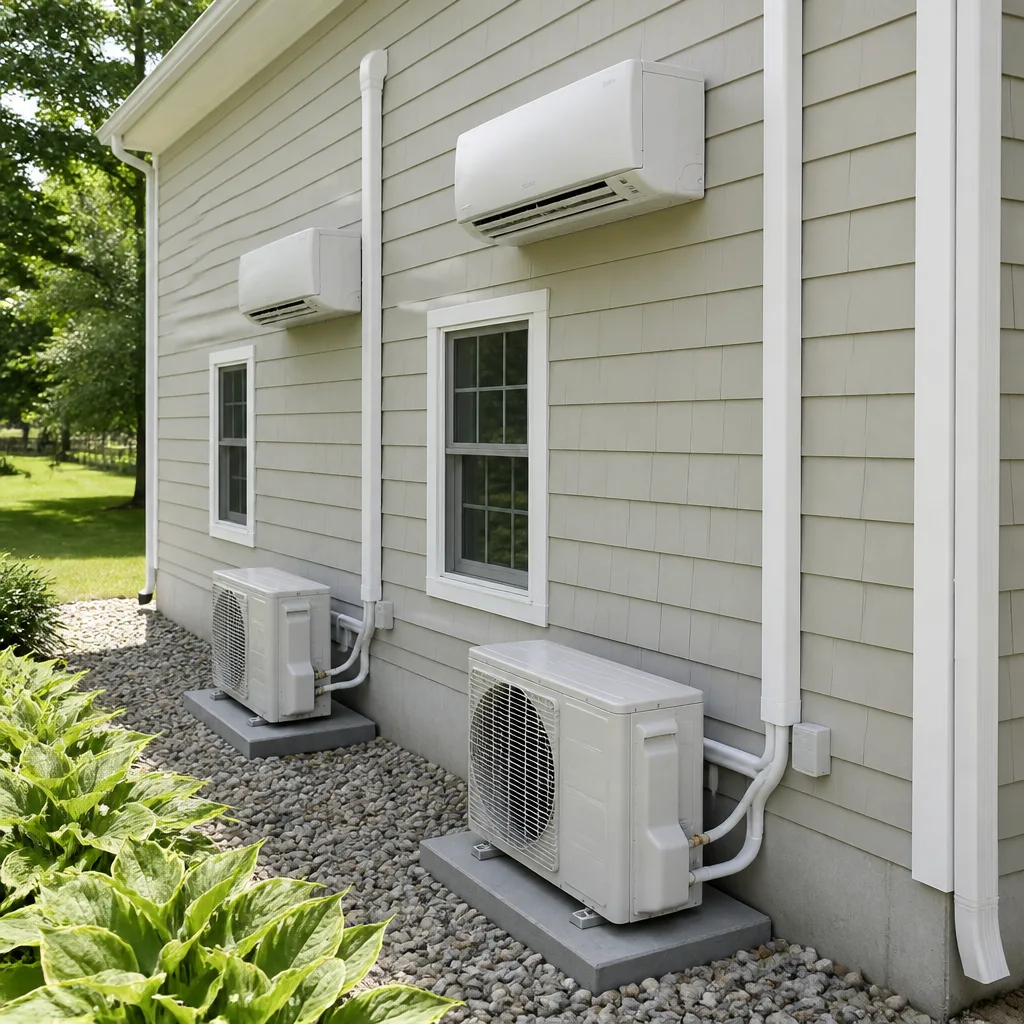 Ductless mini splits
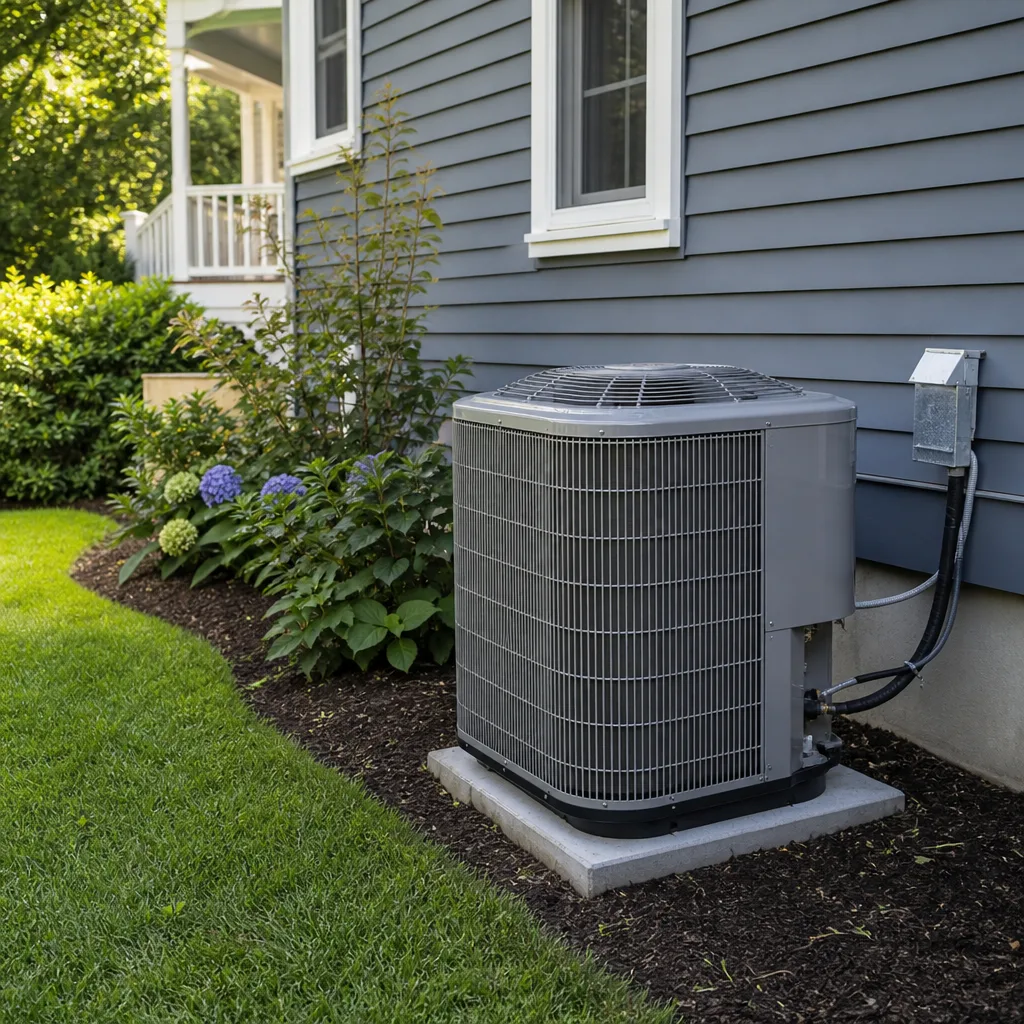 Carrier
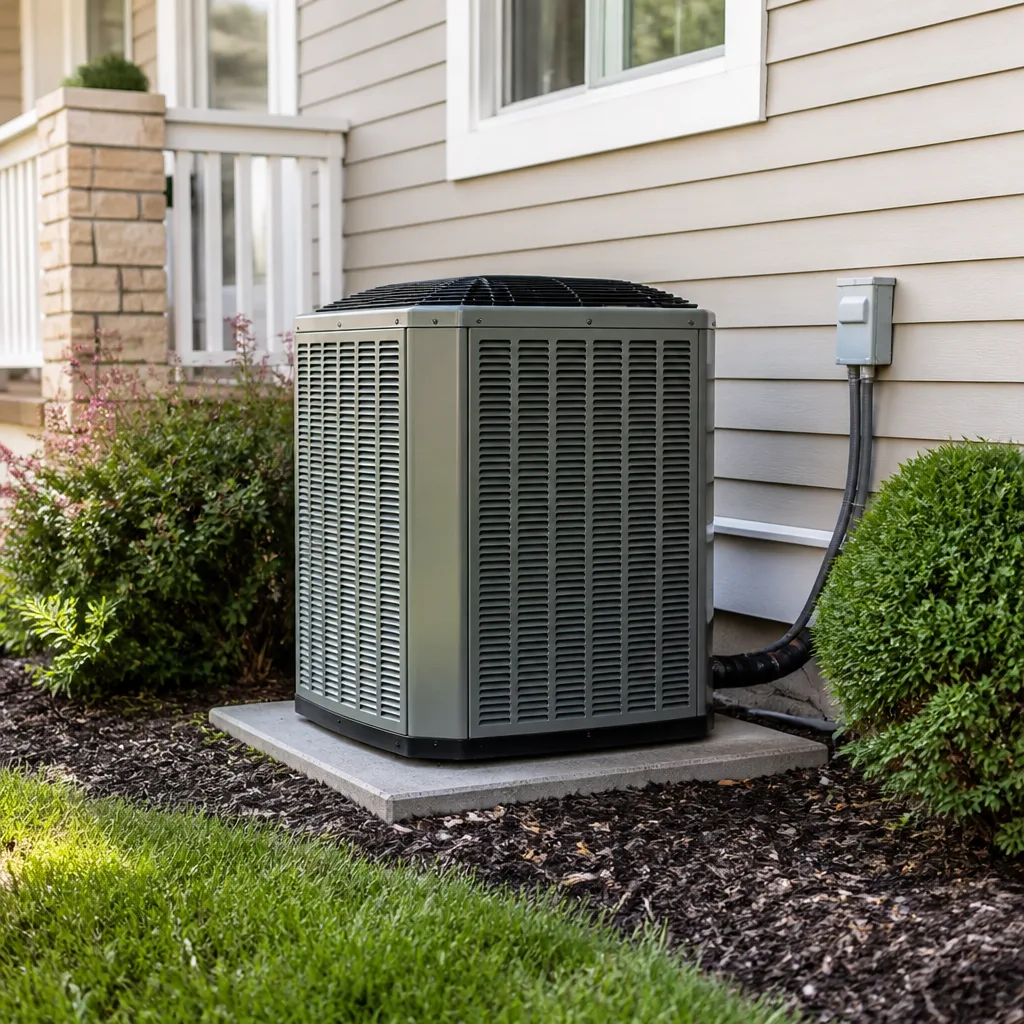 Trane
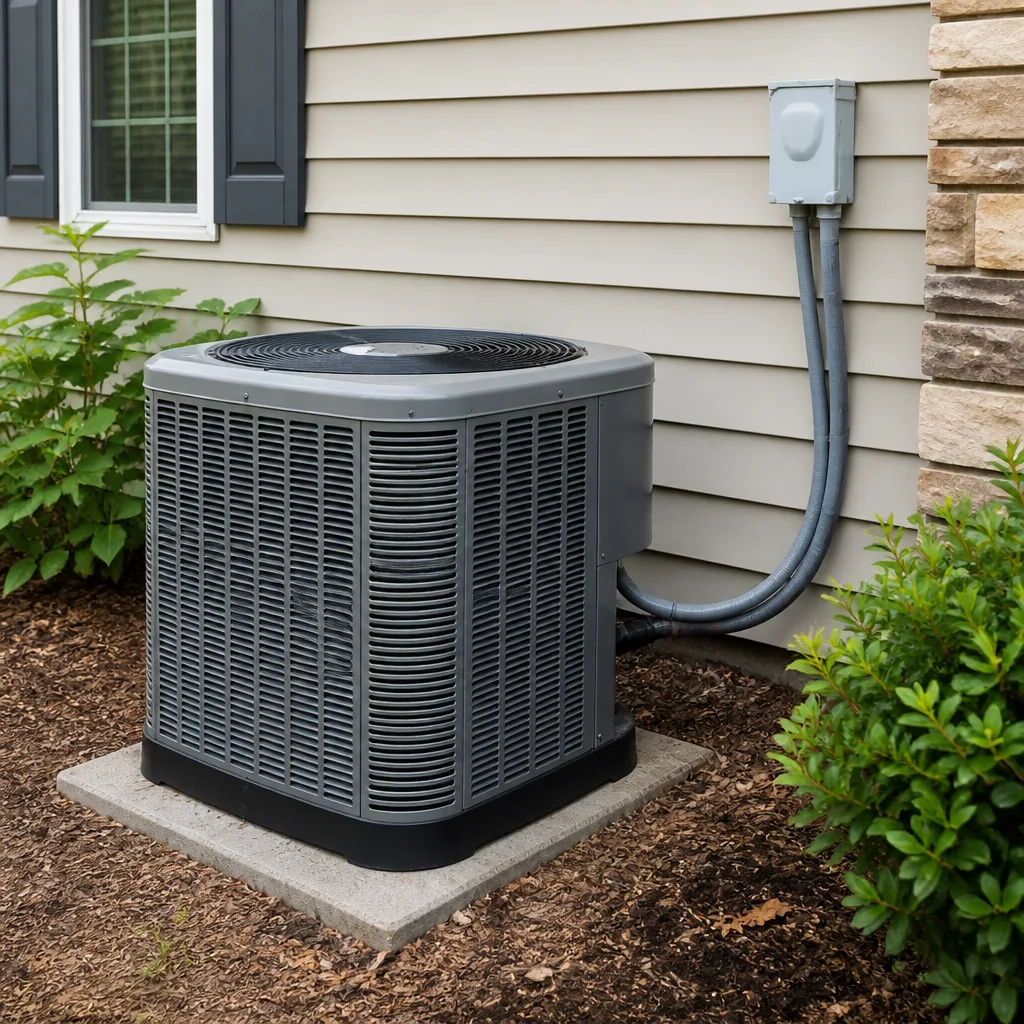 Goodman
Seasonal tune-up and full diagnostic on your Carrier, Trane, or Goodman system - readings shown to you before any repair is proposed
Diagnosis first, numbers second - you approve the repair price before a single part goes in.
Get your free estimateHVAC Emergency Preparedness Guide for The Woodlands Homes
Most homeowners treat a broken air conditioner like a flat tire: annoying, but fixable whenever someone gets around to it. During a July heat advisory in The Woodlands, that assumption gets tested hard. When overnight temperatures stay in the low 80s and the afternoon heat index climbs past 105°F, a failed compressor stops being an inconvenience and becomes a health question, especially for households with older parents, infants, or pets. The people who come through a breakdown well aren’t luckier than their neighbors. They made a few decisions in advance: they know how to read their own system, they know what to say when they call for help, and they know when to stop troubleshooting and get a professional on the line. This guide walks through all three, plus the pre-season checks that head off most summer failures before they start.
Quick Answer
If your AC fails in The Woodlands, the first 20 minutes matter more than the next 20 hours. Check the thermostat, breakers, air filter, and outdoor unit for obvious faults before you call, then get your system’s age, brand, and symptoms in front of a technician quickly. If the indoor temperature climbs toward 90°F with vulnerable people in the house, treat it as a heat-safety matter and cool the household first while a repair gets scheduled. Call (866) 834-7590. We answer 24/7. Fast dispatch from 7am to 7pm, Sunday through Friday.
Styles & brands we work with
- AC repair
- Furnace & heating
- Heat pumps
- Ductless mini splits
- Carrier
- Trane
- Goodman
Table of Contents
- Why an HVAC failure is a health event in The Woodlands
- How to triage your system in the first 20 minutes
- Heat safety thresholds by household member
- What to tell the dispatcher
- Temporary cooling while you wait
- Pre-season prep that prevents most emergencies
- Repair or replace under pressure
- Common mistakes to avoid
Why an HVAC Failure Is a Health Event in The Woodlands
An HVAC failure in The Woodlands lands differently than it does in most of the country. The region’s humid subtropical climate means summer heat doesn’t just peak and fall; it lingers. Overnight lows in July and August often sit in the upper 70s, which means a house without cooling has no natural recovery window. Your body never gets the overnight reset it needs, and by the second day of a failure, heat stress becomes cumulative.
Here’s the uncomfortable part. Most homeowners don’t discover the gap in their plan until the phone lines are already busy. When a heat advisory hits a region this size, everyone’s AC fails within roughly the same 48-hour window, and scheduling fills up fast. A household with no plan ends up calling down a list of companies, waiting, and making decisions in a hot house with a headache.
What actually breaks during a heat wave
We’ve seen the same failure pattern again and again in the region’s housing stock. High heat and constant run times punish the same components first:
- Capacitors – the cheap, front-line part that starts the compressor and fan motor. The most common single-point failure in a summer breakdown.
- Compressor contactors – the switch that carries full compressor current; pitted contacts cause intermittent starts.
- Dirty condenser coils – reduced airflow makes the compressor work harder and run hotter until it trips a safety or fails outright.
- Refrigerant leaks – low charge means reduced cooling capacity that gets progressively worse.
- Blower motors – long run times wear bearings and run capacitors in the air handler.
The important distinction for a homeowner under pressure: a failed capacitor is a fast, straightforward repair. A seized compressor is not. Knowing which one you’re looking at changes how you plan your next day.
How to Triage Your System in the First 20 Minutes
Not every failure is a failure. A meaningful share of “my AC stopped working” calls resolve to something the homeowner can fix or identify in the first 20 minutes, and doing those checks before you call gets help to your door faster and more accurately. This is not a DIY repair guide. It’s a filter that tells you what kind of problem you’re facing.
Run these checks in order
- Confirm the thermostat is calling for cooling. Mode set to “cool,” setpoint below room temperature, fan on “auto.” A thermostat in the wrong mode looks identical to a dead system.
- Check the air filter. A clogged filter chokes airflow and can freeze the indoor coil, which shuts down cooling entirely. A dirty 1-inch filter in a Texas summer can clog within weeks.
- Reset the breaker. Find the indoor air handler breaker and the outdoor condenser breaker. If either is tripped, reset it once. If it trips again, stop. A breaker that keeps tripping means a fault in the circuit that needs a technician.
- Look and listen at the outdoor unit. Is the fan spinning? Is the compressor running (a low hum) or silent? Does it start and stop in short cycles? Is there ice on the lines? Those observations are diagnostic gold.
- Check the condensate drain and float switch. Many modern air handlers have a float that shuts the system down when the drain pan fills. A cleared drain can restore cooling instantly.
If the system cools after a reset or a filter change, you’ve bought yourself time, but you haven’t resolved anything. If the outdoor unit is silent, fan not spinning, or the breaker trips repeatedly, stop and call. Call (866) 834-7590. We answer 24/7. Fast dispatch from 7am to 7pm, Sunday through Friday.
Heat Safety Thresholds by Household Member
Indoor heat risk is not the same for everyone. A healthy adult can usually manage short spells at 85°F indoors with fans and water. An infant, an elderly relative, or a pet cannot. Knowing the number matters, because it tells you when to leave the house instead of toughing it out.
Rough thresholds to plan around
- Elderly adults – indoor temperatures in the upper 80s and above become dangerous, particularly for those on blood-pressure or heart medications that affect sweat response. Confusion and fatigue are warning signs. If an older family member is sweating, sluggish, or unusually quiet, act.
- Infants and toddlers – young children don’t regulate body temperature as efficiently and can’t always communicate heat discomfort. Keep the room below the mid-80s if possible and watch for hot skin, fussiness, or lethargy.
- Pets – dogs and cats have limited cooling capacity. Flat-faced breeds, heavy-coated breeds, and older animals struggle well before humans notice.
- Anyone with heart, lung, or kidney conditions – heat stress compounds existing conditions. Treat an indoor cooling failure as urgent, not inconvenient.
The Woodlands Township maintains cooling centers during heat advisories, typically at community and library facilities. When the indoor temperature approaches those thresholds and you have vulnerable household members, get them to a cooled space rather than waiting for the repair. Check the Township’s website or local news for current cooling center locations during an advisory. It’s the difference between a hot afternoon and a real emergency.
What to Tell the Dispatcher When You Call
The quality of the call determines the quality of the visit. A dispatcher who knows your system and your symptoms can assign a technician who recognizes the brand and, possibly, arrive with the likely part in hand. A vague call gets a generic appointment that shows up without the right equipment.
The exact information that speeds your call
- System brand and approximate age. “Goodman, about 12 years old” tells a dispatcher something real. Brand matters because a brand-trained technician recognizes known failure patterns and common parts for that equipment.
- What you’ve already observed. “Outdoor fan isn’t turning, indoor blower runs fine, thermostat is calling” is far more useful than “it’s not cooling.”
- Whether the breaker tripped and whether it stays on. A tripping breaker changes the call from a diagnostic to a fault-finding job.
- Whether the system is running at all or short-cycling. “Runs for five minutes then shuts down” and “completely silent” are two different visit types.
- Any recent changes. A recent power surge, a recent filter change, a recent outage. Context helps.
- Household heat risk. If there’s an infant, an elderly resident, or anyone medically fragile in the home, say so at the start. That’s the information that changes scheduling priority.
One more thing: whether you can be at the property when the technician arrives, and whether your outdoor unit is accessible. A gate that’s locked or a unit buried behind shrubs adds trips.
Wexford AC Repair handles Carrier, Trane, Lennox, Goodman, Rheem, York, Daikin, Bryant, and American Standard systems. When you call, your brand goes into the dispatch note, and the technician who arrives has experience with the equipment rather than a crash course on arrival.
Temporary Cooling While You Wait
The right temporary strategy depends on how hot it is and who’s in the house. Here’s the sequence we recommend in The Woodlands when help is scheduled but not yet arrived.
Steps that work
- Close blinds and interior window coverings on sun-facing windows. Solar gain through west-facing glass can add several degrees to a room by mid-afternoon.
- Seal the envelope. Close exterior doors, and if you have an attic hatch, make sure it’s fully seated. Hot attic air finds gaps.
- Run ceiling and floor fans and box fans. Air movement doesn’t drop the air temperature, but it increases evaporative cooling on the skin significantly. Place a fan in a window facing out to pull hot air from the house in the evening.
- Cool a single room rather than fighting the whole house. One cool room with a fan, blinds closed, and door shut is easier to maintain than a whole home. Move vulnerable family members there.
- Drink water and avoid using the oven or stove. Cooking adds heat and humidity inside the home exactly when you’re trying to remove both.
- Consider a bridge window unit. A single-room window AC can hold a bedroom or living room comfortably through a short repair window. Buy one sized for the room (roughly 300-400 sq ft for a common 8,000-10,000 BTU unit; larger rooms need more).
What not to buy
Cheap evaporative “swamp coolers” are a poor bridge in a Texas summer. They add humidity rather than remove it, and in a humid subtropical climate they can make a room feel worse. Portable AC units with a window exhaust kit will cool a room, but their cooling capacity is limited and they underperform in really hot weather. A properly sized window AC is generally the more reliable short-term buy.
Pre-Season Prep That Prevents Most Emergencies
You can’t prevent every failure, but three checks catch most of the ones that matter before peak season. We’re not going to tell you to disassemble the outdoor unit. This is about identifying the biggest vulnerabilities early enough to schedule a repair on your terms rather than in a heat advisory.
The three checks that matter most
- The air filter. Change it every month during peak cooling season, every two months otherwise. A dirty filter is the single most common cause of avoidable diagnostics visits. In a hot, dusty summer it can choke airflow within weeks.
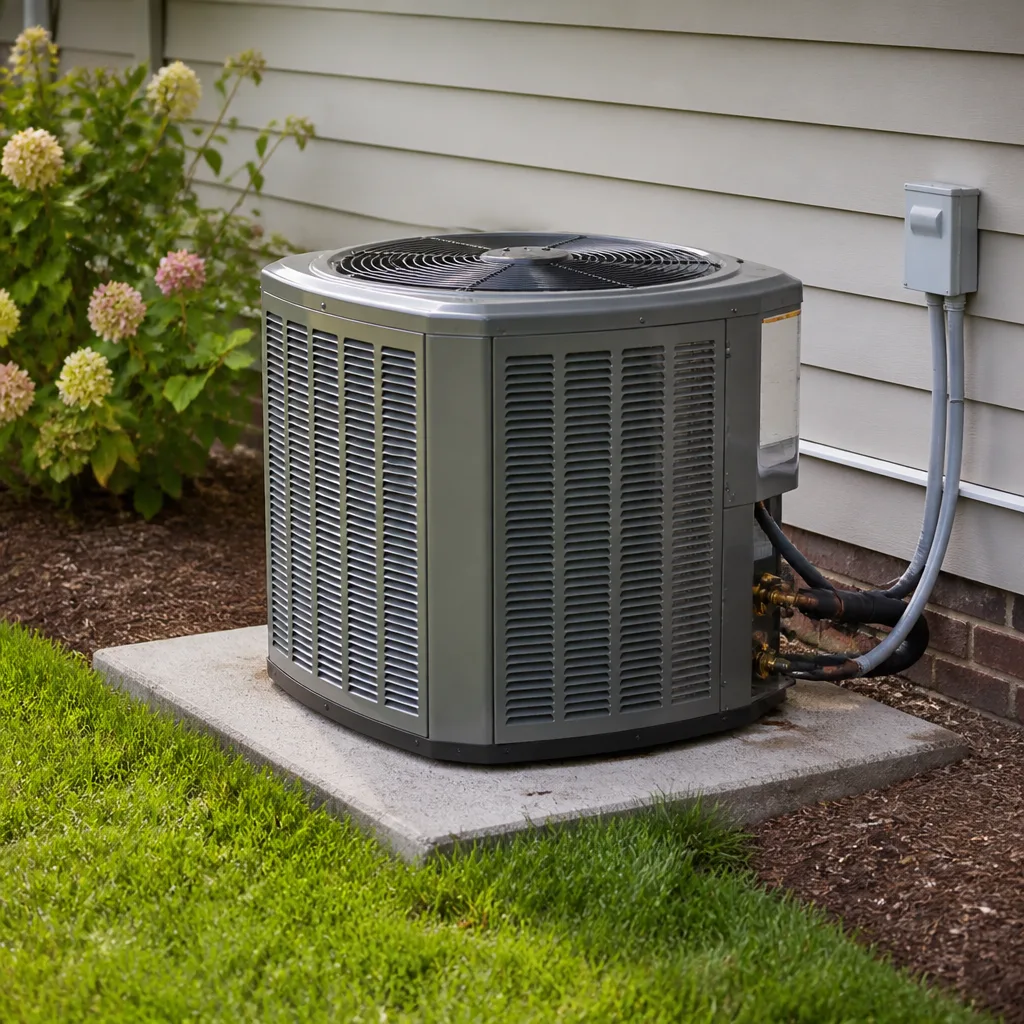
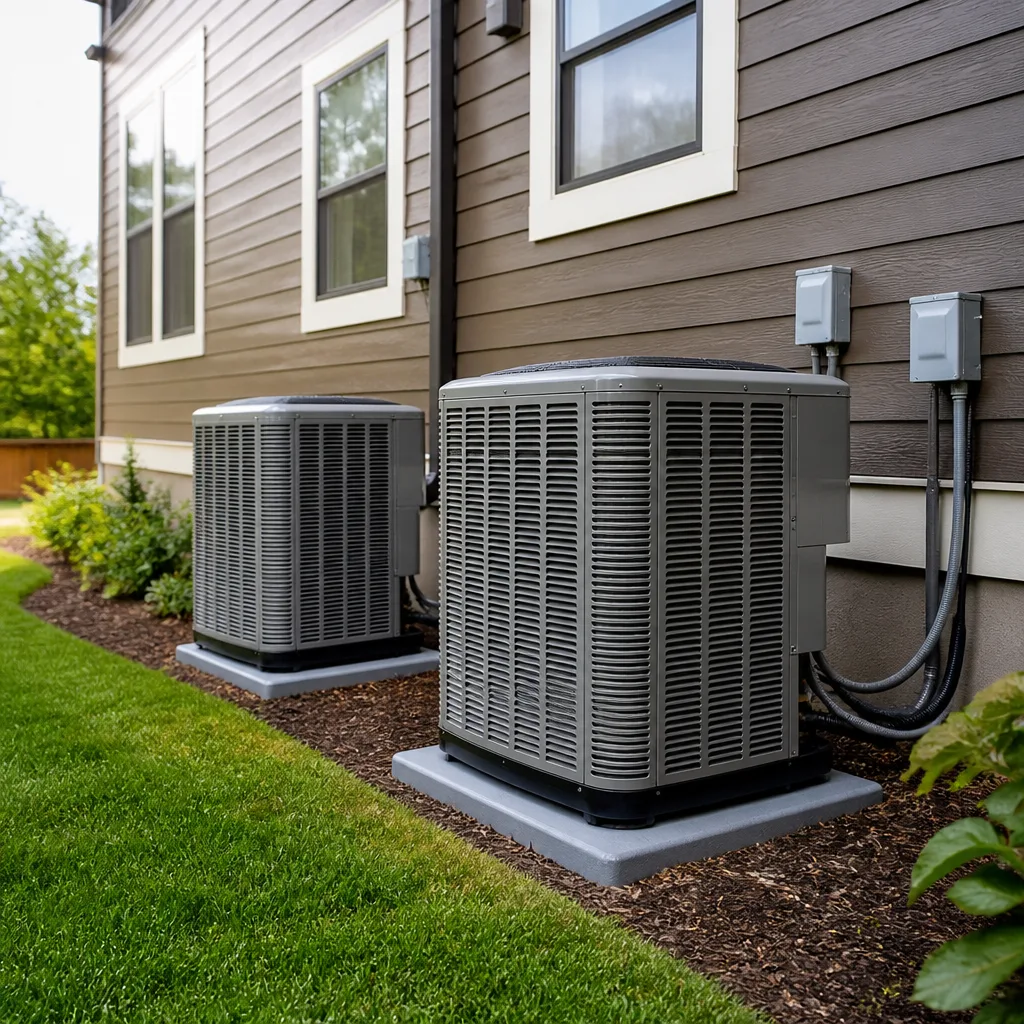
- The outdoor condenser area. The unit needs roughly two feet of clearance on all sides to reject heat. Shrubs growing into the unit, grass clippings stacked on top, a fence panel leaned too close, or a pool of standing water around the base all need to be cleared. Rinse the exterior coil off with a garden hose when it’s visibly dusty (not while the unit is running).
- A scheduled pre-season inspection. Before summer arrives, a technician can check refrigerant charge, capacitor strength, contactor condition, condensate drainage, and blower condition. Those five items account for the large majority of unexpected summer failures. Do the same inspection before winter to prepare the furnace.
Winter-side prep in The Woodlands
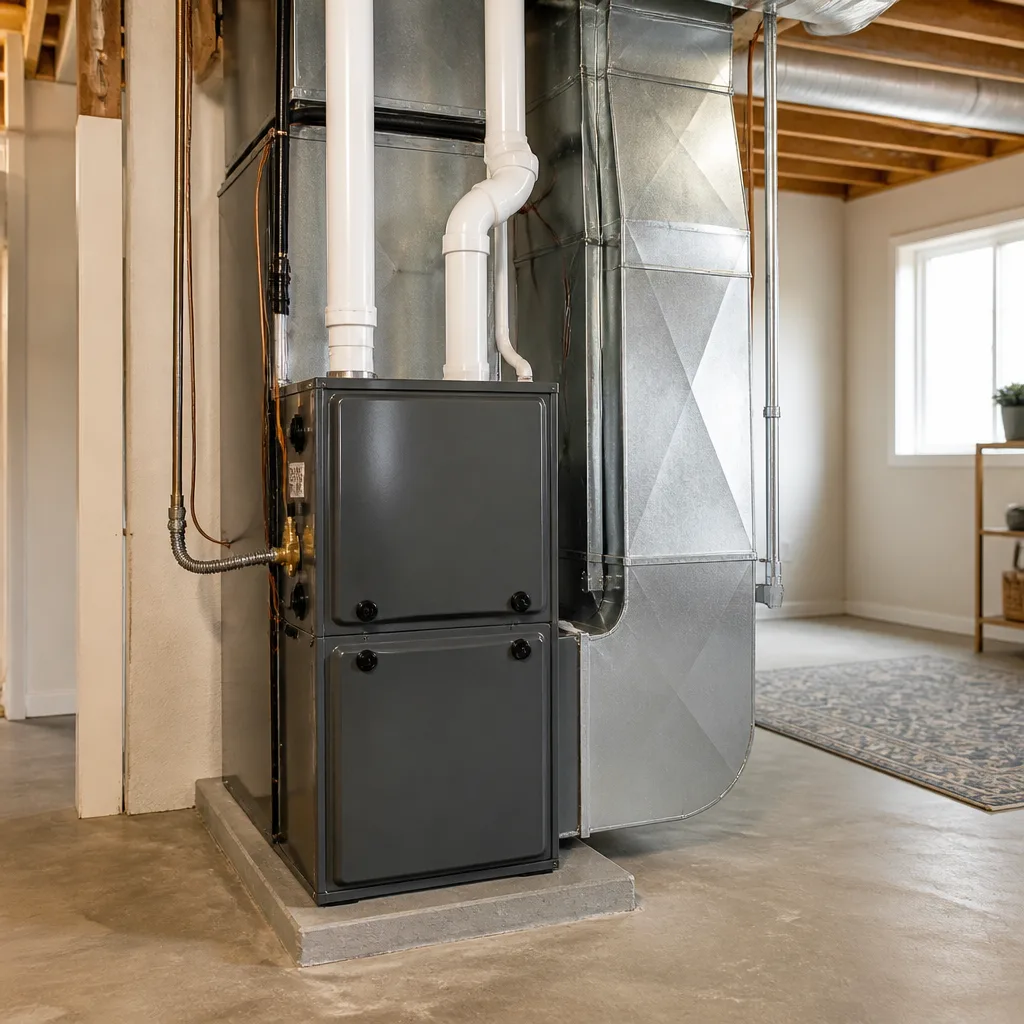
Winter here is mild, which is exactly what makes furnace emergencies easy to ignore until a rare cold snap. Furnace prep is a different checklist than AC prep: check the filter, confirm gas flow and ignition behavior, and listen for unusual noises when the furnace starts. If you don’t test the furnace until the first cold night, the first thing you find out is that it doesn’t work now.
For more on getting a system ready for its season, see our guide to AC installation – including the sizing and load factors that determine whether a new system performs as designed. And for what to expect on a repair call, see AC repair.
Repair or Replace Under Pressure
An emergency is a bad time to make a big purchase. It’s the time when a stressed homeowner is most vulnerable to a sales conversation that pushes a new system before the repair options have been described clearly. Our position is straightforward: we diagnose first, describe what’s wrong, and tell you what the repair involves. If repair is a reasonable choice, it’s on the table. If the system is at the end of its useful life, that conversation is still yours to have, without urgency imposed by anyone else.
What actually tips the decision
- Part availability and lead time. A failed capacitor or contactor is generally a same-visit repair. A seized compressor may mean a multi-day part search, which is worth knowing before you commit.
- System age and history. A 15-year-old system that just blew a compressor has a different decision than a 6-year-old system that did the same.
- Diagnosis confidence. A brand-trained technician recognizes whether a failure is a known issue for your equipment and what the expected repair outcome is.
If you need to lean into what our brand stands for: we’re a repair-first team. We work on your system, not against it. We’re brand-agnostic in diagnosis because we cover nine major brands, so there’s no manufacturer bias pushing one part or one replacement over another.
Common Mistakes to Avoid
- Waiting until the house is at 90°F to call. The Woodlands heat advisory window fills scheduling quickly. If you have vulnerable family members and the system has failed, call early rather than waiting for the problem to worsen.
- Repeatedly resetting a tripping breaker. If the breaker trips more than once, stop. Repeated resets are a fire-safety concern and hide the underlying fault.
- Assuming a dirty filter isn’t the problem. A clogged filter is the single most common cause of “system won’t cool” calls. Check it first; it costs nothing and takes a minute.
- Adding refrigerant without diagnosing a leak. A system that needs refrigerant has lost it somewhere. Topping off without finding the leak creates a repeat cycle every season.
- Buying an undersized window unit as a bridge. A 5,000 BTU unit won’t hold a full living room in a Texas summer. Buy one sized for the room, or it becomes money for a unit that can’t keep up.
- Calling without your system brand and age. A dispatcher who knows your equipment can assign a tech who knows it. Without that detail, the visit costs everyone time.
- Letting a “same-day” visit turn into an unplanned sale. Ask what the diagnosis is and what repair options address it before you discuss replacement. You’re allowed to think about it.
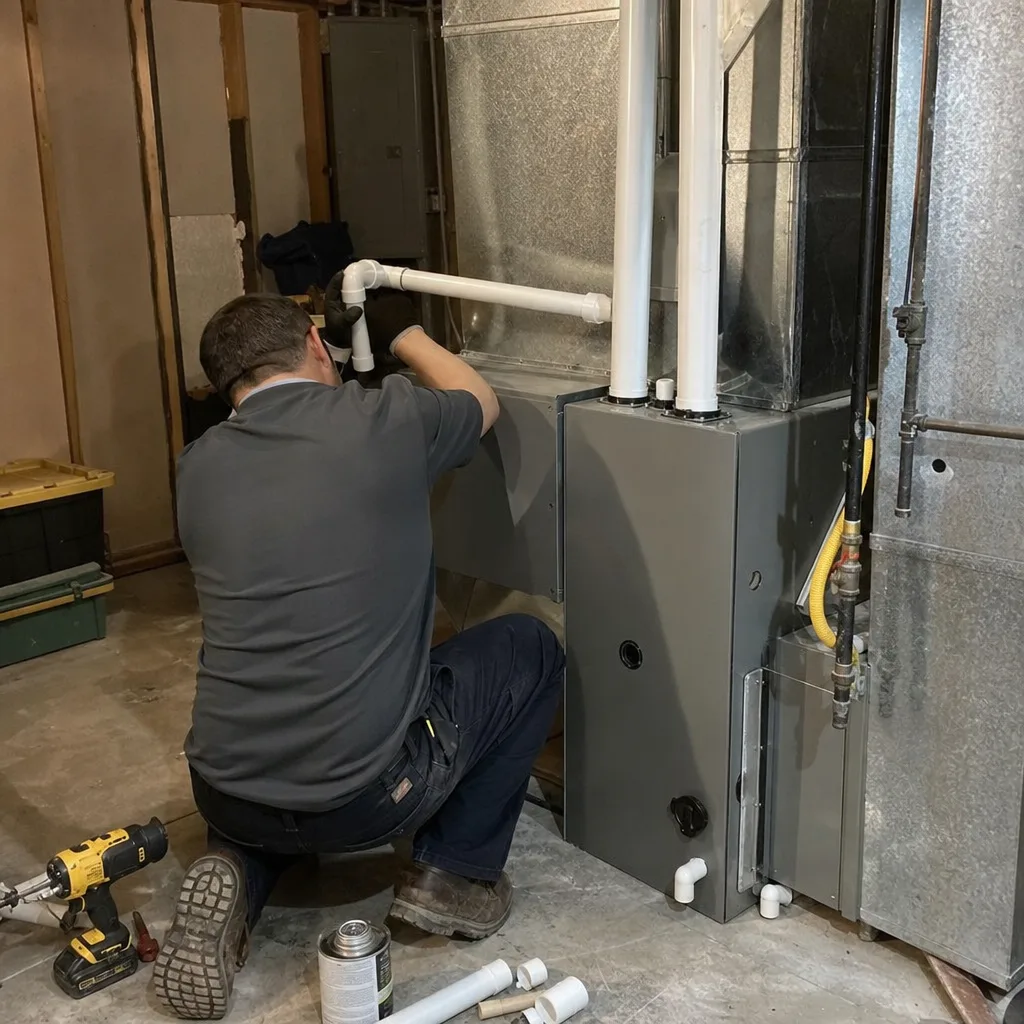
See the difference
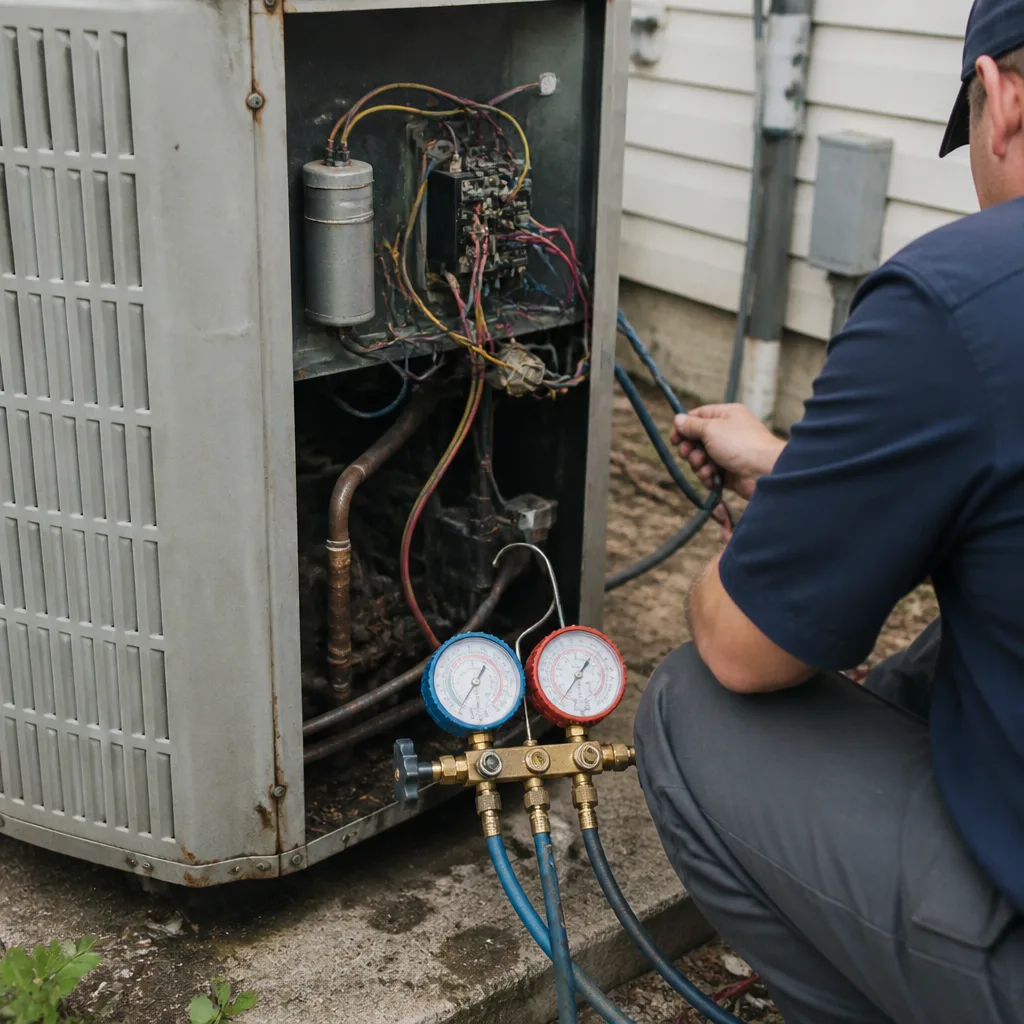 Before
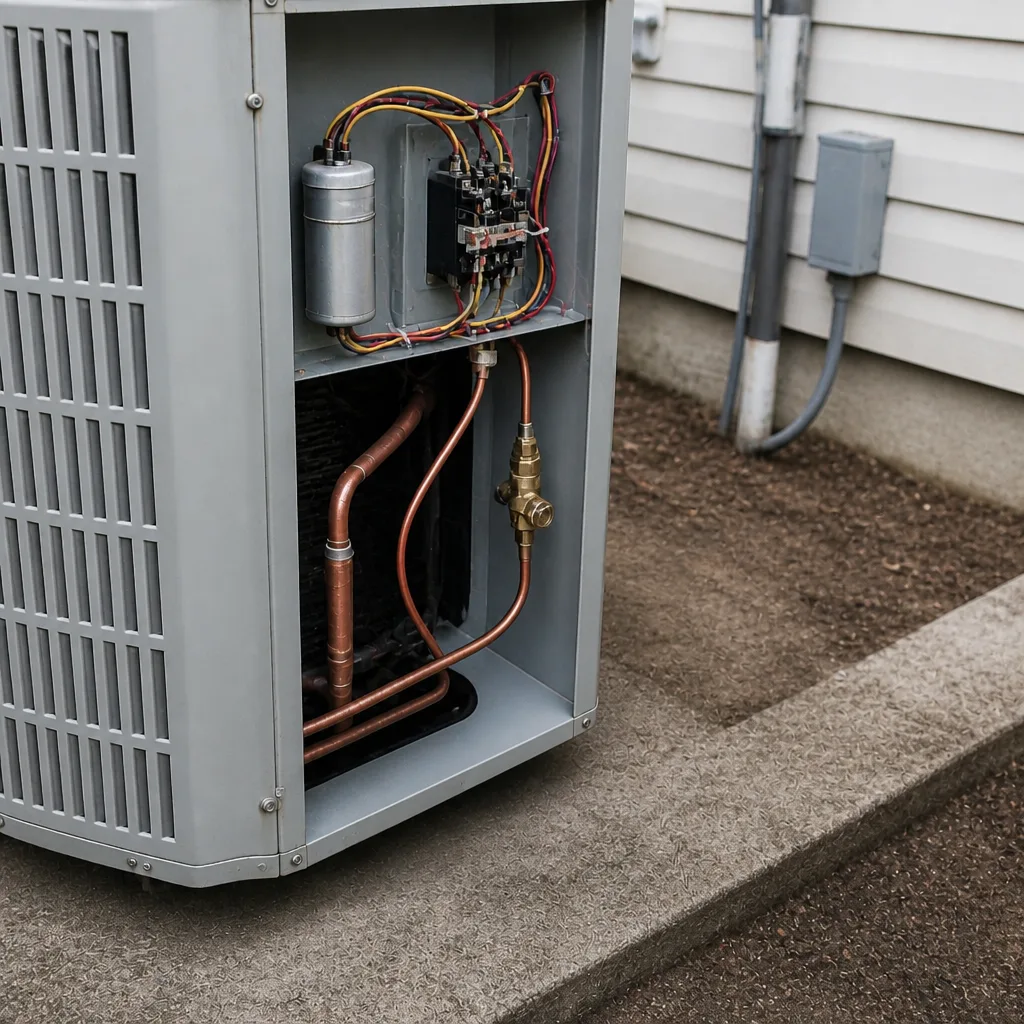 After
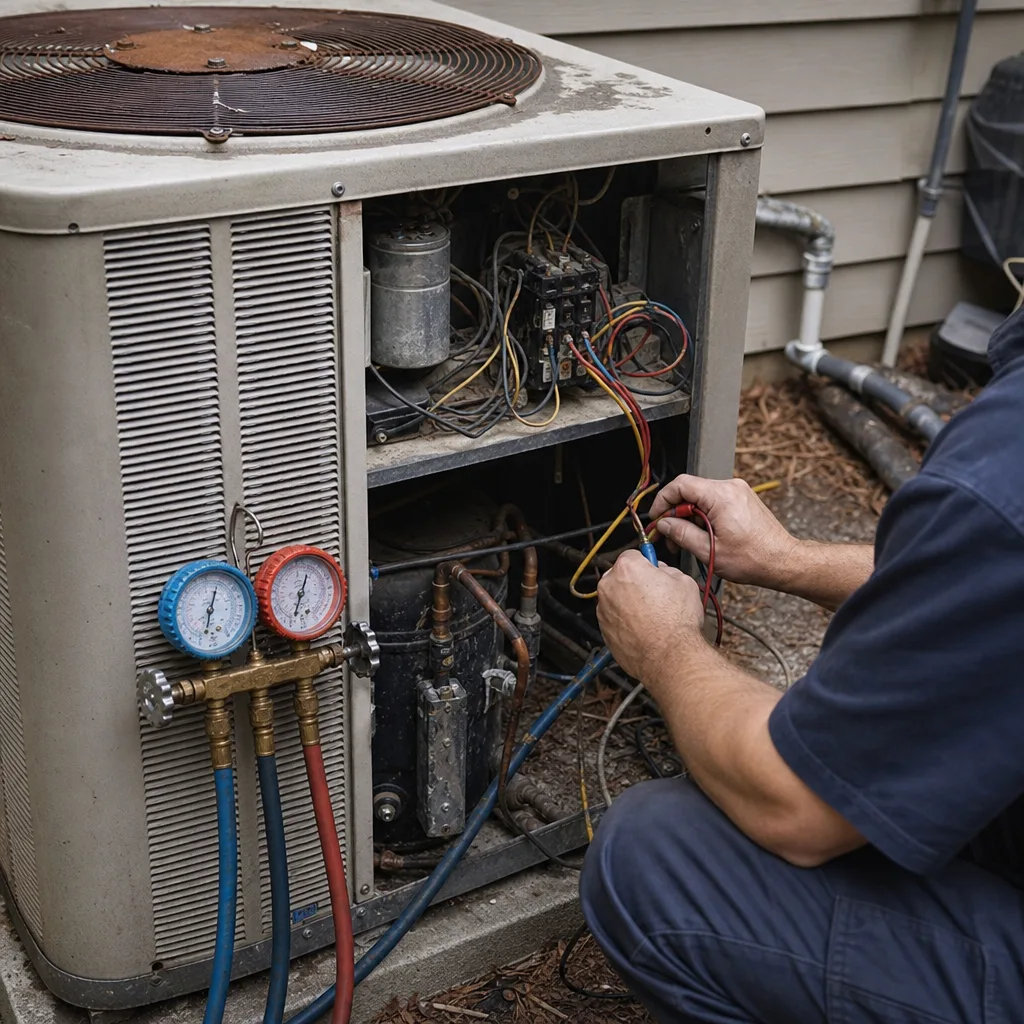 Before
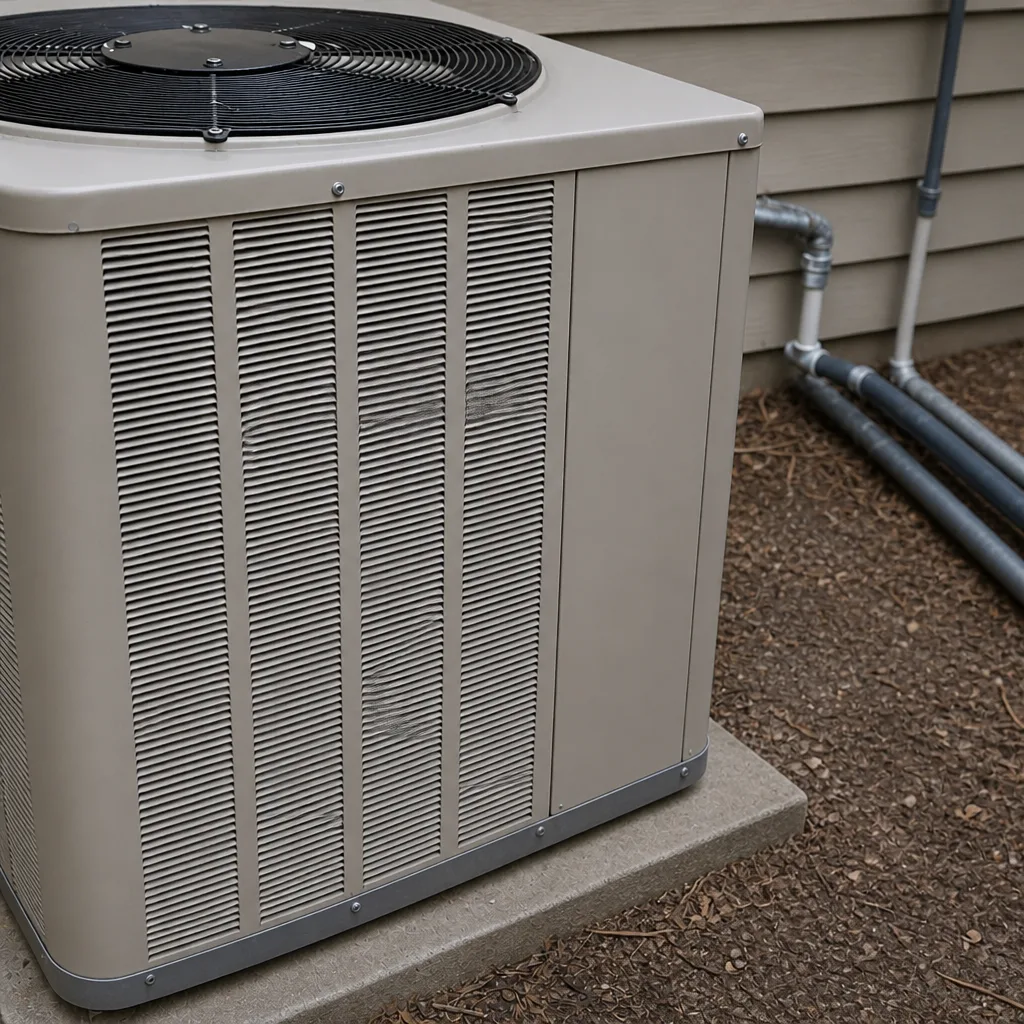 After
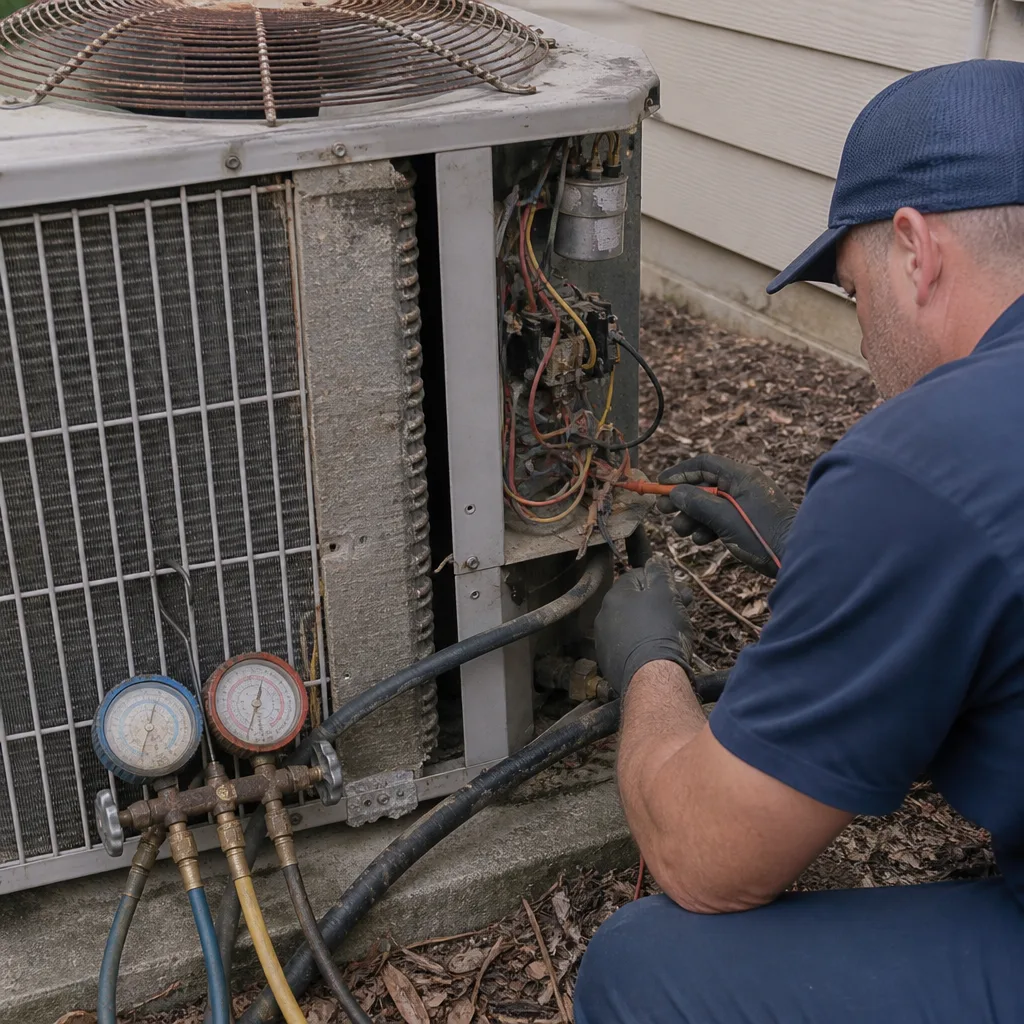 Before
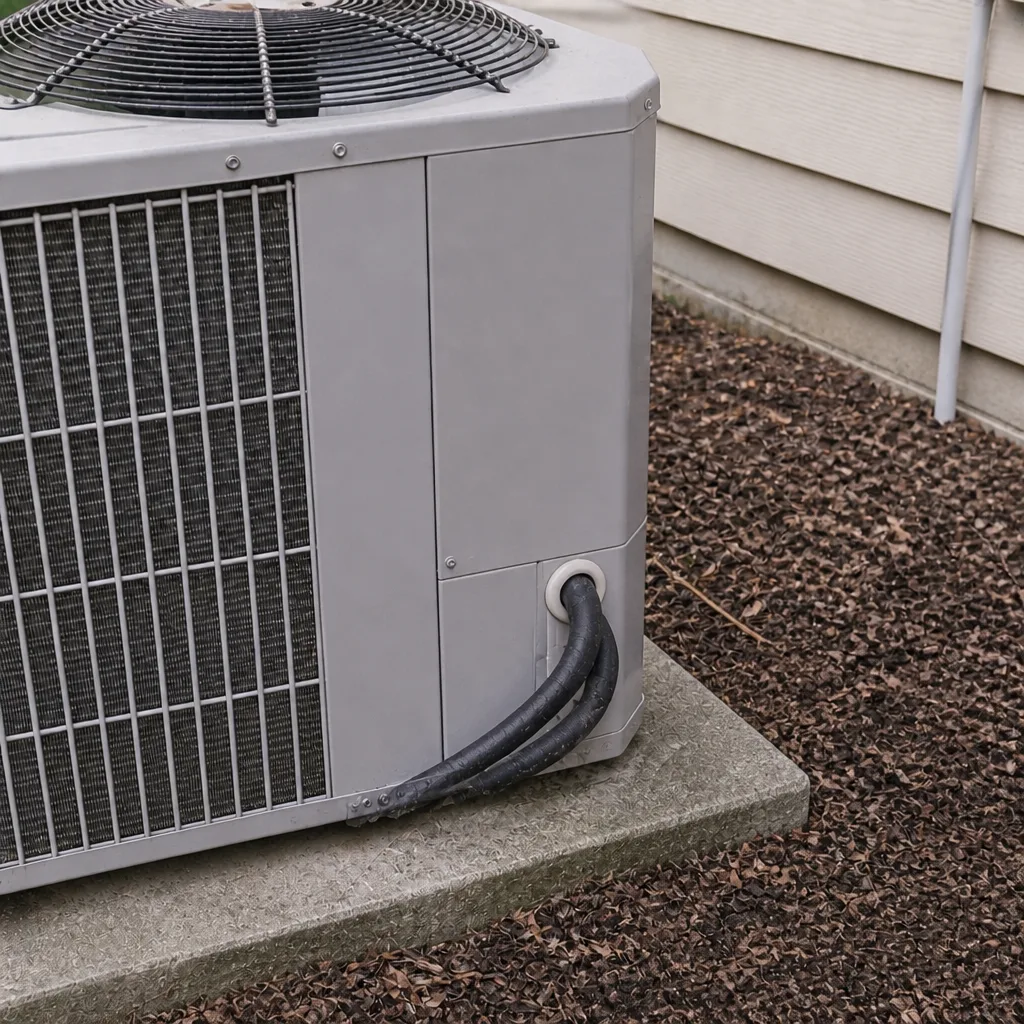 After
When to Call a Professional
Some problems are pre-season prep; others should never be DIY. Call a professional when: the outdoor unit is completely silent; the breaker trips more than once; the system runs but delivers warm air; you hear loud grinding, screeching, or repeated clicking; ice is visible on the refrigerant lines indoors or out; you smell burning or gas; or the indoor temperature is climbing toward the health-risk thresholds above and you have vulnerable residents. Electrical components, refrigerant, gas, and compressor work are not DIY territory. A trained technician has the tools and the experience to find the actual fault, not guess at it. Those calls also carry the highest risk of injury if they go wrong. Wexford AC Repair offers free estimates in The Woodlands – call (866) 834-7590.
Frequently Asked Questions
Check the thermostat is set to cool, check the air filter, and check for a tripped breaker before you call. If the outdoor unit is silent or the breaker trips repeatedly, call for service immediately rather than resetting it again. Call (866) 834-7590. We answer 24/7. Fast dispatch from 7am to 7pm, Sunday through Friday – estimates are free.
It depends on who’s inside. A healthy adult can often manage several hours at 85°F indoors with fans and water, but infants, elderly adults, and pets can reach risk at lower temperatures. If an infant or elderly resident is in the home and indoor temperatures approach the upper 80s, move them to a cooled space such as a Township cooling center while the repair is scheduled.
Give the system’s brand and approximate age, what you’ve observed (fan not spinning, breaker tripped, short-cycling), and whether anyone in the household is medically vulnerable. That information lets us match the technician to the equipment and set priority correctly. Call (866) 834-7590 for a free estimate.
A failed capacitor is a common, relatively fast repair – but it means the system won’t cool, so it becomes an emergency quickly in heat. The technician usually recognizes this in the diagnostic phase. It’s one of the failures we most often resolve in a single visit.
A properly sized window unit can hold one room comfortably through a short repair window. Choose one sized to the room (roughly 300-400 sq ft for an 8,000-10,000 BTU unit; larger rooms need more). Skip evaporative coolers – they add humidity in a climate that’s already humid. For pre-season system checks, see Wexford AC Repair.
You can prevent many of them. Change the air filter monthly during cooling season, keep two feet of clearance around the outdoor unit, and schedule a pre-season inspection to check refrigerant charge, capacitor strength, contactors, and drainage. Those three steps catch the large majority of avoidable summer failures before peak season.
The Bottom Line
An HVAC emergency in The Woodlands is a health event, not just an inconvenience, especially during a heat advisory. The plan is straightforward: know how to read your own system in the first 20 minutes, know the heat thresholds that apply to your household members, know what to tell the dispatcher to get the right technician with the right parts, and prepare your system before the summer peak so this list never has to be used. If today’s the day it fails, call first, cool the family second, and let a trained technician do the diagnostic work. Wexford AC Repair works on Carrier, Trane, Lennox, Goodman, Rheem, York, Daikin, Bryant, and American Standard systems, and our technicians have up to 11 years of experience. Call (866) 834-7590 for a free estimate – we’ll give you a fast diagnosis and an honest answer.
Written by the team at Wexford AC Repair.